 WOWOW Faucets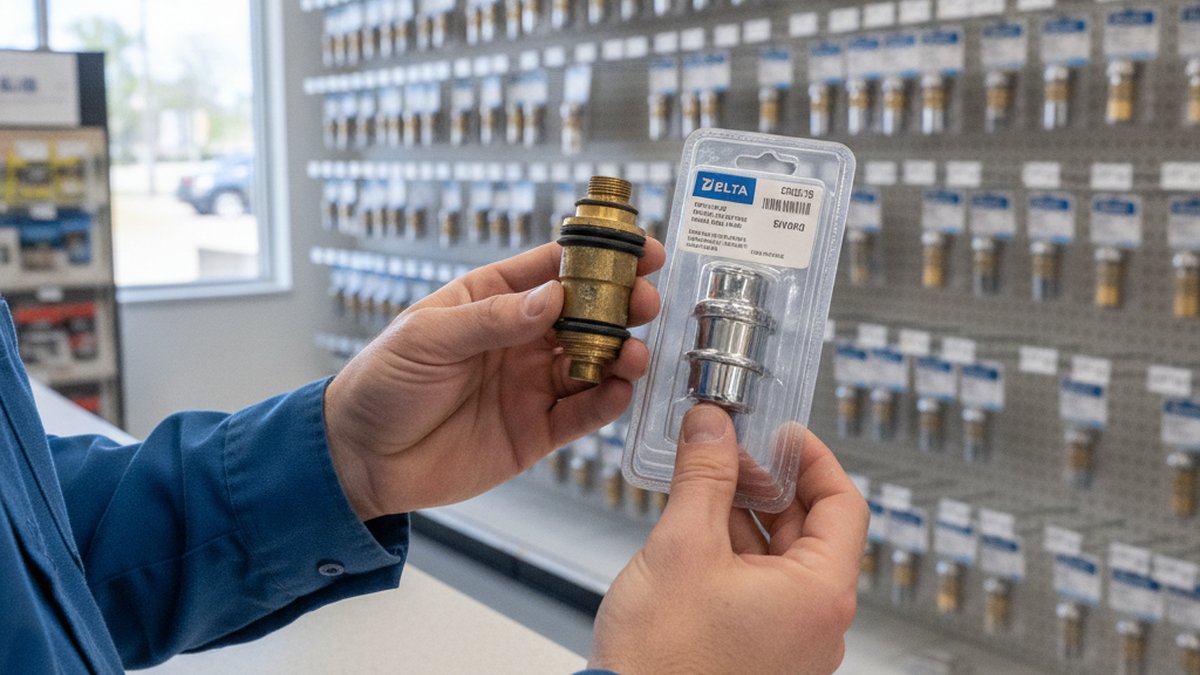
If you searched “delta faucet cartridge replacement nearby,” you’re almost certainly staring at a faucet that drips, spins loose, or gives you scalding-then-freezing water — and you want it fixed today, not next week. The good news: a Delta cartridge is one of the most standardized, most-available faucet parts in America, so you have real options within a few miles no matter where you live. The better news: Delta specifically engineers its cartridges to be homeowner-replaceable, and the warranty often makes the part itself free. Below is exactly where to find the part locally, when to call a pro, and how to do the swap yourself if you’d rather keep the $150–$250 labor charge in your pocket.
Where can I get a Delta faucet cartridge replacement near me today?
You have four realistic local sources, and at least two are open right now within a short drive of most U.S. addresses: big-box home improvement stores (Home Depot, Lowe’s, Menards), independent hardware stores (Ace, True Value, local shops), plumbing supply houses, and Delta’s own free-warranty shipment. The catch is that “nearby” only helps if they carry your exact cartridge model, so the smart move is to identify your part first, then match it to the closest source.
Here’s how each option actually shakes out in practice:
- Home Depot / Lowe’s: They stock the most common Delta cartridges — the 1300/1400 series RP19804 for single-handle shower/tub valves, RP50587 and RP70538 for kitchen faucets, and the RP47201 seat-and-spring kits. If you have a mainstream Delta, this is your one-stop trip. Bring the old cartridge to match it.
- Independent hardware (Ace/True Value): Smaller selection but the staff usually know faucets cold. Great for seats, springs, O-rings, and the common shower cartridge.
- Plumbing supply house: The pros’ source. If you have an older or unusual Delta (single-lever ball-type from the ’80s–’90s, or a specialty finish trim), this is where you’ll find it. Call ahead.
- Delta Faucet directly: Not “nearby” in miles, but often the cheapest — Delta ships warranty cartridges free to the original owner. If your drip isn’t an emergency, this beats paying retail.
How do I know which Delta cartridge I actually need before I drive anywhere?
Match by faucet type and model number, not by guessing — the wrong cartridge is the #1 reason people make two trips. Delta uses a handful of cartridge families, and identifying yours takes about five minutes. The single most reliable method is to shut off the water, pull the old cartridge, and physically match it at the store; the second-best is to find your faucet’s model number.
Delta cartridges fall into a few big buckets:
| Faucet Type | Common Delta Cartridge | Typical Symptom It Fixes | Approx. Part Cost |
|---|---|---|---|
| Single-handle shower/tub (1300/1400 series) | RP19804 (MultiChoice) | Drip, no hot/cold, temperature won’t hold | $25–$45 |
| Single-handle kitchen (diamond seal) | RP50587 / RP70538 | Base leak, stiff handle, low flow | $30–$60 |
| Two-handle faucet (ceramic stem) | RP4993 / RP1740 stem units | Drip at spout, handle leak | $15–$30 each |
| Older single-lever “ball” faucet | RP212 ball + RP4993 seats/springs | Spout drip, swivel leak | $15–$35 |
To find your model number, look under the faucet base, on the escutcheon (the trim plate), or on the original paperwork. Kitchen and bathroom faucets often have a tiny tag or engraving on the underside of the spout or on the supply lines. If your faucet is a shower valve buried in the wall, the trim style and the words “MultiChoice” (Delta’s universal valve body since 2006) tell you it takes the RP19804. Still stuck? Delta’s website has a “Find Your Product” tool where you match by photo. If you want a plain-language primer on what this part even does before you shop, our guide on what the cartridge on a kitchen faucet is and why it matters breaks it down without jargon.
Is it cheaper to replace a Delta cartridge myself or hire someone nearby?
DIY is dramatically cheaper — you’ll spend $15–$60 on the part and 30–45 minutes of your time, versus $150–$350 for a plumber who charges a service-call fee plus labor and often marks up the same part. For a straightforward single-handle Delta, the math almost always favors doing it yourself, because Delta designed these to come apart with simple tools.
Here’s a realistic cost comparison for a common single-handle repair:
| Route | Part Cost | Labor | Total | Time to Fixed |
|---|---|---|---|---|
| DIY with store-bought cartridge | $25–$45 | $0 | $25–$45 | Same day, ~45 min |
| DIY with free Delta warranty part | $0 | $0 | $0 | 3–7 days (shipping) |
| Handyman installs your part | $25–$45 | $80–$150 | $105–$195 | 1–3 days |
| Licensed plumber, part included | marked up | $150–$300 | $180–$350 | 1–5 days |
When is hiring worth it? If your shower valve is corroded solid, if the old cartridge won’t budge and you’re worried about cracking a 20-year-old valve body inside a tiled wall, or if you simply don’t want to shut off the house water — those are legitimate reasons to pay a pro. But if the faucet handle comes off with an Allen wrench and the cartridge is accessible, this is genuinely a beginner-friendly repair. If your problem is actually a leaking valve body rather than the cartridge, read our companion piece on finding faucet valve replacement nearby so you don’t buy the wrong part.
How do you replace a Delta single-handle cartridge step by step?
You can do a Delta single-handle cartridge replacement in about 30–45 minutes with an Allen wrench, adjustable pliers, and possibly Delta’s plastic removal tool (included with MultiChoice cartridges). The core sequence is always the same: shut off water, remove the handle, pull the old cartridge, drop in the new one, reassemble, and test. Here’s the full walkthrough.
- Shut off the water. For a kitchen or bathroom sink faucet, turn the shutoff valves under the sink clockwise. For a shower, use the in-wall stops behind the trim plate if present, or shut off the house main. Open the faucet to release pressure.
- Plug the drain. A dropped screw or clip loves the drain. Cover it with a rag or stopper.
- Remove the handle. Most Delta handles have a small set screw under a cap or at the base — loosen it with a hex/Allen key and lift the handle straight off.
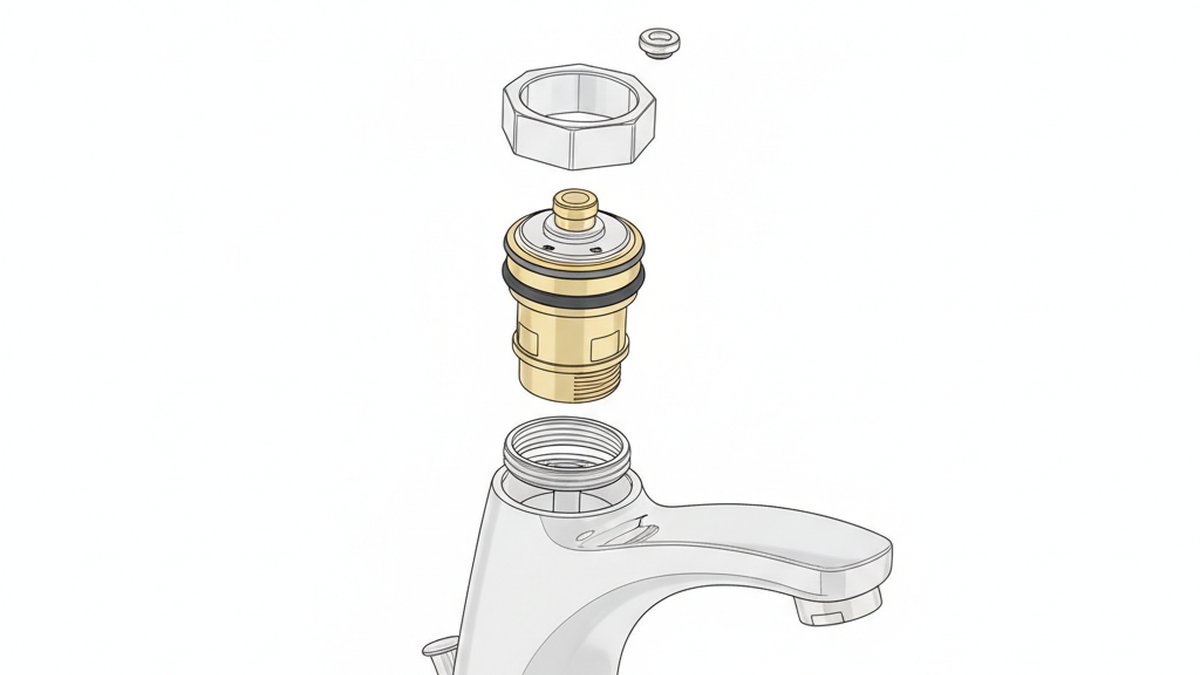
- Remove the bonnet or retaining nut/clip. On shower valves, unscrew the bonnet nut and pull the U-shaped retaining clip with needle-nose pliers. On kitchen/bath faucets, unthread the cap.
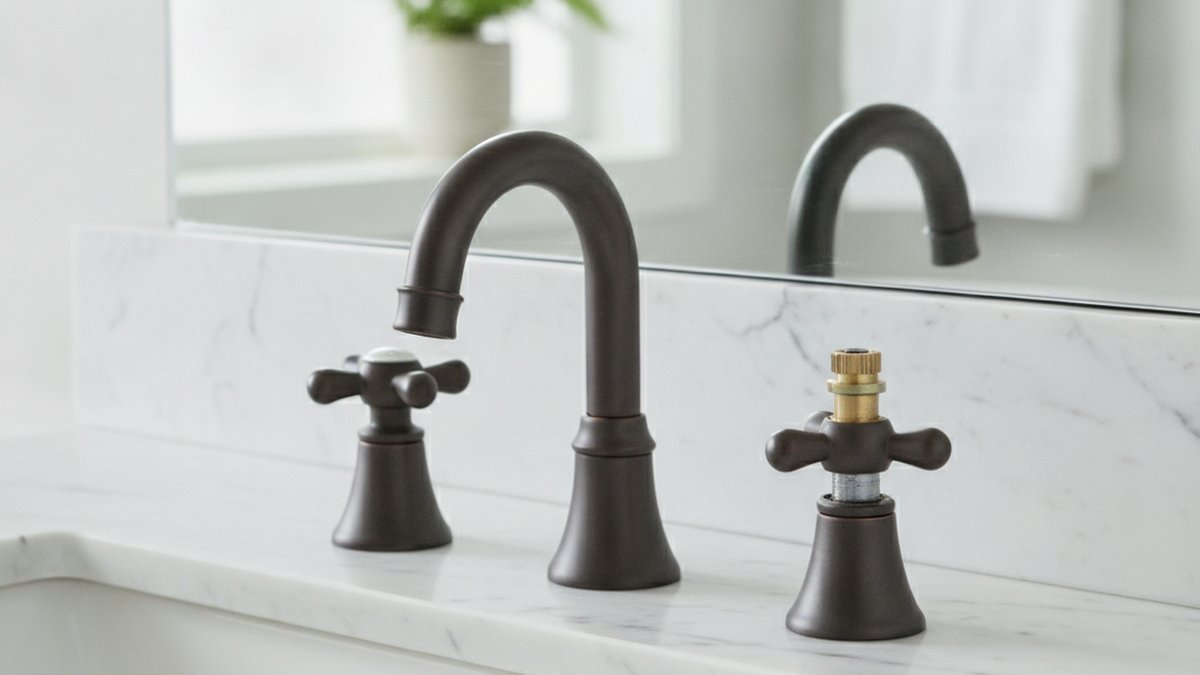
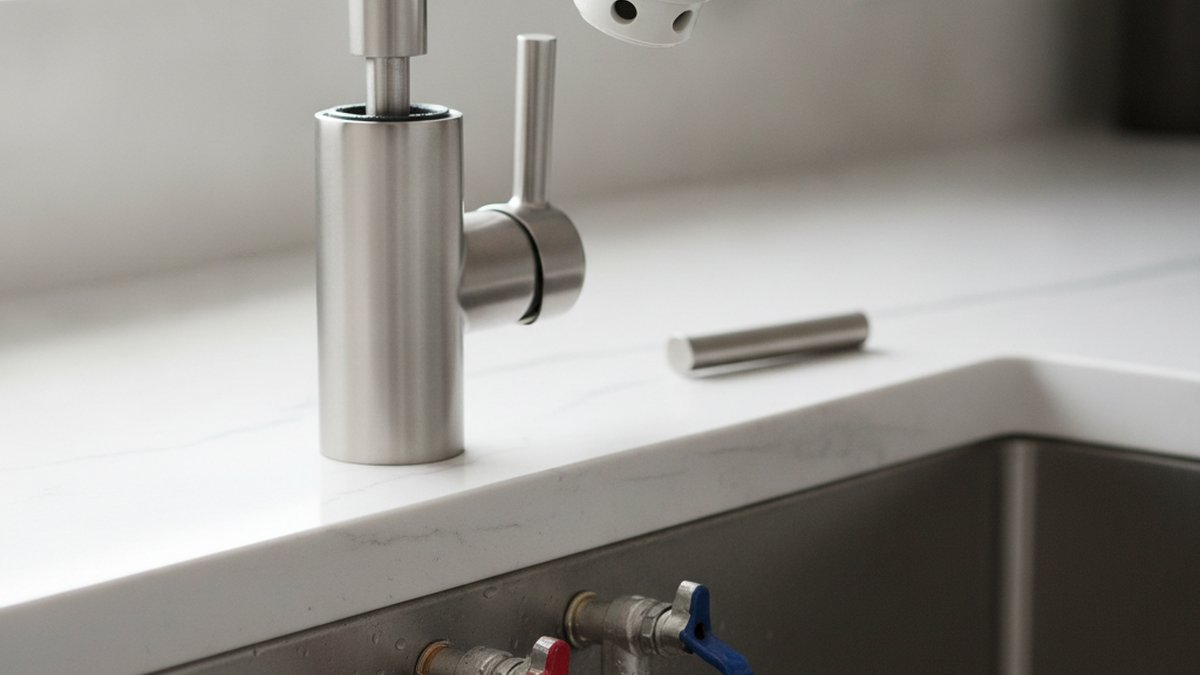
- Pull the old cartridge straight up. Note its orientation — there’s usually a tab or flat that must line up. Wiggle, don’t crank sideways, so you don’t crack the valve body. Stubborn ones respond to Delta’s removal tool or a gentle twist with pliers.
- Seat the new cartridge. Line up the same tab/keyway, push it down fully. Lightly coat O-rings with plumber’s (silicone) grease first — this prevents leaks and future sticking.
- Reassemble in reverse. Clip, nut, handle, set screw. Snug, not gorilla-tight.
- Turn water back on slowly and test. Check for drips at the handle and spout, and confirm hot is hot and cold is cold. On MultiChoice valves you can rotate the cartridge 180° if hot/cold end up reversed.
That’s it. For a fully illustrated, model-specific version of this exact process, follow our detailed Delta faucet cartridge replacement on a single-handle faucet guide, and for the general technique that applies to any brand, see how to replace a faucet cartridge step by step.
Why is my Delta faucet still dripping after I replaced the cartridge?
If a fresh cartridge didn’t stop the drip, the usual culprits are worn seats and springs, a debris-clogged cartridge, or the cartridge not seated all the way — not a defective new part. On single-handle Delta faucets, tiny rubber seats backed by conical springs sit beneath the cartridge, and a new cartridge pressed onto worn seats will still weep.
Run through this quick diagnostic:
- Replace the seats and springs too. The RP4993 (or RP47201) seat-and-spring kit costs a few dollars and is the fix most people miss. Springs go in narrow-end-down into the valve body, rubber seat on top.
- Flush the lines. Grit from your water heater or municipal supply can lodge in the cartridge. Before final assembly, briefly turn the water on with the cartridge out (aim a cup over the opening) to blow out debris.
- Confirm full seating. If the cartridge tab isn’t fully aligned and pushed down, water bypasses the seals. Pull it, check the keyway, reinsert.
- Check the O-rings. A pinched or dry O-ring on the cartridge body causes handle-base leaks. Grease and reseat.
If you’ve done all of the above and it still leaks, the valve body itself may be pitted or cracked — that’s when a nearby plumber earns their fee, because replacing an in-wall valve body is genuinely more involved than swapping a cartridge.
How long does a Delta cartridge last, and can I upgrade my whole faucet instead?
A quality Delta cartridge typically lasts 5–10 years, and in hard-water areas or high-use kitchens it may need swapping sooner — mineral scale is the main enemy. If your faucet is 15+ years old, corroded, or you’ve already replaced the cartridge once or twice, it’s often smarter to replace the entire faucet than to keep chasing repairs.
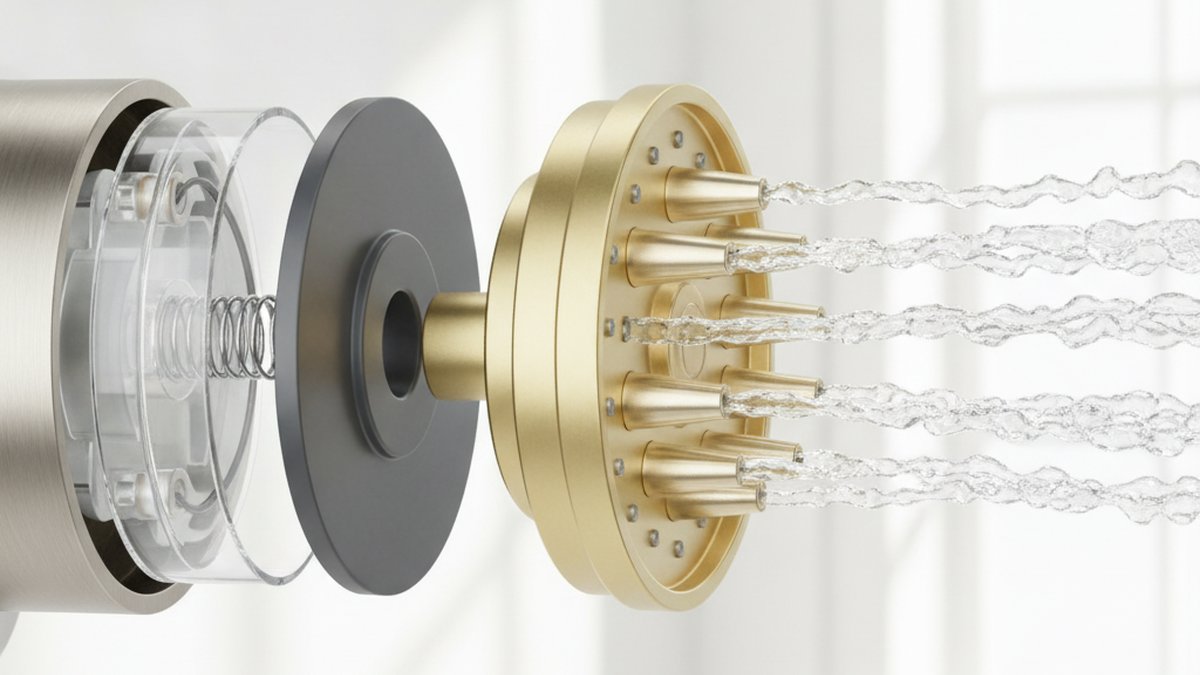
A few honest signals that it’s upgrade time rather than repair time: the finish is flaking, the spout swivel is sloppy, replacement parts for your model are discontinued, or you’re simply tired of the look. A modern faucet installs in about an hour and comes with its own fresh warranty and modern ceramic-disc cartridge that resists hard-water wear far better than older designs. If you’re weighing that, our step-by-step guide to replacing a bathroom faucet walks through a full swap so you can decide whether a repair or a replacement makes more sense for your situation. WOWOW faucets ship with ceramic-disc cartridges tested to industry cycle standards, which is exactly the kind of long-life valve that turns a recurring drip into a one-and-done fix.
What tools and parts should I have on hand before I start?
Have five things ready and you’ll never make a mid-repair store run: the correct cartridge, an Allen/hex wrench set, adjustable pliers or channel-locks, plumber’s silicone grease, and a rag. For shower valves, add needle-nose pliers for the retaining clip and, ideally, Delta’s plastic cartridge removal tool.
- Correct Delta cartridge (matched by model — see the table above)
- Seat-and-spring kit (cheap insurance against a lingering drip)
- Allen/hex wrench set for the handle set screw
- Adjustable pliers for the bonnet/retaining nut
- Silicone plumber’s grease for O-rings — never petroleum-based, which degrades rubber
- Old towel and a small bucket for residual water
Total outlay if you’re buying tools from scratch is maybe $30–$50, and you’ll reuse them for every future faucet repair in the house.
FAQ
Does Home Depot or Lowe’s carry Delta faucet cartridges?
Yes. Both big-box chains stock the most common Delta cartridges — especially the RP19804 MultiChoice shower cartridge and popular kitchen cartridges like the RP50587 — usually in the plumbing-repair aisle. Bring your old cartridge to match it exactly, since Delta makes several similar-looking families. For older or specialty models, a plumbing supply house is a better bet.
Are Delta faucet cartridges covered under warranty?
Most Delta faucets carry a Limited Lifetime Warranty to the original consumer that covers replacement parts, including cartridges, at no charge. If your drip isn’t an emergency, contacting Delta for a free warranty cartridge is often cheaper than buying one locally — you just trade a few days of shipping time for a $0 part.
How long does it take to replace a Delta cartridge?
For a single-handle faucet where the parts aren’t corroded, plan on 30–45 minutes including cleanup. A first-timer might take an hour. The two things that stretch it out are a stuck old cartridge and hunting for the water shutoff — locate your shutoff valves before you start.
Can I use a universal cartridge instead of a genuine Delta part?
Aftermarket “compatible” cartridges exist and can work, but fit and longevity vary. For a repair you don’t want to redo, a genuine Delta cartridge (or a quality OEM-spec ceramic-disc unit) is the safer choice — it matches the keyway and tolerances your valve body was designed around, which prevents leaks and hard-turning handles.
Do I need to shut off the whole house to replace a faucet cartridge?
Usually no. Sink faucets have local shutoff valves under the cabinet; turn those and you’re set. Shower valves may have in-wall stops behind the trim plate — if yours doesn’t, then you’ll need to shut off the house main briefly. Always open the faucet afterward to relieve pressure before you disassemble anything.
What’s the difference between the cartridge and the valve?
The cartridge is the removable insert that controls water flow and temperature; the valve body is the fixed housing (often inside the wall) that the cartridge sits in. Cartridges are wear items you swap periodically. A valve body rarely needs replacement unless it’s cracked or corroded — that’s a bigger job, and the point at which calling a nearby plumber makes sense.
A note on expertise and standards
Author note: This guide was written by WOWOW’s product and repair content team, drawing on hands-on faucet installation and cartridge-replacement experience across kitchen, bath, and shower fixtures. We handle these exact repairs on real fixtures, not just spec sheets. About WOWOW: WOWOW is a dedicated faucet and bathroom-fixtures brand engineering kitchen faucets, bathroom faucets, shower systems, and accessories with ceramic-disc cartridges built and tested to industry cycle-life and low-lead standards, and backed by warranty support. When we recommend a repair-versus-replace path, it’s based on how these valves actually wear in the field — including in hard-water homes where cartridge life is shortest.
Hello!Please sign in