 WOWOW Faucets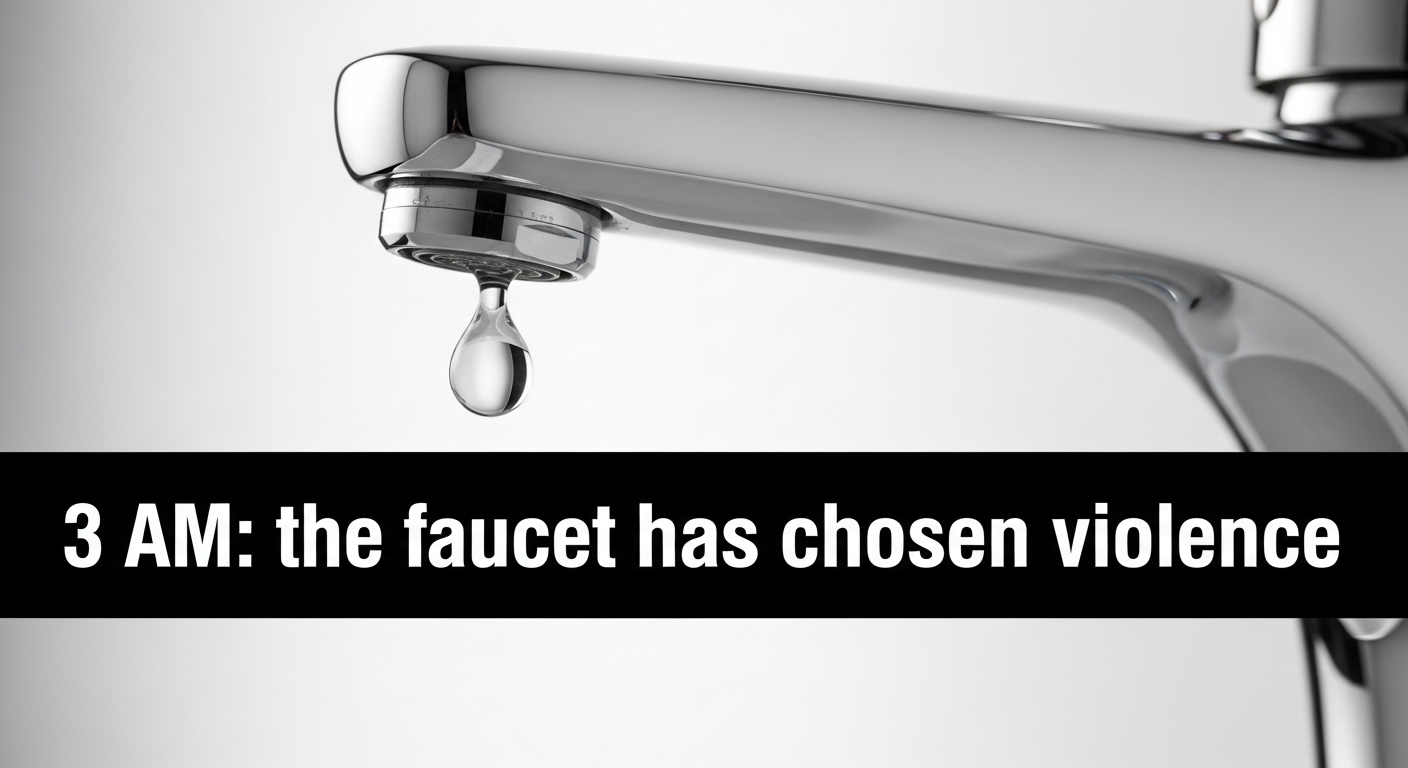
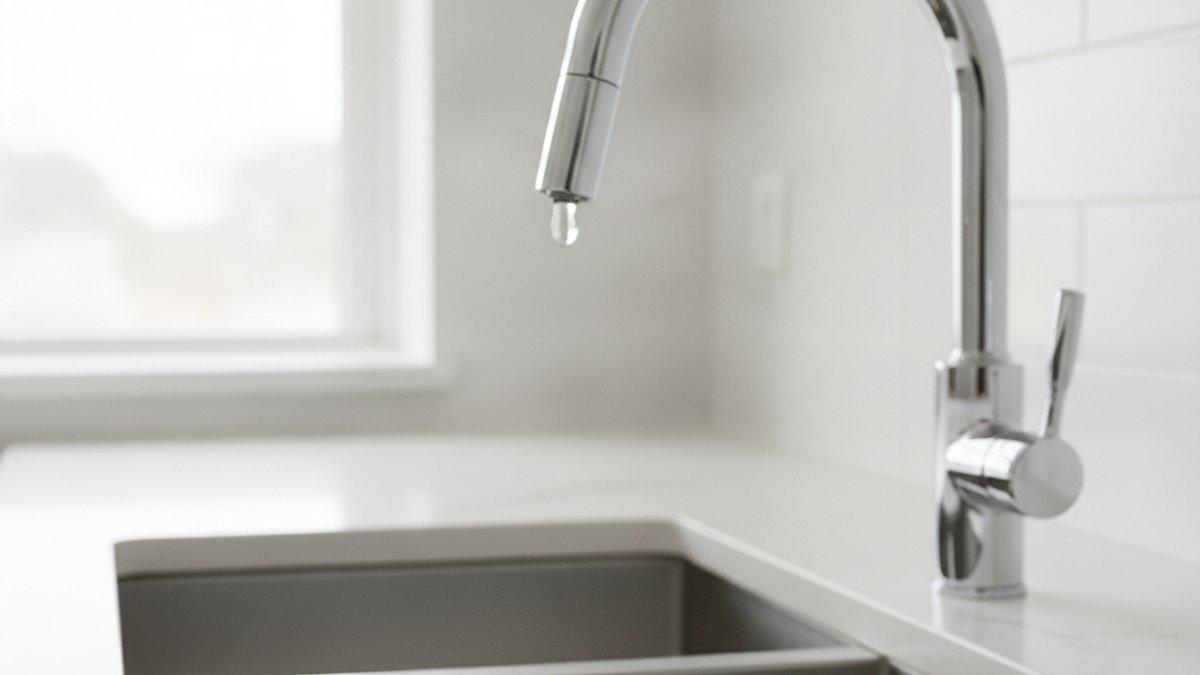
If you’ve ever laughed at a dripping faucet meme at 2 a.m. while lying awake to the actual sound of a dripping faucet, you already understand the joke: it’s funny because it’s true. That steady plink is one of the most universally relatable annoyances on the internet — half the memes are about insomnia, the other half about a partner who “will fix it this weekend” for the third weekend in a row. But behind the joke is a genuinely easy repair and a real cost: a faucet dripping once per second wastes roughly 3,000 gallons a year, enough for about 180 showers, quietly padding your water bill. So let’s turn the meme into a fix.
Why does a dripping faucet feel like actual torture — is that just a meme?
It’s not just a meme — there’s real psychology behind it. A dripping faucet is loud enough to notice but too quiet to drown out, and it’s irregular enough that your brain keeps predicting the next drip and staying alert for it. That “waiting for the other shoe to drop” pattern is exactly what keeps you from falling asleep, which is why the dripping faucet meme resonates so hard. Historically, dripping water was even used as a form of sleep deprivation because the sound is impossible to habituate to.
So the annoyance is legitimate. The good news is that the sound is your faucet telling you a specific, fixable thing has worn out inside it. Memes aside, a drip is never random — water is escaping past a seal that used to hold. Find the seal, replace it, and both the noise and the waste stop.
What actually causes a faucet to drip from the spout?
A drip from the spout almost always means an internal seal has failed — most commonly a worn cartridge, a flattened rubber washer, or a cracked O-ring. Water pressure is constant, so the moment that seal stops sealing, water sneaks past and out the end of the spout. Which part failed depends on what type of faucet you have.
Here’s the quick diagnostic most plumbers run through:
- Drip only when the handle is “off”: the cartridge or washer that shuts off flow has worn — the most common cause by far.
- Leak around the base of the spout or handle: usually an O-ring, not a washer.
- Squealing or stiff handle plus a drip: mineral buildup and a corroded stem or seat.
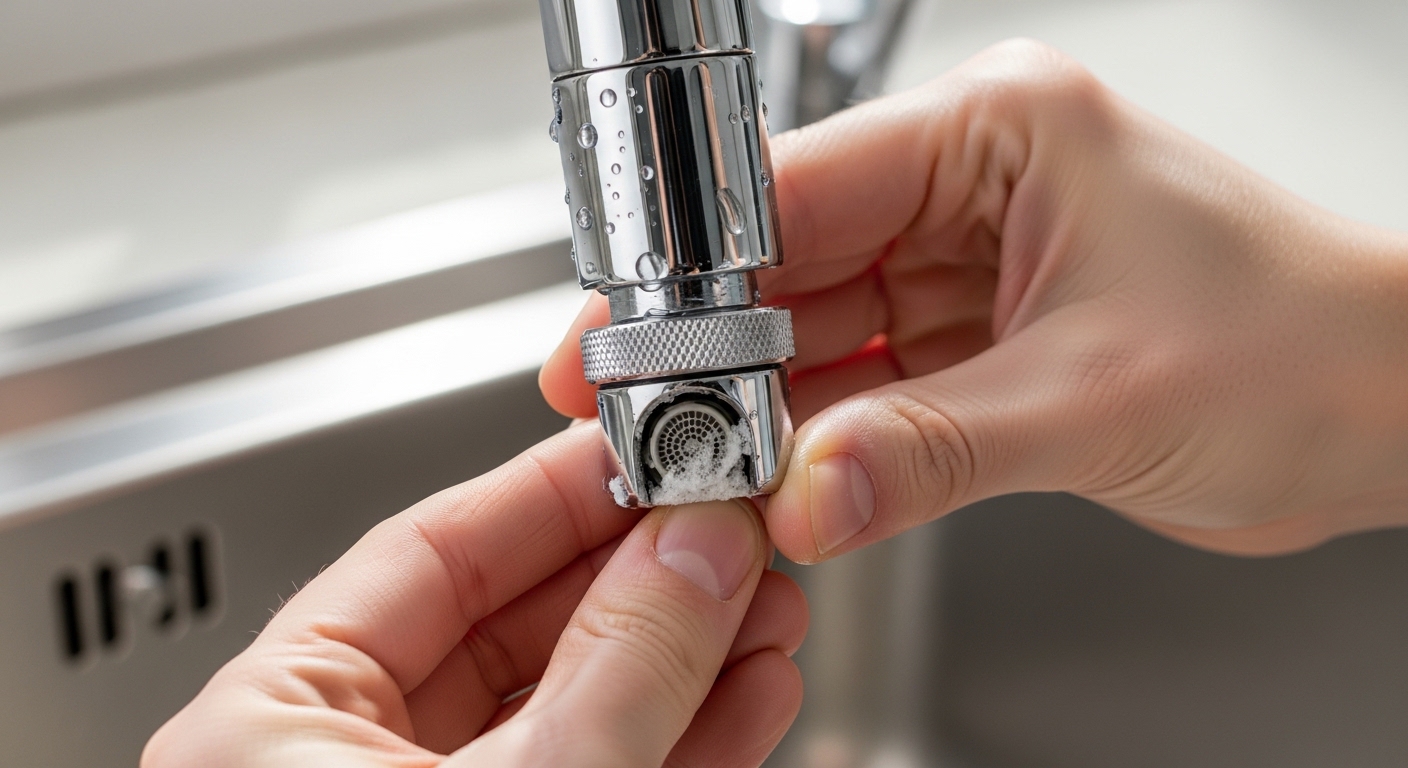
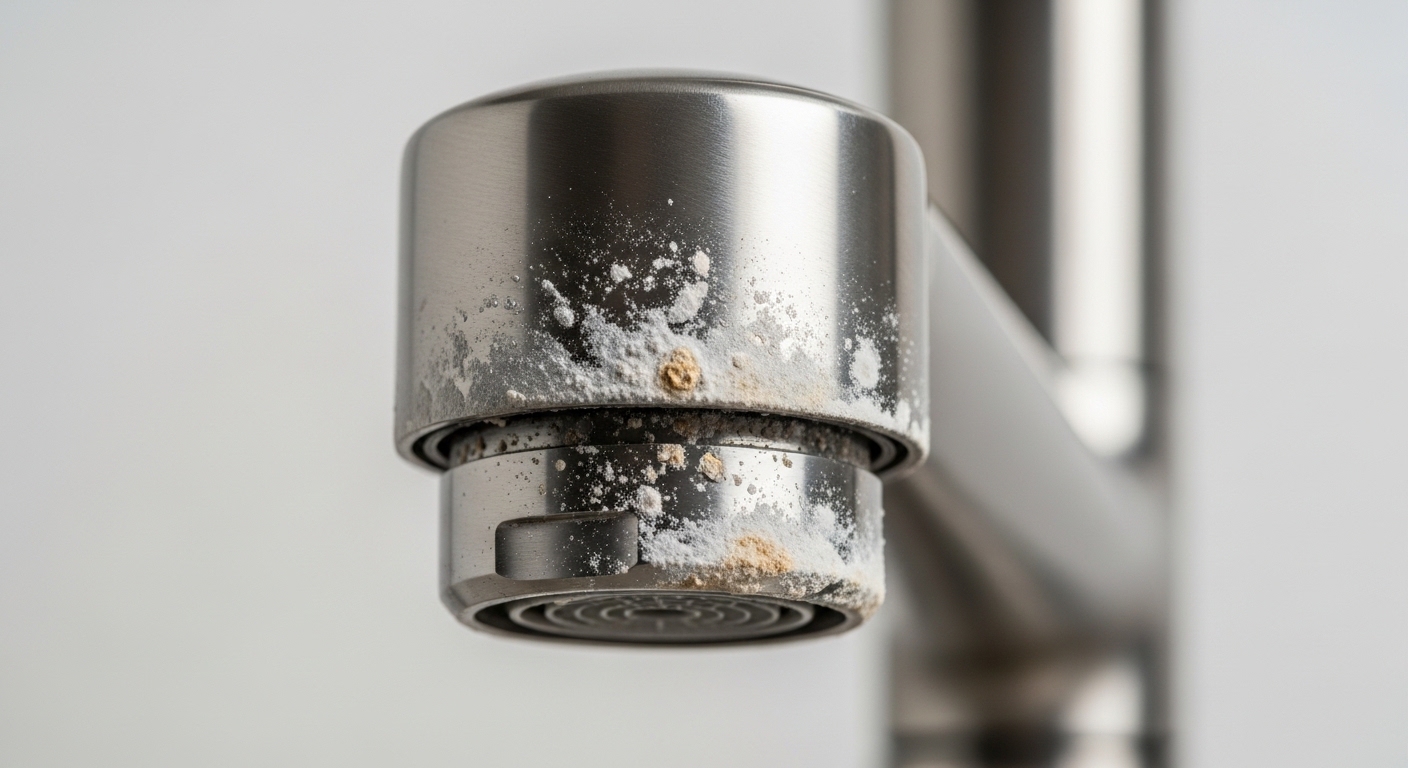
- Drip that got worse after cleaning or hard-water use: sediment scratched the seat or seals; hard water is a huge culprit.
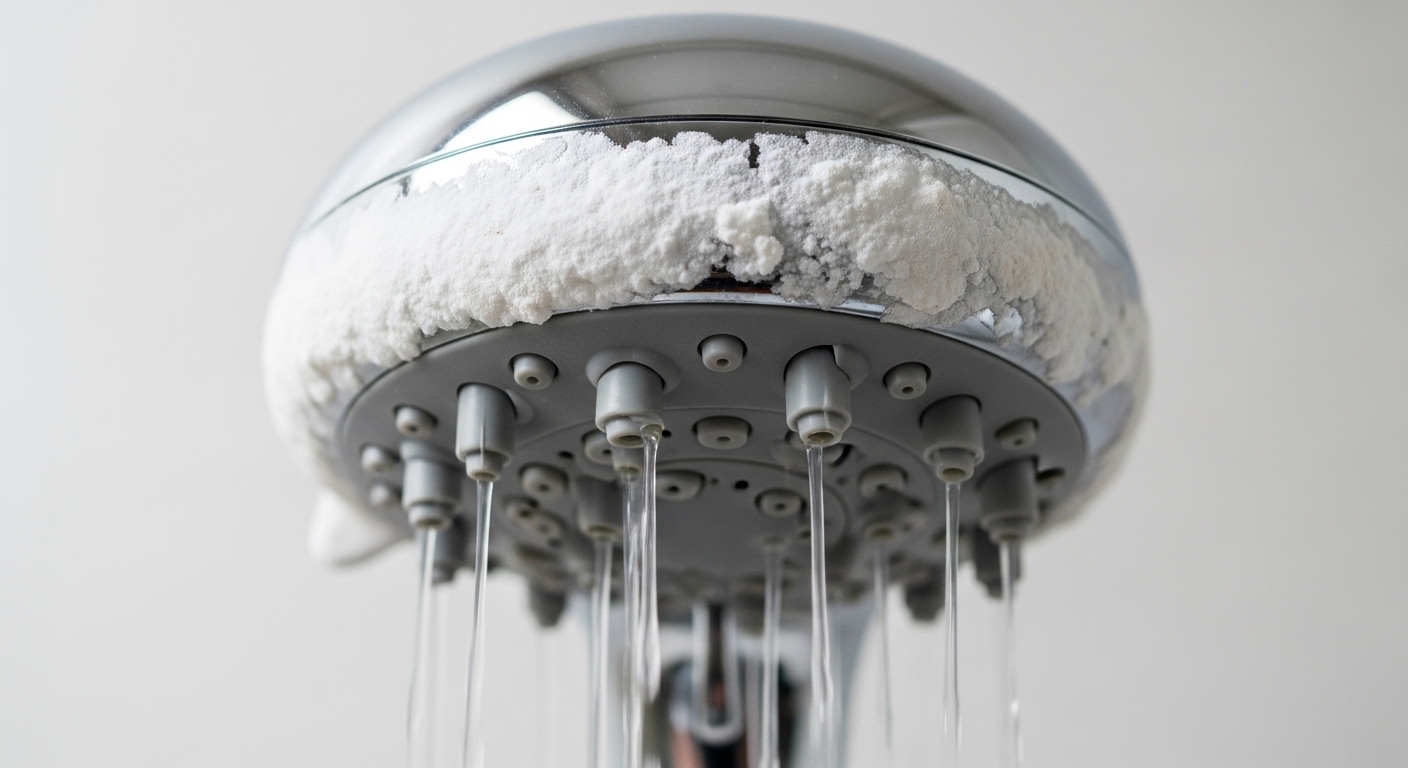
Hard water deserves a special call-out. Mineral scale chews through washers and pits the valve seat faster than anything else. If you’re also fighting spots on your fixtures, our guide on how to remove hard water stains from a stainless steel faucet without scratching it pairs well with a drip repair — treat the cause, not just the symptom.
Which faucet type do I have, and why does it matter?
It matters because each type uses a different internal part, so you buy a different repair kit. There are four common designs, and you can usually tell which you own by the handle.
| Faucet Type | How to Spot It | Most Likely Drip Cause | Typical Fix Cost |
|---|---|---|---|
| Cartridge (single or double handle) | Handle lifts up/down and turns; smooth motion | Worn cartridge | $10–$25 |
| Ball (one handle, often kitchen) | Single handle over a rounded cap/dome base | Worn springs, seats, or ball | $15–$30 |
| Ceramic disc | Single lever, wide cylindrical body | Worn disc seals / sediment | $15–$40 |
| Compression (two handles, older) | Handles screw down tight to shut off | Flat rubber washer / seat | $2–$10 |
How do I stop a dripping faucet myself in under 40 minutes?
Most drips are a genuine 20–40 minute DIY job with basic tools — no plumber required. The core process is the same across faucet types: shut off the water, open the handle, remove the worn part, install the matching new one, and reassemble. Here’s the step-by-step.
- Shut off the water. Turn the two supply valves under the sink clockwise until snug. No under-sink valves? Shut off the main. Then open the faucet to release pressure and drain the line.
- Plug the drain. Drop in a stopper or lay a rag over it so a stray screw doesn’t vanish forever.
- Pop the handle cap and remove the handle. There’s usually a decorative cap hiding a set screw. Use an Allen key or Phillips screwdriver; lift the handle off.
- Remove the retaining nut or clip. A cartridge is held by a small clip or a brass nut. Pull the clip with needle-nose pliers, or loosen the nut with a wrench.
- Pull the old part and inspect it. Cartridge, ball, disc, or washer — look for cracks, flattening, grooves, or white mineral crust. That’s your culprit.
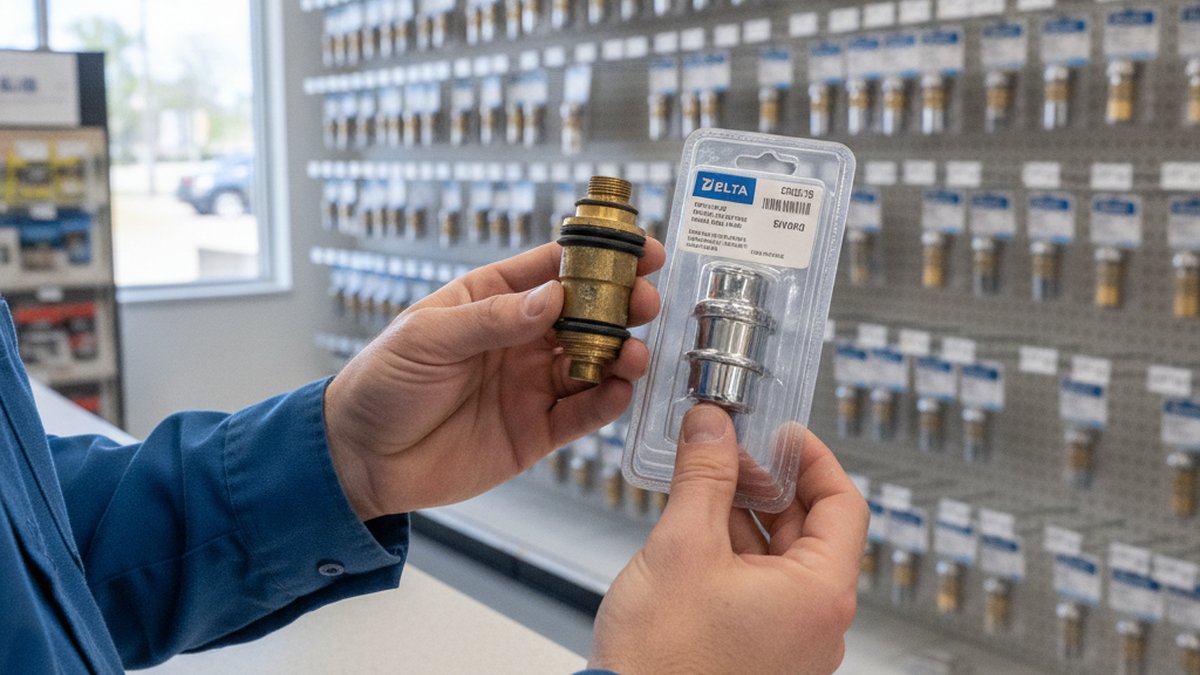
- Match and install the new part. Take the old part to the store or match the model number. Coat new O-rings with plumber’s (silicone) grease before seating them.
- Reassemble and test slowly. Reverse the steps, then open the supply valves gradually and check for leaks before running full pressure.
One caution: don’t crank compression-faucet handles shut with brute force — that’s what shreds the washer in the first place. If a two-handle faucet only drips when fully closed, a fresh washer and a light seat-dressing usually ends it for good.
What tools and parts do I actually need?
Very few, and most people already own them. You’ll want an adjustable wrench, a Phillips and flat screwdriver, an Allen (hex) key set, needle-nose pliers, plumber’s silicone grease, and the correct replacement cartridge, washer, or repair kit for your model. A small container to hold parts in order saves a lot of frustration. Total parts cost is typically $5–$30, versus roughly $100–$250 for a plumber to do the same swap.
Why is my single-handle faucet still dripping after I replaced the cartridge?
If you swapped the cartridge and it still drips, the usual suspects are a wrong-size cartridge, a scratched or scaled valve seat, or a leftover old O-ring you didn’t replace. A new cartridge can’t seal against a pitted seat, so the drip returns within days. Inspect the seat inside the valve body; if it feels rough or looks pitted, dress it with a seat wrench or replace the seat where the design allows.
Single-handle faucets have their own quirks — the same mechanism controls both temperature and shut-off, so one worn cartridge causes both drips and erratic temperature. If yours is dripping specifically at the base or under the counter rather than the spout, that’s a different problem. Our deep dives on why a leaky single-handle kitchen faucet drips and how to fix it yourself and why a single-handle faucet leaks under the sink walk through those exact scenarios step by step. And if the cartridge itself looks corroded green, it’s worth understanding what a copper faucet cartridge is and whether you actually need one before you buy a replacement.
When is a dripping faucet actually worth replacing instead of repairing?
Replace the whole faucet — rather than repairing — when the body is corroded, the finish is peeling, parts are discontinued, or you’ve already rebuilt it once and it’s dripping again. A $20 cartridge in a 15-year-old faucet with a corroded base is throwing good money after bad. As a rule of thumb: if repair parts cost more than about half the price of a new mid-range faucet, or if you can’t source parts for the model at all, replace it.
Modern faucets have also gotten genuinely better at not dripping — ceramic-disc cartridges and higher-grade seals last far longer than the old rubber-washer compression valves your meme-worthy faucet probably uses. If you’re going to shop, it’s worth comparing before you commit; our roundup of the highest-rated kitchen faucets of 2026 breaks down which models hold up over years of daily use.
Does a dripping faucet really waste that much water?
Yes — far more than it looks. A single drip seems trivial, but drips add up fast because they never stop. Here’s what different drip rates cost you over a year.
| Drip Rate | Water Wasted per Day | Water Wasted per Year | Roughly Equal To |
|---|---|---|---|
| 1 drip / second | ~5 gallons | ~2,000–3,000 gallons | ~180 showers |
| 2 drips / second | ~10 gallons | ~5,000+ gallons | ~300 loads of laundry |
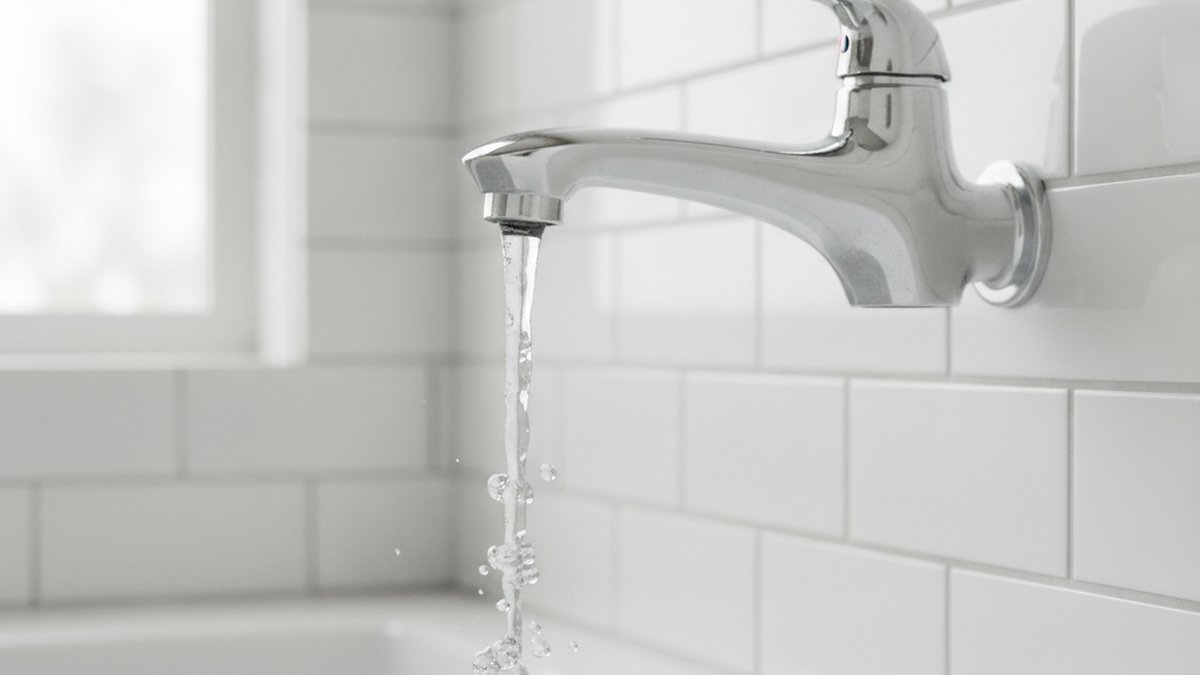
| Steady thin stream | ~30+ gallons | ~10,000+ gallons | A small backyard pool |
So the meme has a real punchline: that little drip is quietly draining your wallet, not just your sleep. Fixing it is one of the highest-ROI 30-minute jobs in your entire home.
How do I stop a faucet drip tonight if I can’t fix it until the weekend?
Tie a length of string or a strip of cloth around the spout so the water runs silently down the string into the drain instead of falling and splashing. It won’t fix the leak or stop the waste, but it kills the plink so you can actually sleep. This is the single most-shared “life hack” reply under every dripping faucet meme — because it genuinely works as a stopgap.
For a slightly better temporary measure, shut the supply valves under the sink to stop the drip entirely overnight, then turn them back on in the morning. Just remember it’s a bandage, not a cure — the worn seal is still worn, and the water bill clock is still ticking until you swap the part.
The bottom line: turn the meme into a 30-minute win
A dripping faucet is relatable, meme-worthy, and — genuinely — one of the easiest home repairs you’ll ever do. Nine times out of ten it’s a worn cartridge, washer, or O-ring that costs a few dollars and a screwdriver’s worth of effort to replace. Diagnose the faucet type, shut off the water, swap the worn part, and you’ve silenced both the noise and the waste. And if the faucet itself is past saving, upgrading to a modern ceramic-disc model means you may never hear that 3 a.m. drip again.
About the author: This guide was written by the WOWOW Faucet product and repair team, drawing on hands-on testing of cartridge, ball, disc, and compression faucet mechanisms across our own product line and common third-party brands. We field real customer repair questions every week and base these steps on what actually resolves drips in the field — not theory.
Why trust WOWOW: WOWOW is a dedicated faucet and bathroom-fixture brand focused on kitchen faucets, shower systems, and bathroom hardware. Our faucets use ceramic-disc cartridges rated to industry durability standards (tested to hundreds of thousands of open/close cycles), are certified to cUPC / NSF/ANSI lead-free and performance standards, and are backed by a manufacturer warranty on cartridges and finish. If a WOWOW cartridge ever fails within warranty, we replace it — because a faucet that drips is a faucet that failed its one job.
FAQ
Is a dripping faucet an emergency?
No, a slow drip isn’t an emergency, but it shouldn’t be ignored. It wastes 2,000–3,000+ gallons a year and can point to worsening internal wear or a valve seat that’s eroding. A leak under the sink or behind a wall is more urgent because it can cause water damage and mold — fix those promptly.
Why does my faucet drip only at night?
It’s dripping all day — you just notice it at night. Household water pressure can also rise slightly overnight when no one is using water, which can turn a barely-there seep into an audible drip. Either way, it’s a worn seal, and the cure is the same: replace the cartridge, washer, or O-ring.
Can I fix a dripping faucet without turning off the water?
No — always shut off the supply first. Removing a handle or cartridge under live pressure will spray water everywhere and can damage parts or flood the cabinet. Turn the under-sink valves clockwise (or shut the main), open the faucet to relieve pressure, and then start work.
How much does a plumber charge to fix a dripping faucet?
Typically $100–$250 for a cartridge or washer replacement, most of which is labor and the service-call minimum. The actual part costs $5–$30. That gap is exactly why a dripping faucet is one of the most worthwhile DIY repairs — the fix is usually a 20–40 minute job.
Why is my brand-new faucet already dripping?
Usually a debris-caught cartridge or an over-tightened connection during install. Sediment from the pipes can lodge under a new seal and hold it open; removing and flushing the cartridge often clears it. If it persists, the cartridge may be defective — check your warranty rather than buying a new part.
Does hard water make faucets drip faster?
Yes. Mineral scale from hard water pits the valve seat and stiffens rubber seals, so faucets in hard-water areas drip sooner and more often. Periodic cleaning, softened water, or choosing a ceramic-disc faucet (which resists scale better) all extend the life of the seal.
\n
Related Guides
\n
- \n
- What are The Different Types of Bathroom Faucets
- Best White Kitchen Faucets – Buying Guide & Reviews
- The Best Faucet Brands to Consider in 2026
- What is The Standard Size Hole for A Kitchen or Bathroom Faucet
\n
\n
\n
\n
\n