 WOWOW Faucets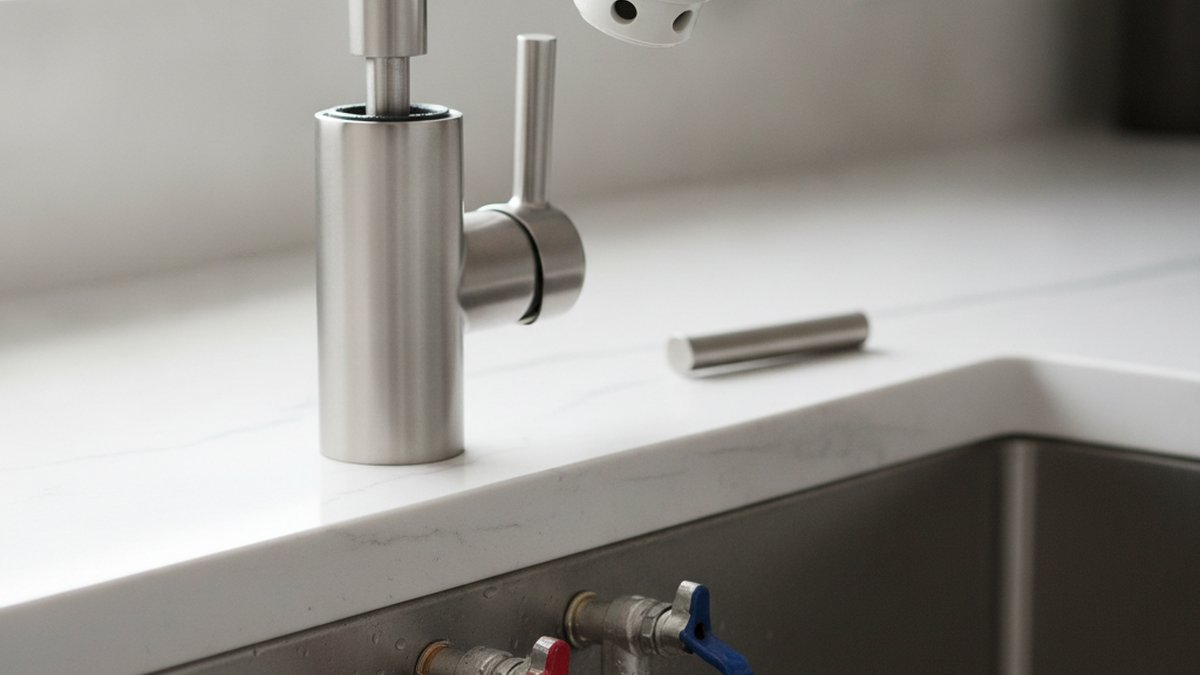
If you’re searching for faucet valve replacement nearby, you almost certainly have a faucet that won’t stop dripping, a handle that spins loosely, or water that trickles when it should gush. The good news: the “valve” that fails in most modern faucets isn’t a soldered brass body buried in the wall — it’s a removable cartridge that pops out and pushes back in. That means you have two real paths: hire a local pro, or do it yourself in under an hour. This guide walks you through both, tells you exactly what a nearby plumber should cost, and helps you decide which faucet valve problems are truly DIY and which ones genuinely need a licensed hand.
We’ll cover how to tell what’s actually broken, when “nearby” service is worth it, real price ranges, the step-by-step swap, and how to avoid buying the wrong part — the single most common mistake that turns a 20-minute fix into a three-trip weekend.
What Does “Faucet Valve Replacement” Actually Mean?
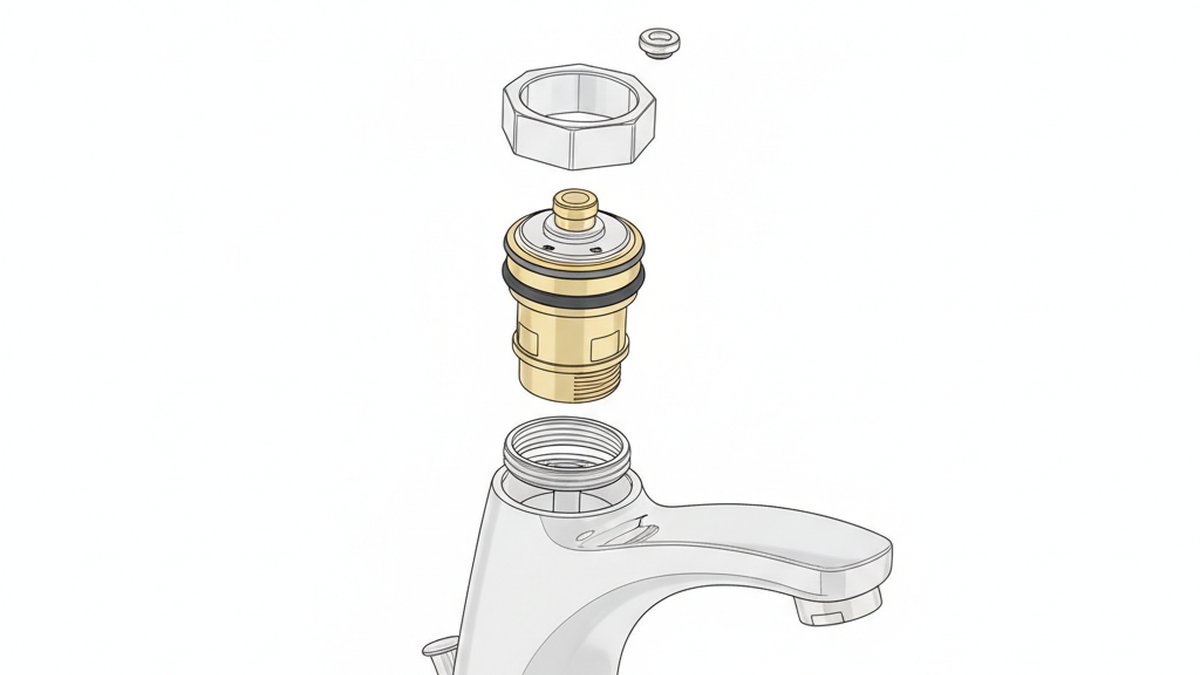
“Faucet valve replacement” almost always means replacing the internal cartridge (or ceramic disc, ball, or compression stem) that controls water flow and temperature — not tearing out the whole faucet. The valve is the moving heart of the faucet: every time you turn the handle, this part opens and closes seals to mix hot and cold. When those internal seals wear out, you get drips, hard-to-turn handles, temperature that won’t hold, or reduced flow.
There are four common valve types you’ll run into:
- Cartridge valves — the most common in modern single- and double-handle faucets. A cylindrical insert you pull straight up and out.
- Ceramic disc valves — two polished ceramic plates that slide over each other. Very durable, but a cracked disc or mineral buildup causes leaks.
- Ball valves — a single-handle mechanism with a slotted metal or plastic ball. Common in older kitchen faucets; leaks usually come from worn springs and seats.
- Compression (stem) valves — the oldest design, with a rubber washer that presses against a seat. Found in two-handle faucets in older homes; a worn washer is the classic dripping-faucet culprit.
Knowing which type you have decides everything: the part you buy, the tool you need, and whether it’s a 15-minute job or a 45-minute one. If you’re unsure, our explainer on what the cartridge on a kitchen faucet is and why it matters breaks down each type with visuals.
Should I Look for Faucet Valve Replacement Nearby, or Do It Myself?
Do it yourself if your faucet uses a standard cartridge, ceramic disc, or ball valve and you can shut off the water under the sink — that covers roughly 8 out of 10 residential faucets. Call a nearby plumber if the valve is a soldered in-wall shower/tub valve, if the shutoff valves themselves are seized, or if you’ve already tried a cartridge swap and the leak persists (which usually points to a corroded valve body).
Here’s the honest breakdown. A sink faucet cartridge is designed to be serviced — manufacturers expect homeowners to replace it. There’s no open flame, no pipe cutting, and shutoffs are right under the sink. That’s a confident DIY.
An in-wall shower or tub valve is a different animal. The trim comes off easily, but if the brass valve body behind the wall is leaking (not just the cartridge inside it), you’re into soldering or press fittings and possibly opening drywall. That’s when “faucet valve replacement nearby” is money well spent. If you’re weighing a shower project specifically, read our guide on the difference between a shower valve rough-in and trim before you decide — it clarifies which half of the valve you’re actually dealing with.
How Much Does a Local Plumber Charge for Faucet Valve Replacement?
Expect $150–$375 total for a nearby plumber to replace a faucet valve, with most homeowners paying around $220. That’s typically a $75–$150 service/trip fee plus $80–$225 in labor, and the small cartridge part is often included or added at a modest markup. Shower and tub in-wall valves run higher — $250–$600+ — because access takes longer.
The table below compares your realistic options so you can see where the money goes.
| Option | Typical Cost | Time | Best For |
|---|---|---|---|
| DIY cartridge swap (sink faucet) | $15–$50 (part only) | 30–60 min | Standard single/double-handle faucets, confident DIYers |
| Local plumber — sink valve | $150–$375 | 1 hour visit | Seized shutoffs, no time, or failed DIY attempt |
| Local plumber — in-wall shower/tub valve | $250–$600+ | 2–4 hours | Leaking valve body, soldering, drywall access |
| Handyman service | $100–$250 | 1 hour visit | Simple cartridge jobs in areas without licensing rules |
When you search “faucet valve replacement nearby,” you’ll see plumbers, handymen, and big-box installation partners. For a straightforward sink cartridge, a handyman is often cheaper and perfectly capable. For anything behind a wall or involving your home’s shutoffs, use a licensed plumber — the higher rate buys you code compliance and liability coverage.
How do I get an honest quote from a nearby plumber?
Tell them the exact problem and, if you can, the faucet brand and model before they arrive. Say something like: “Single-handle Moen kitchen faucet, dripping from the spout, I think it needs a 1225 cartridge.” A specific description gets you a flat-rate quote instead of an open-ended hourly one, and it lets the plumber bring the right part on the first trip — avoiding a second trip fee. Always ask whether the trip/diagnostic fee applies toward the repair if you proceed.
How Do I Know My Faucet Valve Is the Problem and Not Something Else?
A worn faucet valve shows up as one of four symptoms: a spout that drips even when the handle is fully off, a handle that turns too loosely or too stiffly, water temperature that won’t hold steady, or a noticeable drop in flow from that one faucet. If instead you have low pressure at every faucet in the house, or water pooling under the sink at the connections, the valve is not your problem.
Use this quick self-diagnosis:
- Drips from the spout with the handle off → worn cartridge seals or compression washer. Classic valve replacement.
- Leaks around the base of the handle → usually O-rings on the valve, sometimes the cartridge itself. Often fixed in the same swap.
- Handle got hard to turn or grinds → mineral buildup on a ceramic disc or seized cartridge. Replace the valve.
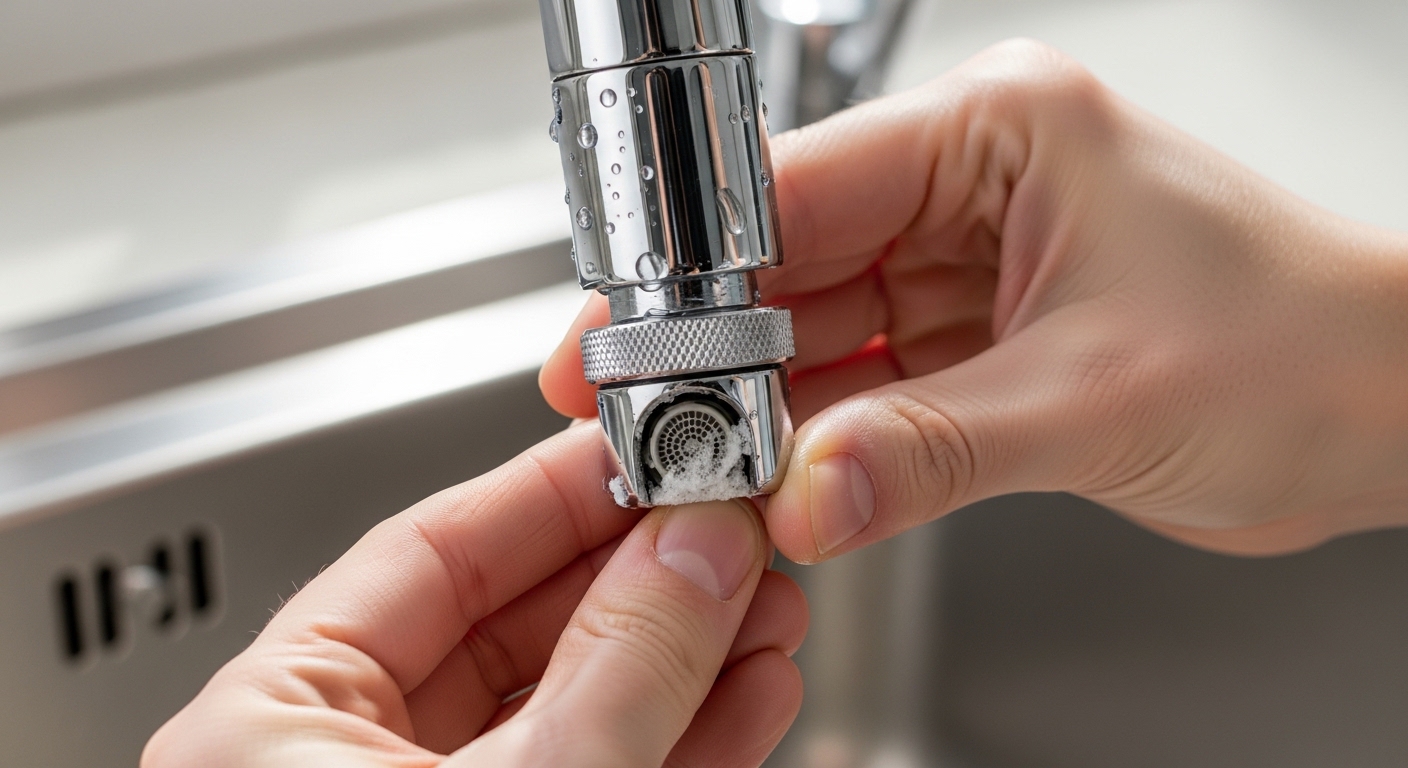
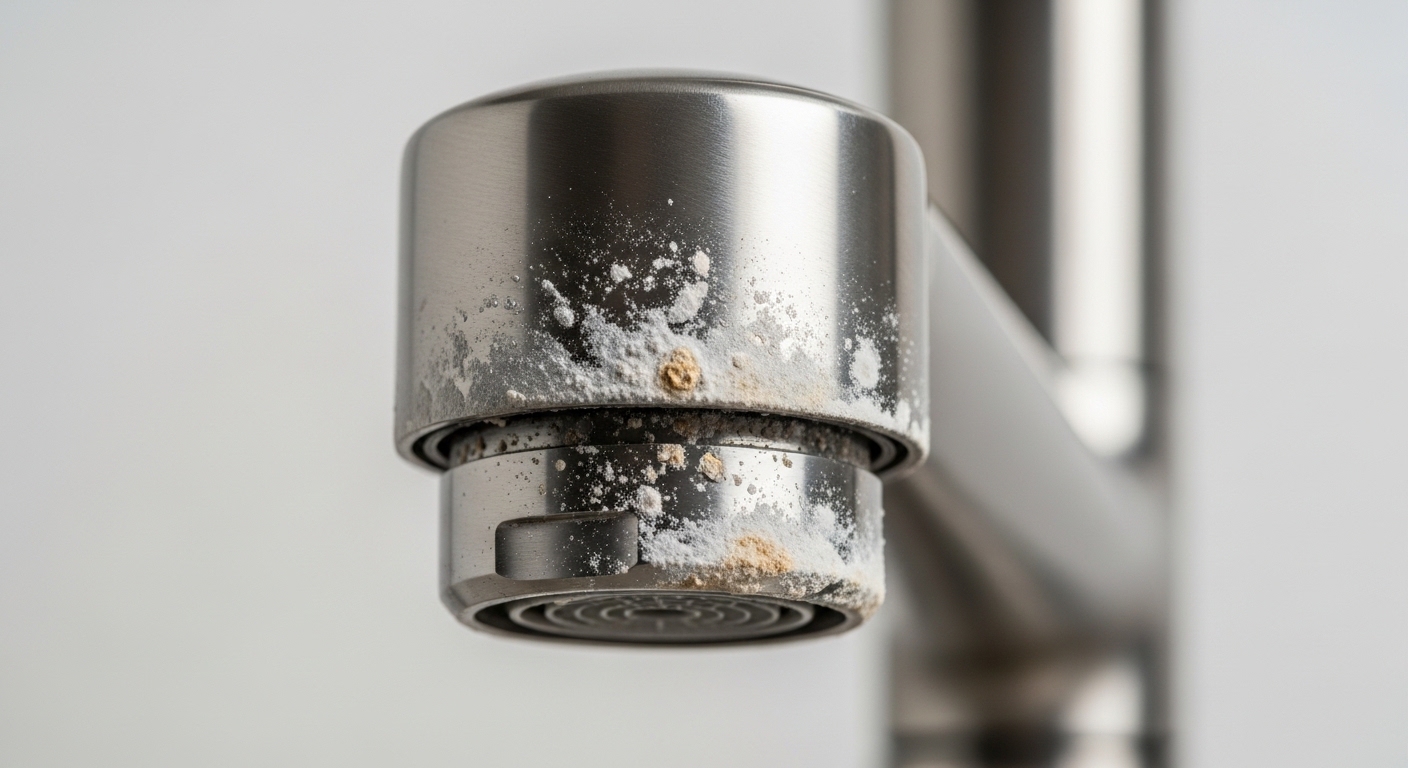
- Weak flow from one faucet only → could be a clogged aerator (cheap, screw-off fix) OR a failing cartridge. Check the aerator first.
- Water under the sink → supply-line or connection leak, not the valve. Tighten fittings before anything else.
Always rule out the aerator first for flow complaints — unscrew it, rinse the debris, and reinstall. It’s a two-minute check that saves a needless valve job. Our complete faucet accessories guide covers aerators, supply lines, and the small parts that people mistake for valve failures.
How Do I Replace a Faucet Valve Myself, Step by Step?
You can replace most sink faucet valves in six steps with a wrench, a screwdriver, and the correct replacement cartridge. Here’s the reliable sequence that works for single-handle and two-handle faucets alike.
- Shut off the water. Turn both supply valves under the sink clockwise until they stop. Open the faucet to release pressure and confirm the water is truly off.
- Plug the drain. Drop in a stopper or a rag so tiny screws and clips can’t disappear down it.
- Remove the handle. Pop off the decorative cap, remove the set screw (often a hex/Allen screw), and lift the handle. Take a photo at each stage so reassembly is foolproof.
- Pull the old valve. Remove the retaining clip or nut, then pull the cartridge straight up. Stubborn ones may need a cartridge-puller tool or gentle pliers with a rocking motion — never force sideways.
- Insert the new valve. Match the orientation of the old one exactly (many cartridges have a notch or flat that sets hot/cold direction). Dab silicone plumber’s grease on the O-rings first.
- Reassemble and test. Reverse the steps, then turn the water back on slowly and check for leaks and correct hot/cold direction before you call it done.
The whole process is genuinely beginner-friendly. If you want a fully illustrated walkthrough with brand-specific quirks, follow our step-by-step guides on how to replace a faucet cartridge and, for the popular single-handle brand, our Delta faucet cartridge replacement guide. Spanish speakers can use our guía paso a paso para reemplazar el cartucho.
How Do I Buy the Right Replacement Valve So I Don’t Waste a Trip?
Match the valve to your faucet’s brand and model number, not just its shape — cartridges that look identical can differ in length, splines, and hot/cold keying. The fastest reliable method is to pull the old cartridge and take it to the store, or read the model number stamped under the spout or on the original paperwork, then buy the manufacturer’s exact replacement part number.
A few rules that prevent the classic “wrong part” mistake:
- Brand-match when possible. Moen 1225, Delta RP, Kohler GP — these part numbers exist for a reason. A universal cartridge sometimes fits, but OEM parts seal best.
- Bring the old one. A physical match beats guessing from a photo every time.
- Check for a warranty replacement. Many faucet brands, including WOWOW, offer free lifetime cartridge replacements — you may not need to pay for the part at all. Contact the manufacturer before buying.
- Buy O-rings and grease too. They’re pennies, and replacing them while you’re in there prevents base leaks later.
If your faucet is more than a decade old, corroded, or you simply want an upgrade, replacing the whole fixture is sometimes smarter than chasing parts — see our step-by-step guide to replacing a bathroom faucet to compare the effort. A modern faucet with an easily serviceable cartridge saves you money on every future repair.
What Tools and Parts Do I Need on Hand?
You need five things to replace almost any faucet valve: an adjustable wrench, an Allen/hex key set, a Phillips screwdriver, the correct replacement cartridge, and silicone plumber’s grease. For stubborn cartridges, add a cartridge-puller tool (usually $10–$15) and a pair of channel-lock pliers. That’s the entire kit — no torch, no pipe cutter, no threading tools for a standard sink job.
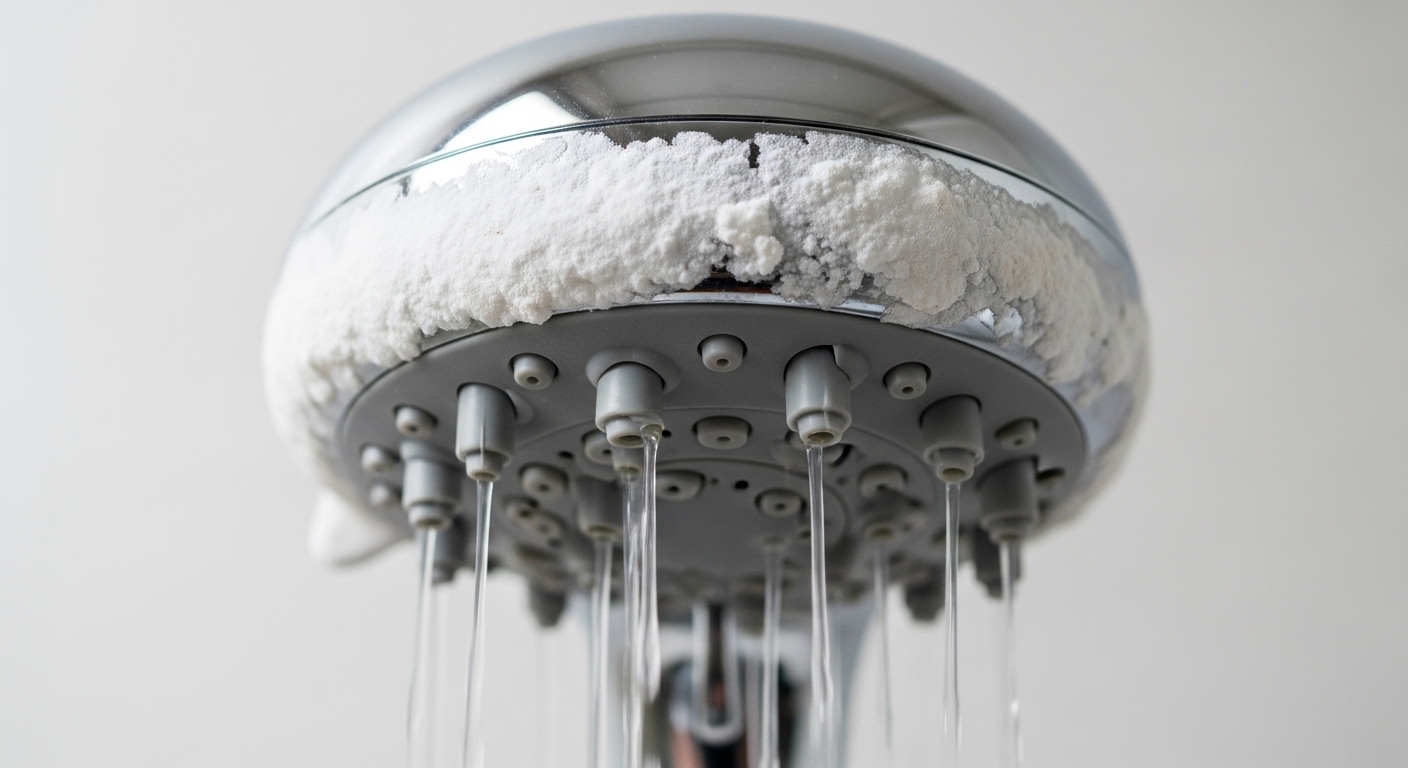
Keep an old towel and a small container for screws nearby, and a flashlight or phone light for seeing into the valve housing. If mineral scale is heavy, a splash of white vinegar dissolves the crust so the new cartridge seats cleanly.
Author Note & Why You Can Trust This Guide
This guide was written by the WOWOW Faucet product and technical team, drawing on years of designing, bench-testing, and field-servicing residential faucets and valves. WOWOW manufactures kitchen and bathroom faucets built to cUPC and NSF/ANSI standards, and our ceramic-disc cartridges are cycle-tested to withstand 500,000+ open/close cycles — the benchmark for a faucet that shouldn’t need a valve swap for many years. Every WOWOW faucet is backed by a limited lifetime warranty, and we ship free replacement cartridges to registered customers, because a well-made valve should be easy to service, not something you replace the whole faucet over. The pricing figures here reflect U.S. plumbing service rates as of 2026 and are meant as realistic planning ranges, not quotes.
FAQ
Is it cheaper to replace the faucet valve or the whole faucet?
Replacing just the valve is almost always cheaper — a cartridge is $15–$50 versus $80–$300+ for a new faucet plus installation. Replace the whole faucet only if the body is corroded, leaking at the base, more than 10–15 years old, or if you want an upgrade. For a simple drip, the valve swap wins on cost every time.
How long does a faucet valve last before it needs replacement?
A quality ceramic-disc cartridge lasts 15–20+ years; rubber-washer compression valves may need a new washer every 3–5 years. Hard water shortens valve life because mineral scale scratches the sealing surfaces. If you’re on well or hard water, expect to service a valve or aerator more often, and consider filtration to protect it.
Can a handyman replace a faucet valve, or do I need a licensed plumber?
A handyman can replace a standard sink cartridge in most areas — it’s a simple, no-plumbing-alteration job. You need a licensed plumber for in-wall shower/tub valve bodies, jobs requiring soldering, or anything that touches your home’s supply lines or code-regulated connections. For a countertop faucet drip, either can handle it; choose by price and availability.
Why does my faucet still drip after I replaced the cartridge?
The three usual causes are: the wrong cartridge model, debris or mineral grit on the valve seat, or worn O-rings/seats that weren’t replaced. Turn off the water, pull the cartridge again, confirm the exact part number, clean the housing of grit, and replace the O-rings and seats. If a brand-new correct cartridge still leaks, the valve body may be cracked — that’s when to call a nearby plumber.
How do I turn off the water if I don’t have shutoff valves under my sink?
Shut off the main water supply to your home, usually located where the water line enters the house, at the meter, or near the water heater. Turn it clockwise until it stops, then open the faucet to drain the line. Older homes sometimes lack under-sink stops — adding them during your repair is a smart, low-cost upgrade a plumber can do while on site.
What’s the fastest way to find reliable faucet valve replacement nearby?
Search your faucet brand plus “authorized service” first, since some warranties require it, then check local licensed plumbers with strong reviews and transparent flat-rate pricing. Describe the exact symptom and faucet model when you call so they arrive with the right part. For simple sink cartridges, a well-reviewed handyman is often the quickest and cheapest same-day option.