 WOWOW Faucets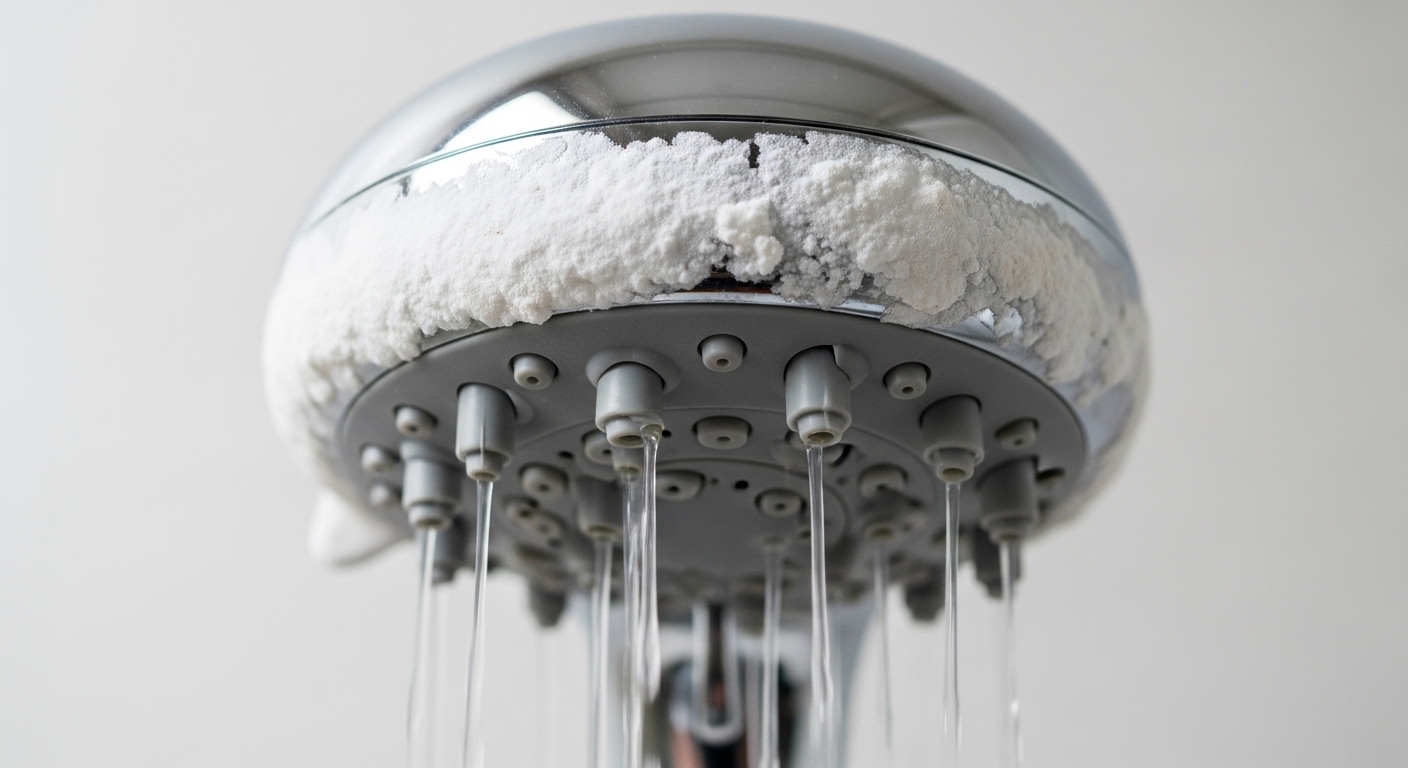
If you’re staring at a weak, dribbling stream and wondering why you’re suddenly getting low pressure out of shower head jets that used to blast you awake, you’re dealing with one of the most common — and most fixable — bathroom complaints there is. In the vast majority of homes, the problem isn’t your plumbing and it isn’t your city water supply; it’s a few dollars of hard-water scale sitting inside the shower head or a small valve that’s not fully open. This guide walks you through diagnosing it in the right order, so you don’t rip apart your wall when a 45-minute vinegar soak would have done the job.
What causes low pressure out of a shower head in the first place?
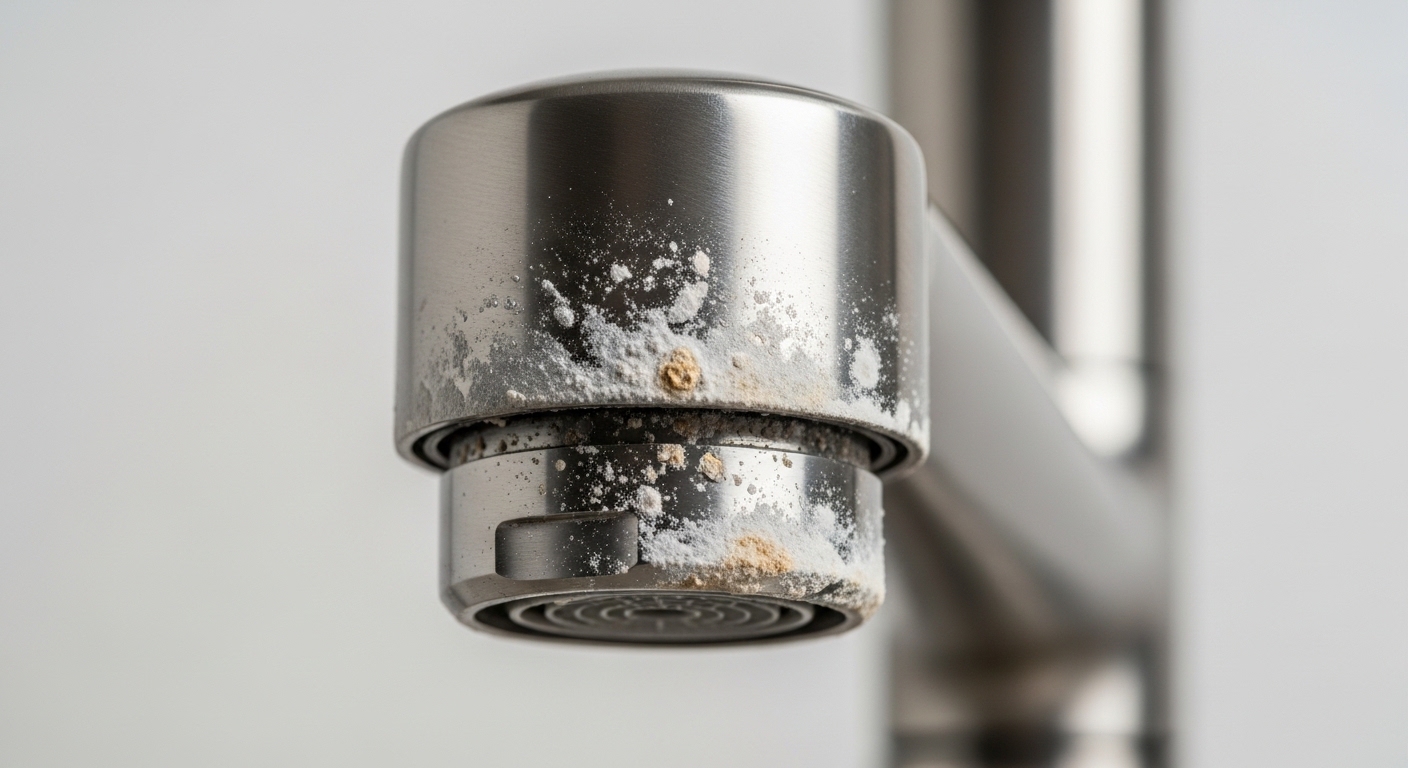
The single most common cause is mineral scale — calcium and magnesium from hard water — building up inside the nozzles and the flow restrictor. Over months, that scale narrows the openings the water passes through, so the same supply pressure produces a weaker, spitting stream. The good news: scale is cheap and easy to remove.
Here’s the honest ranking of causes, from most to least common in a typical home:
- Mineral/scale buildup in the nozzles — the #1 cause, especially in hard-water regions. You’ll often see white crust on the face of the head.
- A clogged flow restrictor or filter screen — the small disc inside the head or at the connection can trap grit and scale.
- A partially closed valve — the shower shut-off, the main supply valve, or a diverter that isn’t flipping all the way.
- A clogged or kinked shower hose — common with handheld units.
- The flow restrictor itself — a legal 2.5 GPM (or lower) restrictor that feels weak, especially on low home pressure.
- Genuinely low household water pressure — a failing pressure regulator, corroded galvanized pipes, or too many fixtures running at once.
Notice that four of the top five are things you can check or fix yourself in under an hour, with no plumber. Let’s go in order.
How do I fix low water pressure from a shower head myself in under an hour?
Start with the cheapest, most likely fix: descale the head with white vinegar. Roughly 8 out of 10 “weak shower” complaints are solved right here, and it costs a couple of dollars.
You have two ways to do it:
- The bag method (no removal): Fill a sturdy zip-top bag or plastic bag with white vinegar, slip it over the shower head so the whole face is submerged, and secure it with a rubber band or twist tie. Leave it 30–60 minutes (overnight for heavy buildup). Remove, then run hot water for a minute to flush loosened scale.
- The soak method (removal): Unscrew the head from the arm by hand or with an adjustable wrench (wrap the finish in a cloth so you don’t scratch it), then submerge it fully in a bowl of warm white vinegar for 30–60 minutes.
After soaking, scrub the rubber nozzles with an old toothbrush, and gently rub the little rubber nubs with your fingertip — most modern heads have flexible silicone tips specifically so you can massage scale off them. Use a toothpick or a straightened paperclip to poke out any stubborn jets. Rinse thoroughly and reattach.
Do not use bleach — it doesn’t dissolve mineral scale and can damage internal seals and certain finishes. And skip harsh metal picks on soft plated finishes. Plain white vinegar (or a 50/50 vinegar-water mix for delicate finishes like brushed gold) is all you need. If your head is heavily scaled and won’t recover, that same buildup is a good sign your whole bathroom would benefit from softer water, which is why some homeowners pair a new head with a filtered setup.
What if cleaning the nozzles didn’t help?
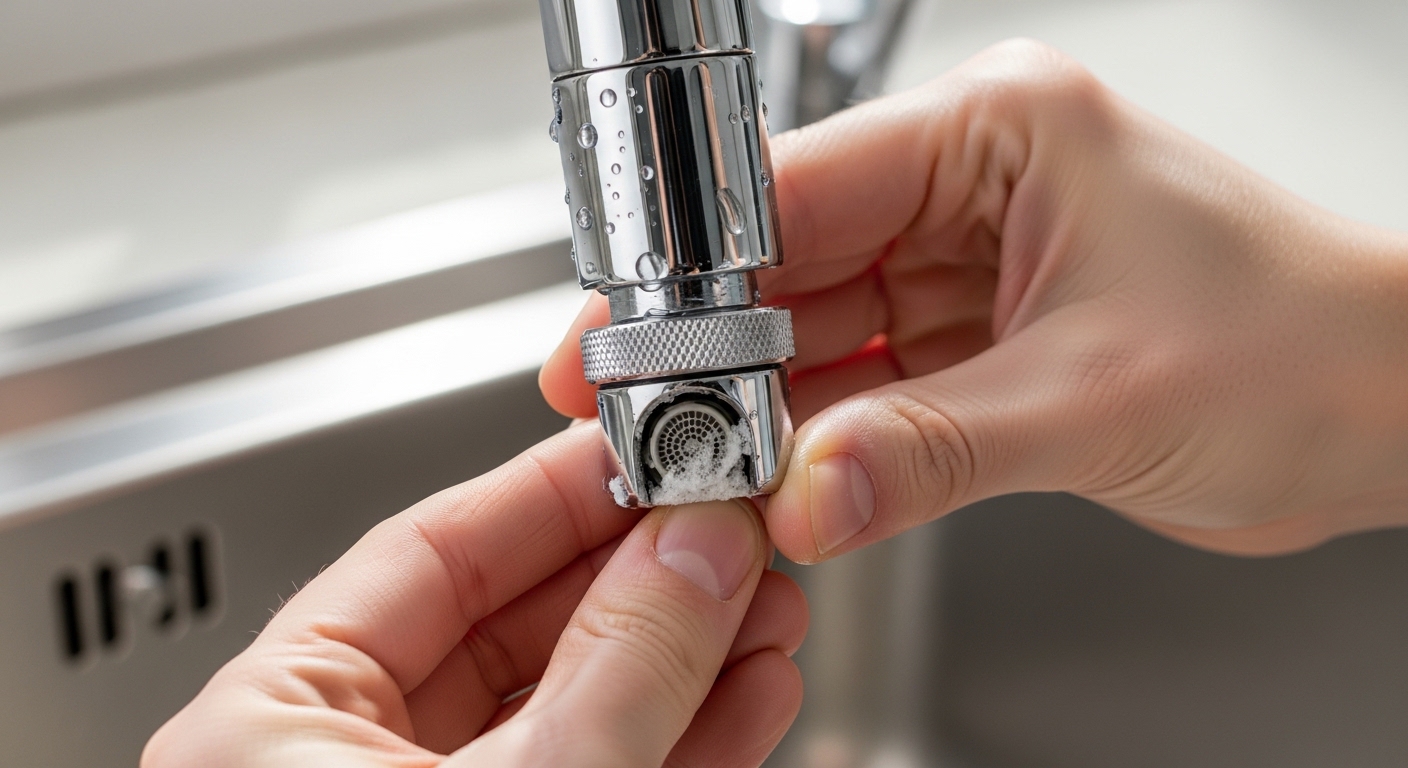
If a full descale didn’t restore flow, pull the flow restrictor and filter screen next. Unscrew the head, look inside the threaded inlet, and you’ll usually find a small colored plastic disc (the flow restrictor) and/or a fine mesh screen. Pop them out carefully with a flathead screwdriver or needle-nose pliers, rinse them, and clear any trapped grit. Reassemble and test.
A note on the flow restrictor: it’s there for a reason — the U.S. federal maximum is 2.5 gallons per minute (GPM), and many states like California cap it lower at 1.8 GPM. Some people remove the restrictor entirely for more force, but this wastes water, can violate local code, and may not even help if your real problem is a clog upstream. Clean it before you consider removing it.
Why is only my shower head weak when the rest of the house is fine?
If your kitchen and bathroom sink faucets have strong flow but only the shower is weak, the problem is isolated to the shower head, hose, or the shower valve/diverter — not your home’s water supply. That narrows things down fast and rules out a whole-house pressure issue.
Work through these shower-specific culprits:
- The diverter valve. In a tub-shower combo, the little pull-up knob or lever that sends water up to the head can wear out or stick halfway, bleeding pressure back down to the tub spout. If water still trickles from the tub spout while the shower runs, your diverter is the problem. This is common enough that we wrote a full walkthrough on why a new diverter valve isn’t working and how to fix it fast.
- The shower hose (handheld units). Kinks, internal collapse, or scale inside the hose choke flow. Detach the hose and run water directly from the arm — if pressure jumps, replace the hose.
- The shower arm. Old galvanized arms corrode internally and narrow. If everything else checks out, a $10 arm swap can help.
- The shower valve cartridge. A worn or scaled pressure-balancing cartridge inside the wall valve can restrict flow. This is more involved, but doable.
If you’re picking a new handheld to replace a tired one, our guide to the best handheld shower head that connects to a tub faucet covers models that hold strong pressure without wasting water.
Why is my whole house — not just the shower — low on pressure?
If every faucet in the house is weak, the shower head isn’t your problem — your home’s water pressure is. This points to the supply side: a partly closed main valve, a failing pressure regulator, corroded pipes, or a municipal supply issue.
Check these in order:
- Main shut-off and meter valves. Make sure both are fully open. A valve bumped to half-open after plumbing work is surprisingly common.
- Pressure-reducing valve (PRV). Homes on city water usually have a bell-shaped regulator near where the main enters. These fail over 7–12 years, dropping pressure house-wide. A plumber can test and replace it.
- Test your actual pressure. A $10 hose-bib pressure gauge tells you the real number. Ideal residential pressure is 45–60 psi; below 40 psi feels weak everywhere. Above 80 psi is too high and damages fixtures.
- Old galvanized pipes. Homes built before the 1970s may have galvanized steel pipe that corrodes and narrows internally over decades — a bigger repair, but worth knowing.
- Simultaneous demand. If pressure only drops when the dishwasher, washing machine, or another shower runs, you may simply be maxing out supply.
Which fix should I try first? A quick diagnostic table
Here’s how to match your symptom to the most likely cause and the fastest fix, ordered by how common and how cheap each one is.
| Symptom | Most likely cause | First fix to try | Cost / time |
|---|---|---|---|
| Weak, spitting spray; white crust on head | Mineral/scale buildup | Vinegar soak + scrub nozzles | ~$2 / 45 min |
| Weak flow after descaling | Clogged restrictor/screen | Remove & rinse restrictor + filter screen | $0 / 15 min |
| Water leaks from tub spout while showering | Failing diverter | Clean or replace diverter | $10–25 / 30 min |
| Only handheld is weak | Kinked/scaled hose | Test arm directly; replace hose | $15–30 / 20 min |
| Every faucet in house is weak | PRV or main valve | Check valves; test psi; call plumber for PRV | $0–350 / varies |
| Weak only when other fixtures run | High simultaneous demand | Stagger usage; consider larger supply line | varies |
Will a new shower head actually give me more pressure?
Sometimes yes — but only if your problem is the head itself, not your supply. A well-designed high-pressure shower head uses smaller, precisely angled nozzles and internal pressure-compensating chambers to make a given flow rate feel more forceful, which is a real, noticeable upgrade if your old head is cheap, worn, or permanently scaled. What a new head can’t do is fix a closed valve, a bad PRV, or corroded house pipes.
When shopping, look for these features:
- “High-pressure” or “pressure-boosting” design — narrower jets that accelerate the water.
- Self-cleaning silicone nozzles — flexible rubber tips you can rub scale off, so pressure stays strong for years.
- A removable flow restrictor — so you can clean it easily (not necessarily remove it permanently).
- Solid brass connection threads — they resist cross-threading and corrosion better than plastic.
- A WaterSense label if you want to save water while keeping good feel — WaterSense heads are independently tested to deliver satisfying spray force at 2.0 GPM or less.
If your low pressure traces back to a wall valve rather than the head, and you’re renovating anyway, it’s worth doing the valve right the first time — our guide on shower valve installation with PEX shows how modern flexible plumbing makes that job far more DIY-friendly than it used to be.
Is it worth removing the flow restrictor for more pressure?
Usually no — clean it first. The restrictor limits waste and is required in many jurisdictions; pulling it can raise your water and heating bills and may still leave you disappointed if the real bottleneck is a clog or a valve. Only consider removing it after you’ve descaled everything, confirmed your home pressure is healthy (45–60 psi), and decided you truly want maximum flow. Even then, know that some manufacturers void warranty coverage if the restrictor is removed.
How do I keep shower pressure strong so this doesn’t happen again?
Descale on a schedule and choose hardware that resists buildup. If you have hard water, a quick vinegar soak every 3–6 months keeps nozzles clear before scale ever gets bad enough to notice. Wiping the nozzle face dry after showers also slows mineral deposits.
Longer term, addressing the water itself pays off across the whole bathroom — the same minerals that clog your shower head also dry out skin and dull faucet finishes. If that’s a concern, it’s worth understanding your options for treated water; we compare the leading picks in our roundup of the best bathroom faucet water filter for skin, and the same logic that keeps skin happy keeps scale out of your shower jets.
FAQ
Can hard water cause low pressure out of a shower head?
Yes — hard water is the leading cause. Dissolved calcium and magnesium precipitate out as scale inside the nozzles and flow restrictor, slowly choking the openings until the stream weakens and sputters. A white, crusty residue on the head’s face is the giveaway. A 30–60 minute white-vinegar soak dissolves it and typically restores flow the same day.
How often should I clean my shower head to prevent low pressure?
Every 3–6 months in hard-water areas, and once or twice a year in soft-water areas. A quick vinegar-bag soak is enough for maintenance. If you already see visible crust or feel the spray weakening, clean it now rather than waiting — scale is much easier to remove before it hardens fully.
Why did my shower pressure drop suddenly after new plumbing work?
The most common reason is a supply or shut-off valve that was left partially closed after the work, or debris and pipe scale that got knocked loose and lodged in your shower head’s filter screen. Check that all valves are fully open, then remove and rinse the head’s inlet screen. Both are quick, no-cost fixes.
Does removing the flow restrictor damage my shower head or void the warranty?
It can. Many manufacturers consider the flow restrictor a required component, and removing it may void the warranty and violate local water-efficiency codes. It also raises water and heating costs. Always descale and clean the restrictor first — that solves the perceived “weakness” most of the time without removing anything.
Is low shower pressure a sign of a bigger plumbing problem?
Occasionally. If only the shower is affected, it’s almost always the head, hose, or diverter — minor and DIY-friendly. But if every faucet in the house is weak, it can signal a failing pressure-reducing valve or corroded galvanized pipes, which are worth having a licensed plumber inspect. A $10 hose-bib pressure gauge reading below 40 psi confirms a whole-house issue.
What pressure should a shower head have?
Your home’s water pressure should sit between 45 and 60 psi for a strong, comfortable shower; below 40 psi feels weak everywhere. Shower heads themselves are limited by law to a flow rate of 2.5 GPM (often 1.8 GPM in water-conscious states), so a good “high-pressure” head is engineered to feel forceful within that limit rather than by using more water.
About the author: This guide was written by the WOWOW Faucet product and plumbing content team, drawing on hands-on testing of shower heads, valves, and diverters across a range of home water conditions. WOWOW is a dedicated manufacturer of faucets, shower systems, and bathroom fixtures; our products are built to industry flow and durability standards (including WaterSense-aligned flow rates) and are backed by manufacturer warranty support. We test fixtures against real-world hard-water and low-pressure scenarios so our repair advice reflects what actually works in a typical home, not just the spec sheet.
This article is for general guidance. If a repair involves opening wall valves or replacing a pressure regulator and you’re not comfortable, consult a licensed plumber.
\n
Related Guides
\n
- \n
- Six Different Types Of Shower Handles: Choose The Right For Your Bathroom
- Understanding Shower Valve Types: A Comprehensive Guide
- What Is The Standard Height Of A Shower Head
\n
\n
\n
\n