 WOWOW Faucets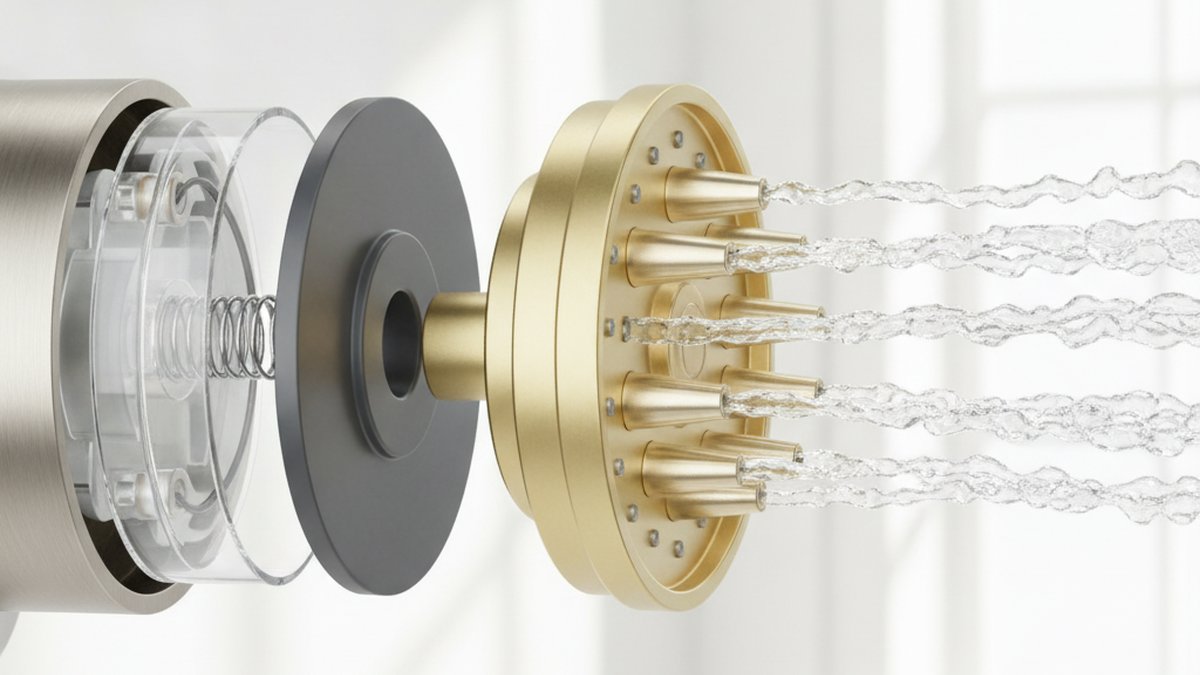
If you’ve ever stood under a “water-saving” shower and felt like you were being rained on by a sad garden hose, you already understand the tension baked into a high pressure shower head low gpm setup: you want a strong, satisfying spray, but modern codes cap how much water can pass through. The good news is that high pressure and low GPM aren’t enemies — a well-engineered head makes them work together, and when yours suddenly feels weak, it’s almost always a repairable problem, not a design flaw you have to live with.
This guide is written for the repair scenario: you own (or just installed) a low-flow shower head, the pressure dropped off or never felt right, and you want to fix it yourself. We’ll cover how these heads actually generate pressure, the exact things that kill it, and a step-by-step troubleshooting path — plus when it’s genuinely time to replace the head instead of babying it.
Can a Low GPM Shower Head Actually Feel High Pressure — or Is That Marketing?
Yes, a low GPM shower head can genuinely feel high pressure, and it’s physics, not marketing. Pressure at your skin depends on velocity, not total volume. By forcing a smaller amount of water through tighter, precisely angled nozzles, the head speeds that water up — so 1.75 gallons per minute hits you harder than 2.5 GPM does through a wide, lazy spray face.
Here’s the distinction people confuse constantly:
- GPM (gallons per minute) = how much water leaves the head over time. Federal max is 2.5 GPM; California, Colorado, and several other states cap it at 1.8 GPM. “Low flow” today usually means 1.5–2.0 GPM.
- Pressure / feel = how fast that water is moving and how it’s concentrated when it lands on you. This is what your body registers as “strong.”
A good low-GPM head uses two tricks. First, pressure-compensating technology: a flexible chamber or rubber disc that maintains a consistent, punchy spray even when your home’s water pressure fluctuates. Second, nozzle geometry: fewer, narrower, aerated jets that accelerate the stream. Aeration mixes air into the water to keep the coverage feeling full while using less water. So no — you are not imagining it when a 1.75 GPM head out-performs an old 2.5 GPM one. The engineering is real.
Why Did My High Pressure Shower Head Suddenly Lose Pressure?
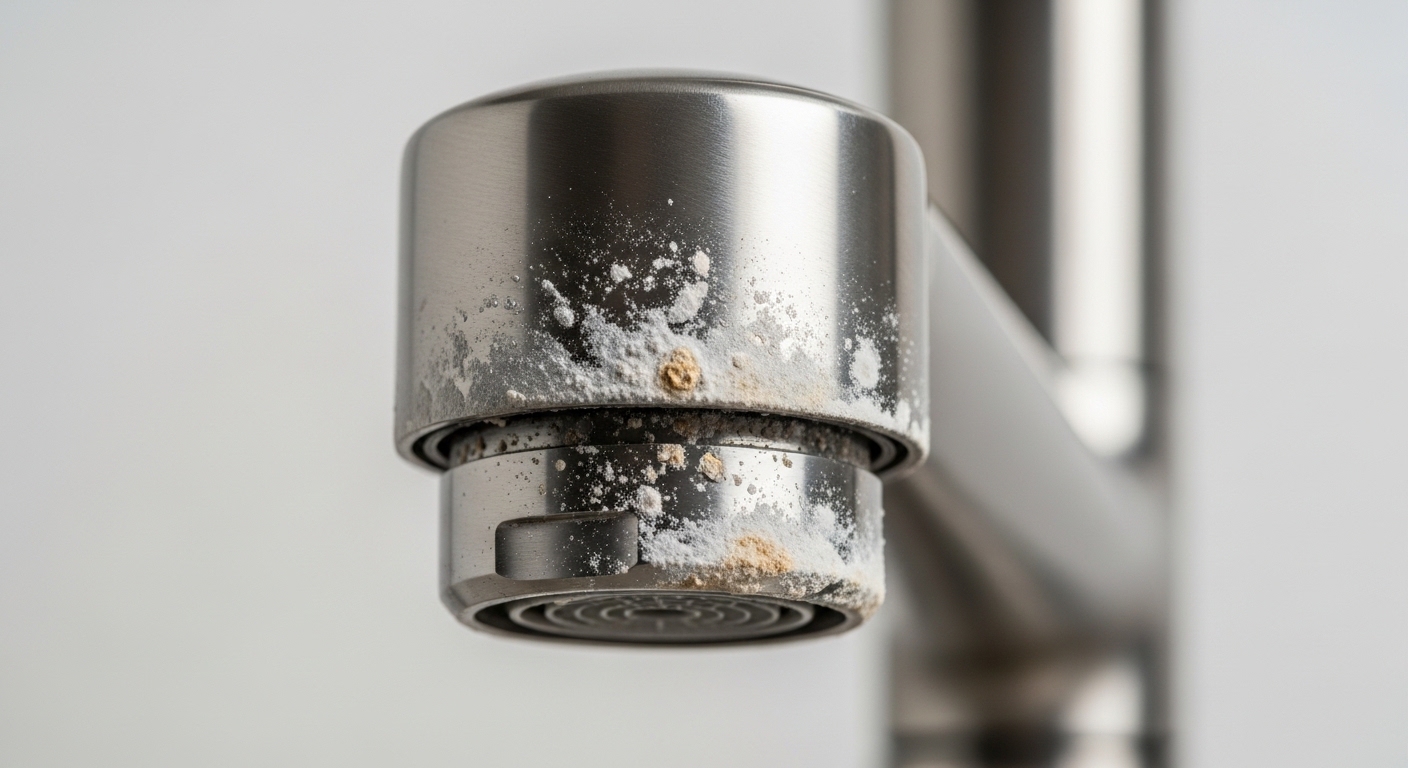
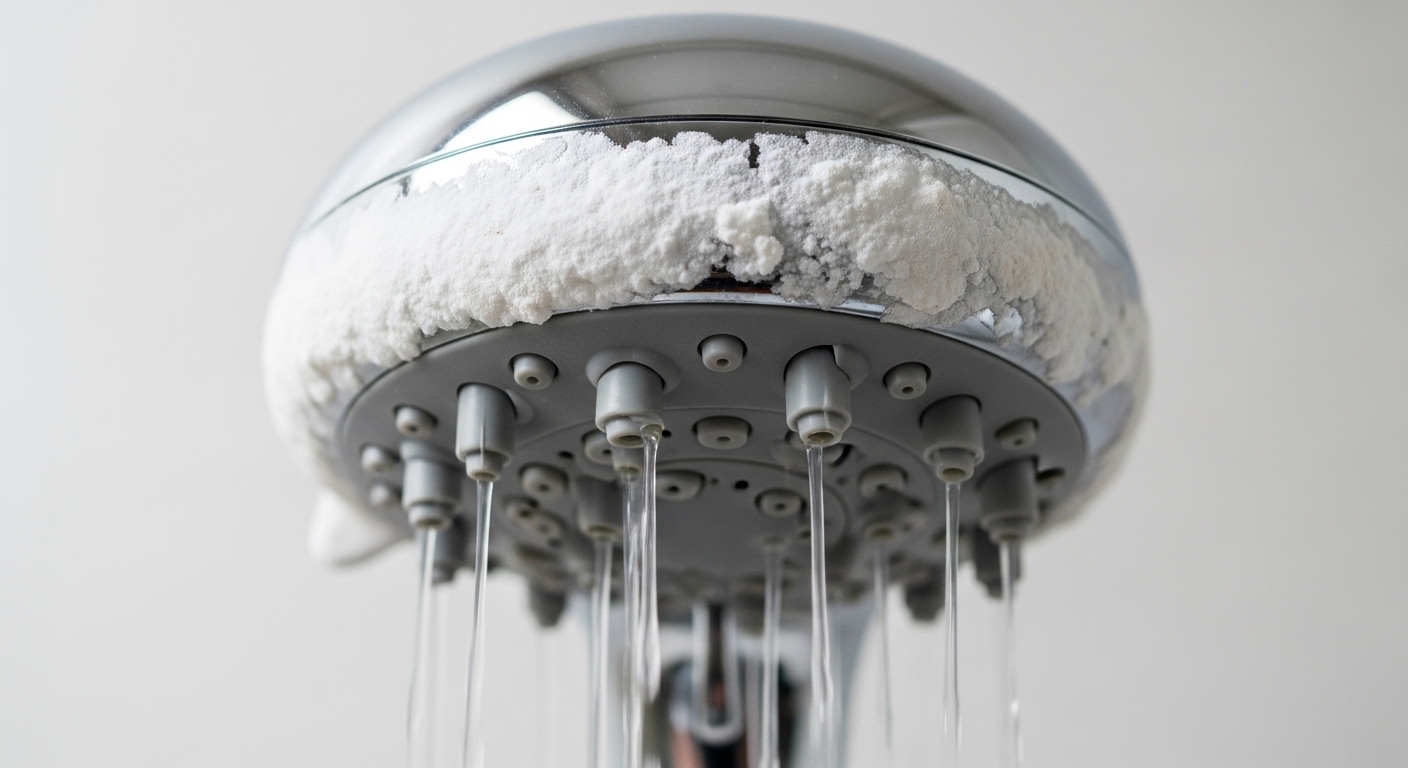
The most common reason a low-GPM shower head loses pressure is mineral buildup clogging the nozzles — hard water leaves calcium and lime deposits that block the tiny jets. The second most common is a partially stuck or misinstalled flow restrictor. Both are repairs you can do at the sink in a few minutes.
When pressure drops, work through causes from most to least likely:
- Clogged nozzles (hard water scale). If some jets spray sideways or don’t spray at all, this is your culprit. Rubber nozzle tips can often be cleared just by rubbing them with your thumb.
- Mineral buildup inside the filter screen. Most heads have a small screen or washer where they connect to the shower arm. Grit and scale collect there and choke flow before it even reaches the face.
- Flow restrictor issues. The restrictor is doing its job, but if it’s paired with a low-quality head, it can over-throttle. Removing or swapping it changes GPM — more on the legal/practical reality of that below.
- Low incoming house pressure. If every fixture in the house is weak, the head isn’t the problem. Residential pressure should sit around 45–60 psi.
- A kinked hose or bad connection (handheld models), or a partially closed shut-off/diverter valve behind the wall.
How Do I Fix a Weak Low-Flow Shower Head Myself (Step by Step)?
To fix a weak low-flow shower head, unscrew it, clean the inlet screen and nozzles of mineral buildup, soak it in white vinegar, and check the flow restrictor — this resolves the large majority of weak-pressure complaints in about 20–30 minutes with no plumber. Here’s the full sequence.
You’ll need: white vinegar, a plastic bag, a rubber band or zip tie, an old toothbrush, a soft cloth, an adjustable wrench, plumber’s tape (PTFE tape), and a paperclip or needle.
- Test whether it’s the head or the house. Turn on your bathroom sink and kitchen faucet. If they’re strong and only the shower is weak, the head is the problem. If everything’s weak, check your main pressure or call about the supply.
- The no-tools vinegar soak. If you don’t want to remove the head, fill a plastic bag with white vinegar, slip it over the shower head so the whole face is submerged, and secure it with a rubber band. Leave it 1–4 hours (overnight for heavy scale). Run hot water afterward to flush loosened deposits.
- Remove the head for a deeper clean. Wrap the connection nut with a cloth to protect the finish, then loosen counterclockwise with your wrench. Unscrew the rest by hand.
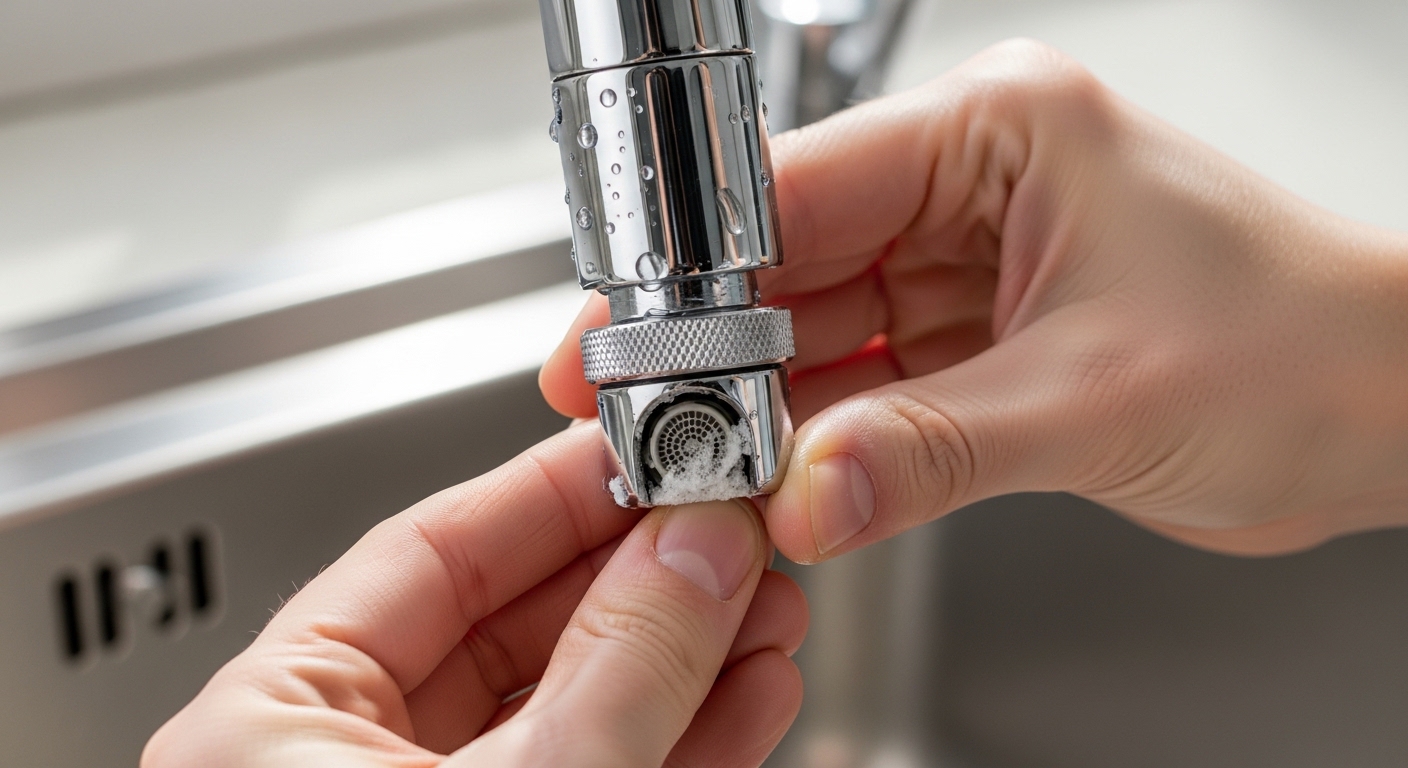
- Clear the inlet screen. Look inside the threaded inlet. You’ll usually see a small mesh screen and/or a washer. Pull it out (needle-nose pliers help), rinse it, and brush off grit. This single step fixes a surprising number of “dead” heads.
- Attack the nozzles. Soak the whole head in a bowl of straight white vinegar for at least an hour. Then scrub the rubber tips with the toothbrush and poke stubborn jets with a paperclip. Rub silicone nozzles with your thumb — most scale flakes right off.
- Reassemble with fresh tape. Wrap the shower arm threads with 2–3 turns of plumber’s tape (clockwise), reattach the head hand-tight plus a gentle wrench nudge. Over-tightening cracks plastic threads and causes leaks.
- Retest. Run the shower and watch the spray pattern. Even, forceful jets = you’re done.
If you’re comfortable doing this level of work, you may also want to look at the valve behind the wall — a worn or half-open cartridge can throttle flow too. Our walkthrough on the difference between a shower valve rough-in and trim explains what’s actually happening behind that escutcheon plate and when the valve, not the head, is the real bottleneck.
Should I Just Remove the Flow Restrictor to Get More Pressure?
Removing the flow restrictor will increase flow and can boost pressure, but think twice: it’s the part that keeps you within legal GPM limits, it raises your water and heating bills, and on a well-designed high-pressure low-GPM head it often makes almost no difference to how the spray feels. Try cleaning first — many people remove the restrictor to fix a problem that was really just scale.
A few honest points before you pry it out:
- Legality. In states with 1.8 GPM caps, removing the restrictor puts a fixture out of compliance. For personal use nobody’s inspecting your shower, but it matters for rentals and resale.
- Diminishing returns. A quality pressure-compensating head is engineered around that restrictor. Yank it and you often get more water volume but a mushier, less concentrated spray — the opposite of what you wanted.
- Cost. Going from 1.8 to 2.5 GPM is roughly a 40% jump in water use every shower, and you pay to heat that extra water too.
My recommendation: clean the head thoroughly first, run it, and only consider the restrictor if you still feel starved. If you do remove it, keep the part in a drawer so you can put it back.
What’s the Difference Between the Main Types of High-Pressure Low-GPM Shower Heads?
The three main types are fixed wall-mount, handheld, and rain-style — and for high pressure at low GPM, fixed and handheld heads almost always beat rain heads, because rain heads spread water over a huge face and rely on gravity rather than velocity. Here’s how they compare for someone chasing strong pressure on a restricted flow.
| Type | Typical GPM | Pressure feel at low GPM | Best for | Repair difficulty |
|---|---|---|---|---|
| Fixed wall-mount | 1.5–2.0 | Strong — concentrated jets, easy to make punchy | Everyday strong showers, hard-water homes | Easy (unscrew & clean) |
| Handheld | 1.75–2.0 | Strong & adjustable — “massage” modes concentrate flow | Rinsing, cleaning, flexibility, seated bathers | Easy, plus hose to check |
| Rain / ceiling | 1.8–2.5 | Gentle — hard to feel “high pressure” at low GPM | Spa/soaking feel, not force | Moderate (mounted overhead) |
| Dual (rain + handheld) | 1.8–2.5 combined | Varies — use handheld for pressure | Households that want both | Moderate (more parts) |
If your top priority is that stinging, wake-you-up spray on a low-flow budget, a fixed head or a handheld with a concentrated “power” setting is the reliable pick. Rain heads are wonderful for a soft, drenching feel, but they physically cannot deliver high velocity when the flow is capped — the water simply spreads too wide.
How Do I Know If It’s My Head or My Home’s Water Pressure?
Run two other fixtures at once — if your sink and tub also run weak, the problem is your home’s water pressure, not the shower head, and cleaning the head won’t help. A quick $10 pressure gauge that screws onto a hose bibb confirms it: healthy residential pressure is 45–60 psi, and anything under about 40 psi will make even the best low-GPM head feel limp.
Common whole-house causes and what to do:
- Pressure-reducing valve (PRV) failing. Many homes have a PRV near the main shut-off. If it’s set too low or wearing out, everything runs weak. This is a plumber-level fix.
- Old galvanized pipes. Decades of internal scale narrow the pipe bore and choke flow throughout the house.
- A partially closed main or fixture shut-off. Sometimes it’s as simple as a valve that never got fully reopened after work was done.
- Well systems with a pressure tank set low, or a struggling pump.
If the whole house is weak, no shower head can save you — you’re solving the wrong problem. But if it’s isolated to the shower, you’re back to cleaning, the restrictor, or the head itself.
When Is It Time to Replace the Shower Head Instead of Repairing It?
Replace the head when the nozzles are cracked or permanently scaled, the internal pressure-compensating chamber is worn (spray stays weak even after a full cleaning), or the head is a builder-grade unit that never performed well. A quality replacement is inexpensive, and installing one is a 10-minute job that requires only plumber’s tape and hand tools.
Signs repair is no longer worth it:
- You’ve cleaned and vinegar-soaked it and pressure is still poor.
- Nozzles are cracked, discolored, or crumbling — hard water eventually degrades cheap plastic.
- It leaks from the body (not the connection) even after new tape.
- It’s an old 2.5 GPM head and you actually want a modern low-flow head that feels stronger and saves water.
Swapping a head is one of the easiest fixture jobs there is — genuinely simpler than replacing an electric unit. If your project involves wiring or a powered model, follow proper safety steps in our guide on how to install an electric shower head safely by yourself. And if you’re upgrading other parts of the bathroom while you’re in there, our roundup of the best bathroom accessories of 2026 pairs well with a shower refresh.
How to Keep a Low-GPM Shower Head Strong for Years
The single best maintenance habit for a low-GPM head is a monthly vinegar soak if you have hard water — it prevents the scale that causes 80% of pressure complaints in the first place. Preventive care beats repair every time.
- Wipe the nozzles weekly. Rubbing rubber tips with a thumb after showers knocks off scale before it hardens.
- Vinegar soak monthly (hard water) or quarterly (soft water).
- Consider a whole-house or inline shower filter if your water is very hard — it slows buildup dramatically and protects every fixture, not just the shower.
- Don’t over-tighten on reinstall. Snug plus a slight wrench turn is enough; brute force cracks threads.
Treat the head like a maintainable part, not a disposable one, and a good low-GPM unit will hold its pressure for many years while quietly saving you water and heating costs.
FAQ
Does a lower GPM shower head automatically mean weaker pressure?
No. GPM measures water volume, not force. A well-designed low-GPM head uses narrow, accelerated jets and a pressure-compensating chamber so the spray feels as strong as — or stronger than — an old high-flow head. Weak pressure on a low-GPM head is almost always caused by clogging or low house pressure, not the GPM rating itself.
What GPM counts as “low flow” and is it legal?
The U.S. federal maximum is 2.5 GPM. “Low flow” generally means 1.5–2.0 GPM, and states like California and Colorado cap shower heads at 1.8 GPM. Any head at or below your state’s limit is fully compliant, and quality low-GPM heads are specifically engineered to feel strong at those numbers.
Will removing the flow restrictor void my warranty?
Often, yes — many manufacturers consider the restrictor a permanent compliance component, and removing it can void the warranty and put the fixture out of code in restricted states. Always clean the head first; scale, not the restrictor, is the usual cause of weak flow. Keep the restrictor if you remove it so you can reinstall it.
How often should I clean a shower head in a hard-water area?
Monthly. Hard water deposits calcium and lime on the nozzles fast, and a monthly white-vinegar soak plus a quick weekly wipe of the rubber tips keeps jets clear and pressure consistent. In soft-water homes, every three months is usually enough.
Can I fix low shower pressure without any tools?
Often, yes. Tie a bag of white vinegar around the head so the nozzle face is submerged, leave it one to four hours, then run hot water to flush the loosened scale. Rubbing the rubber nozzle tips with your thumb clears many blocked jets. If that doesn’t work, a deeper clean of the inlet screen with basic tools usually does.
Is a handheld or fixed head better for high pressure at low GPM?
Both work well; the key is concentrated jets. Fixed heads deliver a reliably strong, focused spray, while handhelds add an adjustable “power” or “massage” setting that concentrates flow even more and lets you aim it. Rain-style heads are the weakest choice for high pressure at low GPM because they spread water over a large, gentle face.
About the author: This guide was written by the WOWOW Faucet product and support team, drawing on hands-on installation and repair experience across thousands of customer shower setups. WOWOW designs and tests kitchen and bathroom fixtures — including pressure-optimized, low-GPM shower heads — with finishes and internal components verified against U.S. plumbing standards (cUPC / NSF) and backed by our manufacturer warranty. Our shower heads are flow-tested to deliver strong, consistent pressure within federal and state GPM limits. Always follow your local plumbing codes, and when in doubt about your home’s water pressure or valves, consult a licensed plumber.