 WOWOW Faucets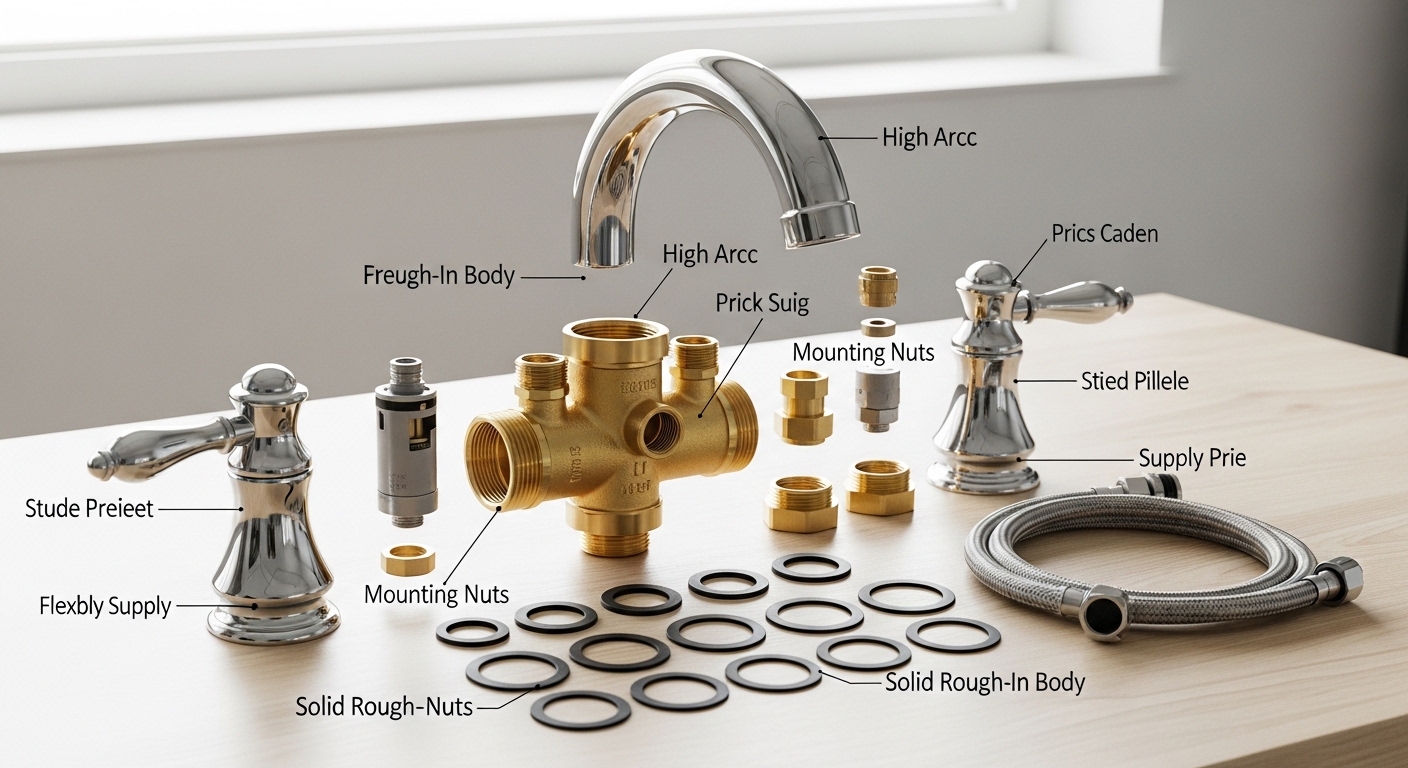
If you’re shopping for a roman tub faucet kit, you’ve almost certainly noticed the confusing part: some listings sell you a beautiful spout and two handles, and others sell you a plain brass valve body with no finish at all. Both are “roman tub faucets,” and both are half of the same product. A true kit bundles the decorative trim you see on top of the tub deck with the rough-in valve that mounts underneath and connects to your hot and cold supply lines. Buy only the trim and you can’t hook it up; buy only the rough-in and you have nothing to grab. This guide walks through exactly what’s in a kit, when you need every piece, how to measure so it actually fits, and what to look for so you don’t end up with a wobbly, leaky, or under-pressured tub filler.
WOWOW builds and pressure-tests deck-mount tub fillers for exactly this scenario, so below you’ll get the plain-language version of what our product engineers check before a kit ships — not marketing fluff.
What exactly comes in a roman tub faucet kit?
A complete roman tub faucet kit contains four functional groups: the spout (the arched or straight tube water pours from), the handles (usually two — one hot, one cold — sometimes a third for a hand shower diverter), the rough-in valve body that mounts under the deck and houses the cartridges, and the mounting hardware (deck plates, gaskets, mounting nuts, and flexible connection hoses). Everything else is a variation on those four.
Here’s the piece that trips people up: “roman tub faucet” describes a deck-mounted filler — it sits on a horizontal surface (the flat rim of the tub or a tiled deck) and the handles and spout poke up through drilled holes. That’s different from a wall-mounted tub filler or a floor-mount freestanding filler. So when a kit says “3-hole” or “4-hole,” it’s telling you how many holes your deck needs drilled: two for the handles, one for the spout, and a fourth if there’s a hand shower.
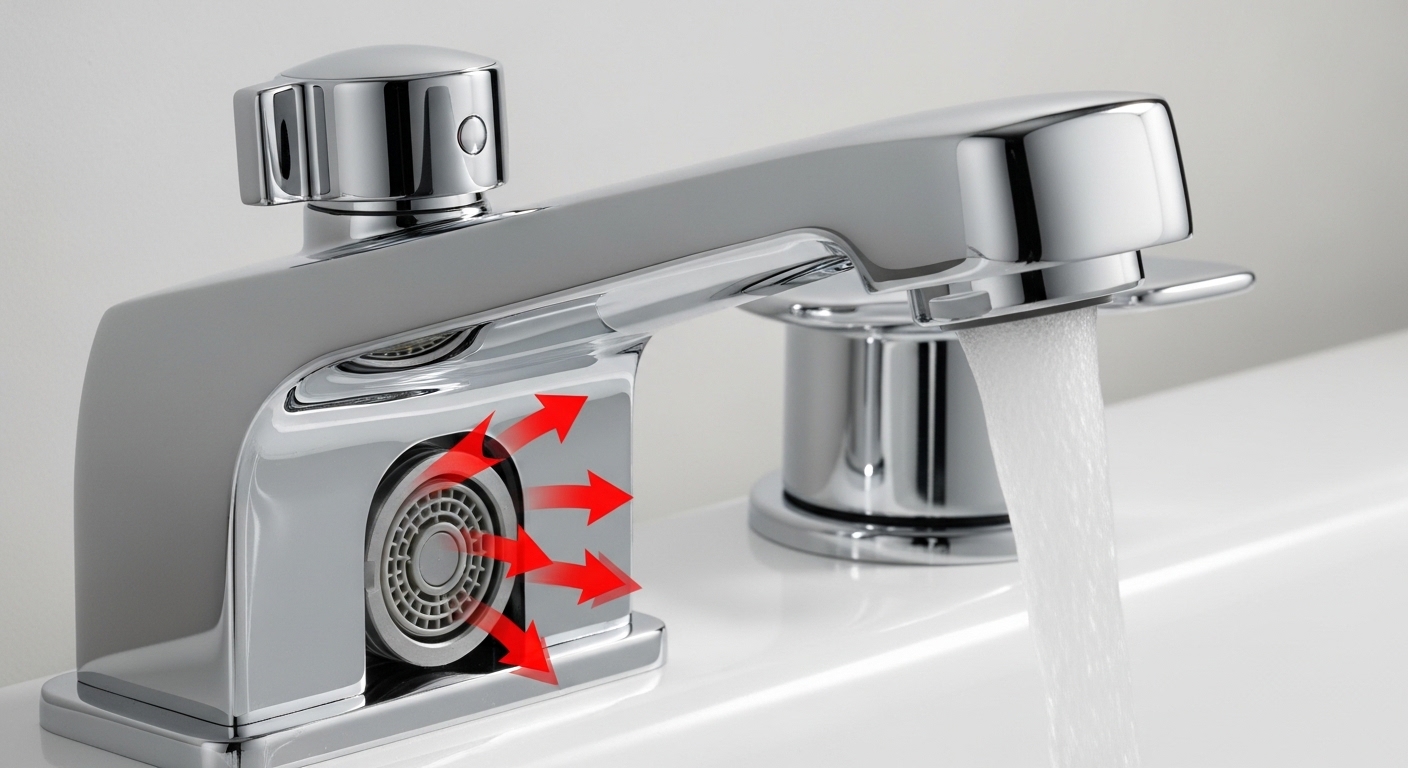
- Spout: Standard tub fillers move a lot of water — look for a flow rate around 8 to 12 GPM (gallons per minute) so a big soaking tub actually fills in a reasonable time. This is one spot where you do NOT want a water-saving aerator throttling you down.
- Handles: Two-handle (separate hot/cold) is the classic roman look; you blend temperature yourself. Some kits use lever handles, some use cross or knob handles — purely a style choice.
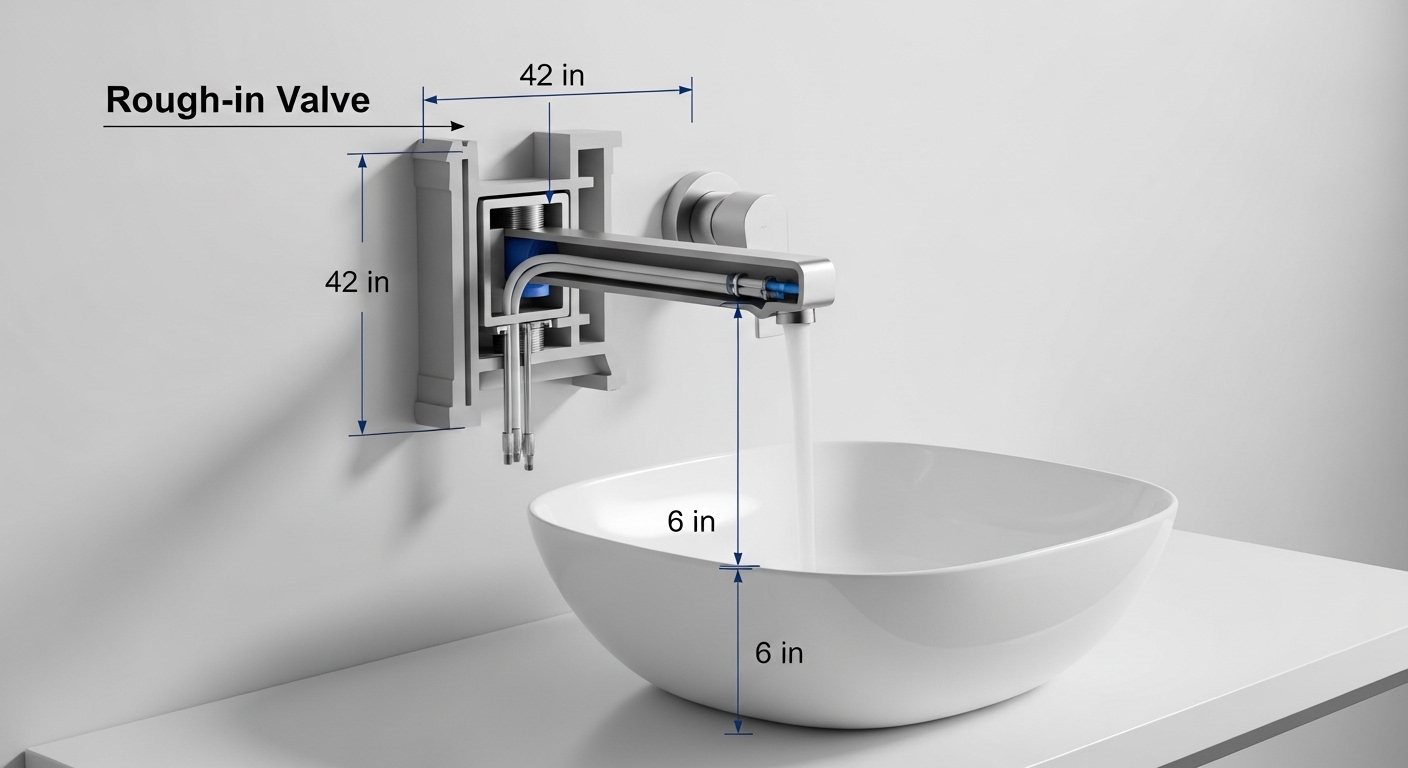
- Rough-in valve body: The unglamorous brass block under the deck. It’s what your plumber connects the supply lines to, and it holds the cartridges that actually open and close the water.
- Deck plates, gaskets, and mounting nuts: These clamp each fitting to the deck and seal against water sneaking underneath.
Do you really need the rough-in valve, or can you reuse the old one?
You need a rough-in valve that matches your trim — and you generally should not assume your old one will work. The valve body and the trim are engineered as a pair: the handle stems, the cartridge type, and the spout connection all have to line up. Mixing a new spout onto a mystery valve from a different brand or a decade ago is the number one reason people end up with drips, cross-threading, or a spout that won’t seat flush.
The one exception: if you’re replacing trim on the exact same model line and the rough-in is in good shape, some manufacturers sell trim-only kits meant to drop onto their existing valve. That’s a deliberate, matched upgrade — not a gamble. If you don’t know what’s under your deck, buy the complete kit. It’s cheaper than paying a plumber to diagnose an orphaned valve and then order parts anyway.
While we’re on valves: if your project also touches a shower, the rough-in height and position matter just as much there. Our guide on the right walk-in shower valve rough-in height is worth a read if the tub and shower share a wall, because getting the rough-in placement wrong is expensive to fix after tile goes up.
How do I know if a roman tub faucet kit will fit my tub?
Measure three things before you buy: the number and spacing of the deck holes, the deck thickness, and the spout reach and height. Get those right and installation is straightforward; get them wrong and you’re drilling porcelain or returning parts.
Hole spacing is the big one. Most roman tub kits are designed for a “widespread” layout where the handles sit 8 to 16 inches apart, center to center, with the spout in between or offset. If your tub already has holes drilled, measure their center-to-center distance and match a kit to it. If you’re drilling a fresh deck (common with a tiled surround or a solid-surface deck), you have freedom — but confirm your deck material can be drilled cleanly. Acrylic and solid surface drill easily; cast iron and heavy stone need the right bit and a steady hand.
Deck thickness matters because the mounting studs and threaded shanks have a maximum grip range — often around 2.5 inches. A thick stone or double-layered deck can exceed that, leaving the nuts unable to bite. Check the kit’s spec sheet for “maximum deck thickness.”
Spout reach — how far the water lands from the base — decides whether you fill the tub or splash the rim. For a wide tub, you want a spout that reaches out over the water, not one that dribbles straight down onto the edge. If you also want to fill or rinse with a wand, look for a kit with an integrated hand shower and diverter. And if part of your reason for a deck filler is retrofitting an existing tub, our explainer on what a bathtub faucet adapter is and which one you need covers the connector side of the job.
Roman tub faucet vs. wall-mount vs. freestanding filler — which do I buy?
Choose a roman (deck-mount) tub faucet kit when your tub has a wide, flat rim or a surrounding deck; choose a wall-mount when the plumbing runs through the wall behind the tub; and choose a floor-mount freestanding filler when the tub stands alone in the middle of the room. The right pick is dictated mostly by where your water lines already run and what kind of tub you have.
| Type | Mounts on | Best for | Typical holes / rough-in | Install difficulty |
|---|---|---|---|---|
| Roman tub faucet kit (deck-mount) | Flat tub rim or tiled deck | Drop-in tubs, tubs with a wide rim | 3–4 deck holes + under-deck valve | Moderate — access under the deck needed |
| Wall-mount tub filler | Wall above the tub | Alcove tubs, tubs against a wall | In-wall valve, rough-in before tile | Hard — open wall / pre-tile work |
| Freestanding floor filler | Floor beside the tub | Standalone soaking tubs in open space | Floor rough-in, tall riser | Hard — floor plumbing + bracing |
| 3-handle tub/shower set | Wall | Combined tub + shower valves | 3 in-wall stems | Hard — in-wall |
If you’re weighing a deck filler against a wall setup because you also want a shower, it’s worth understanding the older combined valve style first. Our breakdown of what a bathtub faucet set with 3 handles is and whether to still buy one in 2026 explains where those make sense and where a clean two-handle roman kit is the better modern choice.
What finishes and materials should I look for in a quality kit?
Look for a solid brass valve body and spout with a durable finish like brushed nickel, matte black, chrome, or brushed gold — and check that the finish is rated against tarnishing and corrosion, not just painted on. The material under the finish is what determines whether the kit lasts 15 years or starts weeping at a threaded joint after two.
Brass is the standard for good reason: it resists corrosion, threads cleanly, and holds a finish. Cheaper kits use zinc alloy (sometimes called “pot metal”) for handles or the spout body — it’s fine for low-stress parts but can crack over time under repeated torque, especially at the handle bases. For the wetted, pressurized parts — the valve body and spout — insist on brass.
Finish is about both looks and durability. Physical Vapor Deposition (PVD) finishes are far more scratch- and tarnish-resistant than electroplated ones, which matters on a tub deck where you’ll set down bottles, jewelry, and the occasional dropped showerhead. If your home has hard water, the finish also affects how much scale shows; matte and brushed finishes hide water spotting better than polished chrome. If spotting is already a battle in your bathroom, our tips on removing hard water stains without scratching the finish apply directly to tub fillers too.
- Valve body: Solid brass, ceramic-disc cartridges (they outlast rubber-washer designs and rarely drip).
- Spout: Solid brass, high flow (8+ GPM), reach that clears the tub interior.
- Handles: Metal, not plastic; smooth quarter-turn or blended two-handle operation.
- Finish: PVD or equivalent, backed by a finish warranty.
- Hardware: Included gaskets and mounting nuts sized to your deck thickness.
How hard is it to install a roman tub faucet kit yourself?
Installing a roman tub faucet kit is a moderate DIY job — realistically two to four hours if you have under-deck access and the holes are already drilled — but it requires you to reach beneath the tub deck, which is the part that stops many people. If your tub deck is enclosed with no access panel, that changes the job from “confident DIYer” to “call a plumber,” because you can’t tighten the mounting nuts or connect the supply lines blind.
The basic sequence: shut off the water, mount the rough-in valve body under the deck, drop the spout and handle shanks through their holes with gaskets seated, tighten the mounting nuts from below, connect the flexible supply hoses to hot and cold, then turn the water on and check every joint for weeping before you install the decorative trim caps. Always flush the lines before final assembly so grit doesn’t score the new cartridges.
A few gotchas worth knowing: if a handle or spout won’t sit flush, it’s almost always a gasket that shifted or a deck hole that’s slightly out of round — don’t overtighten to force it, because that’s how you crack a zinc handle base or a fixture with no set screw locks up on you. Speaking of which, if you’re pulling an old spout off first, the removal step surprises people; our guide on dealing with a tub spout that has no set screw is the fastest way to avoid stripping the old fitting.
How long does a roman tub faucet kit last, and what should the warranty cover?
A quality roman tub faucet kit should last 15 to 20 years or more, and a good warranty covers the finish and the cartridge for the life of the original owner in residential use. If a kit only offers a one-year warranty, treat that as a signal about the maker’s own confidence in the parts.
The parts that fail first are almost always the cartridges (from grit or mineral buildup) and the finish (from cheap electroplating). That’s why the warranty language matters more than the sticker price. Look for a manufacturer that separately warranties the finish and the working parts, tests to recognized plumbing standards, and stocks replacement cartridges you can actually buy years later. A faucet you can’t get a $12 cartridge for is a faucet you’ll be replacing whole.
FAQ
Is a roman tub faucet the same as a deck-mount tub filler?
Yes — “roman tub faucet” and “deck-mount tub filler” describe the same thing: a faucet that mounts on the flat rim or deck surface of the tub rather than the wall or floor. The name “roman tub” traditionally refers to the wide-rimmed, drop-in tub style these fillers were designed for.
How many holes does a roman tub faucet kit need?
Most kits need 3 holes — one for the spout and one for each of the two handles — spaced roughly 8 to 16 inches apart center to center. A 4-hole kit adds a separate hole for an integrated hand shower or a diverter. Always match the kit’s hole count to your existing deck, or plan your drilling around the kit you buy.
Can I use a roman tub faucet on a freestanding tub?
Only if the freestanding tub has a flat deck or rim wide enough to drill and mount the spout and handles. Many freestanding soaking tubs have no deck at all, in which case you need a floor-mounted freestanding filler instead. Check that your tub has a mounting surface at least a few inches wide before choosing a deck-mount kit.
Why is my new roman tub faucet flow so weak?
Weak flow after installing a new tub filler usually comes from debris caught in the cartridges during install, a partially closed supply valve, or an aerator restricting a fixture that shouldn’t have one. Flush the lines before final assembly, confirm both shutoffs are fully open, and remember tub fillers are meant to run high-flow — if yours came with a low-flow aerator, that’s the culprit. For a broader diagnosis, see our guide on why you get low water pressure from a faucet and how to fix it.
Do I need a plumber, or can I install a roman tub faucet kit myself?
If your tub deck has an access panel or open underside and the holes are drilled, a confident DIYer can do it in a few hours. You’ll want a plumber if the deck is fully enclosed (no way to reach the mounting nuts and hoses), if you need new holes drilled in cast iron or stone, or if you’re also rerouting supply lines. When in doubt, the under-deck access question is the deciding factor.
What’s the difference between the trim and the rough-in valve?
The trim is everything you see and touch — the spout, handles, and decorative caps. The rough-in valve is the brass body under the deck that connects to your water lines and holds the cartridges. A complete kit includes both, matched to work together; buying trim alone assumes you already have a compatible rough-in in place.
The bottom line
A roman tub faucet kit is the right choice when your tub has a deck or wide rim to mount on, and in almost every case you want the complete kit — matched trim plus rough-in valve — rather than gambling on mismatched parts. Prioritize a solid brass valve and spout, ceramic-disc cartridges, a high-flow spout that reaches over the tub, a durable PVD-style finish, and a warranty that separately backs the finish and the working parts. Measure your hole spacing, deck thickness, and desired spout reach before you order, confirm you can access the underside of the deck, and you’ll have a filler that looks great and runs strong for the better part of two decades.
Author note: This guide was written by the WOWOW product content team and reviewed against the specs our engineers use when validating deck-mount tub fillers. WOWOW has manufactured faucets and bathroom fixtures for over a decade, pressure-tests every valve body before shipping, builds with solid brass and ceramic-disc cartridges, and backs its finishes and cartridges with a long-term warranty. Product designs are engineered to meet recognized North American plumbing standards for flow and lead-free content. Always confirm your specific tub’s measurements and local plumbing code before purchasing or installing.