 WOWOW Faucets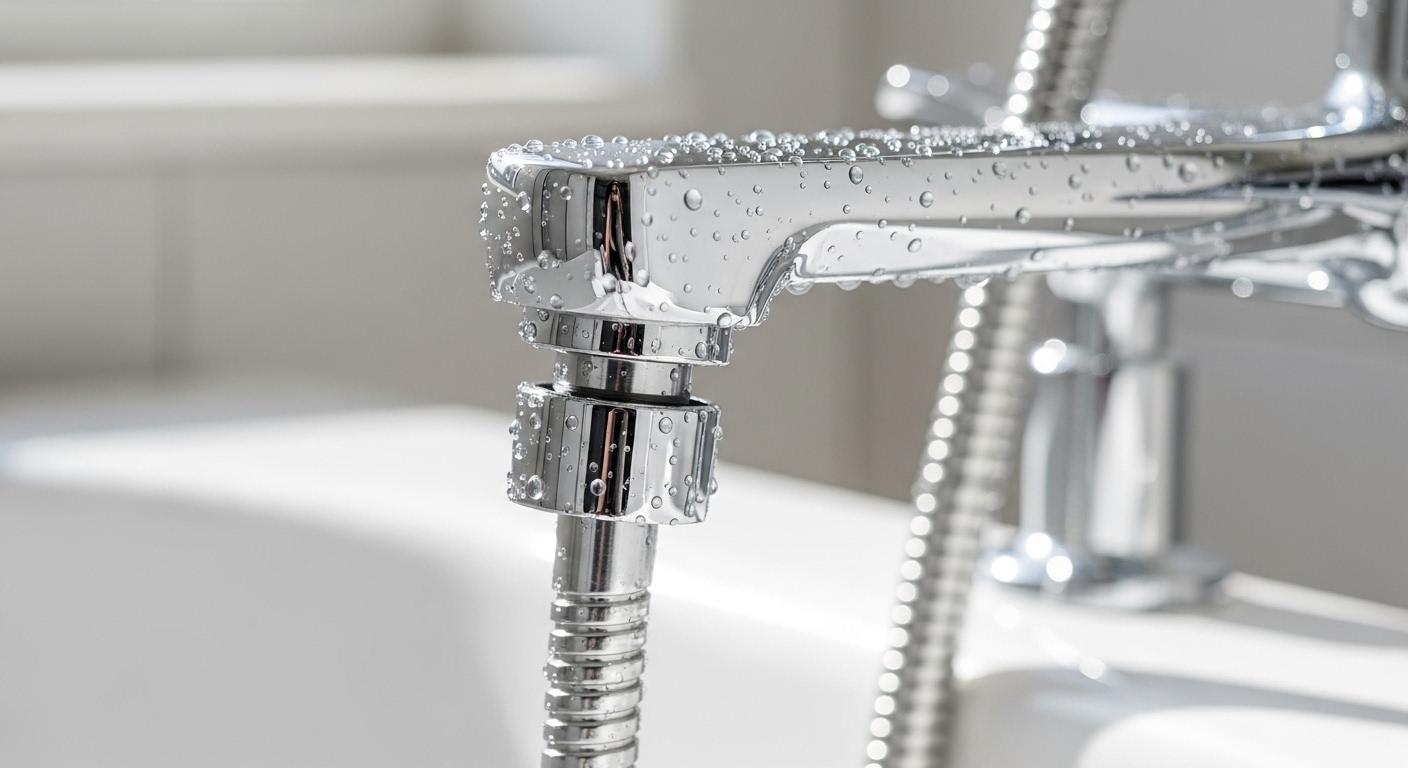
If you’ve ever stood in the tub trying to rinse shampoo out of your hair with a cup, you already know why a bathtub faucet adapter exists. It’s the cheap, five-minute fix that turns a plain tub spout into something far more useful — a connection point for a handheld shower, a pet-washing hose, a bidet sprayer, or an inline filter. But the reason people get frustrated with these adapters isn’t the idea; it’s the fit. Buy the wrong thread or the wrong spout style and it either won’t screw on at all or it drips everywhere. This guide walks you through exactly what these adapters are, how to measure for one, which type fits your setup, and how to pick one that lasts.
What does a bathtub faucet adapter actually do?
A bathtub faucet adapter converts your tub spout’s outlet into a standard hose or shower connection. In plain terms: your tub spout only pours water straight down into the tub. An adapter gives it a threaded port (usually a standard 1/2″ or garden-hose thread) so you can screw on a handheld shower hose, a sink-to-shower rinse hose, a sprayer, or a filter cartridge — then divert water to it instead of into the tub.
There are two big families here. The first threads onto the front tip of the spout where an aerator or nozzle would go. The second clamps around a smooth, spoutless “slip” spout that has no threads at all. Which family you’re in decides everything, so we’ll cover measuring next — but the payoff is the same: you get a shower or sprayer in a tub-only bathroom without cutting into the wall or hiring a plumber.
- Rinse hair, kids, and pets with a handheld sprayer instead of scooping water.
- Add a shower to a shower-less tub in a rental where you can’t renovate.
- Attach a filter to soften or dechlorinate water for sensitive skin.
- Connect a hose for cleaning the tub, filling buckets, or a portable bidet.
How do I know which bathtub faucet adapter fits my tub spout?
Start by looking at the very front tip of your tub spout. If you see threads (like the inside of a bottle cap), you have a threaded spout and can use a screw-on adapter. If the tip is smooth and rounded with no threads, you have a slip-fit spout and need a clamp-on or diverter-style adapter instead. This single check saves most people a return.
Next, measure the thread size and gender. Grab a tape measure and check the diameter across the opening:
- Female threads inside the spout tip (adapter screws in): commonly 1/2″-14 NPS or a metric equivalent. You’ll want a male-threaded adapter.
- Male threads on the outside of the tip (adapter screws over it): the adapter needs female threads. Outer diameter is often around 3/4″.
- Garden-hose thread (GHT, 3/4″-11.5): some tub spouts and most utility connections use this. Handheld and hose kits love this size.
If measuring threads feels fiddly, you’re not alone — thread pitch and gender trip up a lot of buyers. It’s the same skill that matters when sizing any small fitting, and our deep-dive on bar tap thread sizes breaks down how to read male vs. female and NPS vs. GHT with a caliper if you want the full walkthrough. When in doubt, unscrew the aerator or existing tip and bring it to the store, or photograph it next to a ruler.
Threaded vs. clamp-on vs. diverter adapters — which type should I buy?
Buy a threaded adapter if your spout has threads, a clamp-on adapter if it’s a smooth slip spout, and a diverter adapter if you want to switch between the tub filler and a handheld without disconnecting anything. Here’s how the main types stack up so you can match one to your exact situation and budget.
| Adapter type | Fits which spout? | Best for | Typical price | Install difficulty |
|---|---|---|---|---|
| Screw-on threaded adapter | Threaded spout tip (1/2″ or 3/4″) | Handheld showers, filters, sprayers | $6–$15 | Very easy (hand-tight) |
| Clamp-on / slip adapter | Smooth slip-fit spout, no threads | Rentals, older tubs with plain spouts | $10–$20 | Easy (rubber gasket + clamp) |
| Diverter tub spout adapter | Replaces spout; pulls up to divert | Permanent handheld shower setup | $18–$40 | Moderate (swap the spout) |
| Faucet-to-hose (GHT) adapter | Threaded spout to garden-hose thread | Cleaning hoses, pet/bidet sprayers | $7–$14 | Very easy |
| Quick-connect / snap adapter | Any threaded spout | Frequently swapping attachments | $9–$18 | Very easy |
A clamp-on is the go-to for renters because it doesn’t touch the spout permanently — a rubber gasket seals against the smooth spout and a metal or plastic clamp holds a hose barb in place. A diverter spout adapter is the cleaner long-term answer: you replace the whole spout with one that has a pull-up knob, and that knob decides whether water flows out the tub filler or up to your handheld. If you want a handheld shower to be a permanent fixture, the diverter route is worth the extra effort.
Can I connect a handheld shower to a tub faucet with an adapter?
Yes — connecting a handheld shower to a tub faucet is the single most common reason people buy a bathtub faucet adapter, and for a threaded spout it’s genuinely a five-minute job. You screw the adapter onto the spout, thread the shower hose onto the adapter, mount the handheld on a bracket or suction hook, and you’re done. No wall work, no plumber.
The catch is water pressure and diversion. A plain screw-on adapter usually sends water to the handheld only when there’s a diverter somewhere in the line — either a small pull-tab on the adapter itself or a valve on the hose. Without one, water can weep out of the tub spout at the same time. So when you shop, look specifically for an adapter or handheld kit that includes a built-in diverter. If you want the full breakdown of complete kits, brackets, and hose lengths, our guide to the best handheld shower head that connects to a tub faucet compares real setups end to end and tells you which ones ship with everything you need.
Why is my bathtub faucet adapter leaking, and how do I fix it?
A leaking adapter almost always comes down to one of three things: a missing or worn washer, threads that aren’t fully seated, or too much diverted pressure escaping past the spout. The good news is all three are quick fixes you can do without tools.
- Check the rubber washer or O-ring. Every threaded adapter needs a flat washer inside to seal metal against metal. If it’s missing, torn, or the wrong size, water sneaks past. Replace it with a matching washer — a $2 bag from the hardware store fixes most leaks.
- Wrap the threads with PTFE tape. Two or three clockwise wraps of plumber’s (Teflon) tape on the male threads gives a snug, drip-free seal. Don’t overwrap — you’ll strain the fitting.
- Hand-tighten, then a quarter turn. Over-tightening cracks plastic adapters and distorts washers. Snug it by hand, then nudge a quarter turn with pliers if it still weeps.
- Confirm the diverter is doing its job. If water still dribbles from the tub spout while the handheld runs, the diverter isn’t fully engaging. That’s a diverter problem, not an adapter problem.
If that last point is your issue, the diverter valve — not the adapter — is the real culprit, and it has its own fixes. Our walkthrough on a new diverter valve not working covers why brand-new diverters sometimes fail to seal and how to get full flow to your handheld. And if you’re chasing drips from other fittings on the same line, the broader faucet extension adapter guide shows how gaskets and thread tape stop leaks across almost any adapter type.
What material and finish should a good tub adapter be?
For anything that stays connected long-term, choose solid brass with a chrome or brushed-nickel finish; save plastic adapters for temporary or occasional use. Brass resists corrosion, handles hot water without warping, and holds threads far better than ABS plastic, which can crack after months of tightening and heat cycling.
Finish matters for looks and durability. Here’s the quick logic:
- Chrome — the default; matches most tub spouts, easy to clean, budget-friendly.
- Brushed nickel — hides water spots and fingerprints, pairs with warmer bathrooms.
- Matte black / bronze — for design-forward setups; make sure the whole hardware set matches.
- Stainless / brass-core — best corrosion resistance in hard-water regions.
If your home has hard water, prioritize a corrosion-resistant core and a smooth internal bore — mineral buildup clogs cheap adapters fast. It’s the same limescale that clogs sprayers and shower heads, and the same cleaning routine applies; our guide on how to clean a clogged sink shower head works just as well on a mineral-crusted adapter (a warm white-vinegar soak dissolves the scale in about an hour).
How do I install a bathtub faucet adapter step by step?
For a threaded spout, installation takes about five minutes and needs no tools beyond your hands and maybe a rag. For a slip spout, add a screwdriver for the clamp. Here’s the full sequence.
- Turn off nothing. You don’t need to shut the main water — the adapter attaches at the outlet, and no water flows until you open the tub valve.
- Clean and inspect the spout tip. Wipe away old grime and remove any existing aerator or worn washer.
- Confirm your thread match (male/female, size) from the measuring step above.
- Wrap threads with PTFE tape — two to three clockwise turns on male threads.
- Hand-thread the adapter on clockwise until snug. For a slip spout, seat the rubber gasket and tighten the clamp evenly.
- Attach your hose, handheld, or filter to the adapter’s outlet.
- Test at low flow first. Open the tub valve gently, watch for drips at the threads, and engage the diverter to send water to the attachment.
Bathtub faucet adapter vs. replacing the whole spout — which is smarter?
If you rent or want a reversible fix, use an adapter; if you own the home and want a permanent handheld shower, replacing the spout with a diverter model is the cleaner, more reliable choice. An adapter is cheaper and faster, but it adds a joint that can leak and a bit of clutter at the spout tip. A diverter spout integrates the whole thing and looks factory-clean.
Think about how often you’ll use it. Occasional pet baths or the odd hair rinse? An $8 screw-on adapter is perfect. Daily showering in a tub-only bathroom? Spend the extra $20–$30 on a diverter spout so you’re not fighting a temporary fitting every day. Either way, a quality bathtub faucet adapter from a reputable brand with a real warranty beats a no-name part that strips its threads in a season.
Author note & why trust this guide
This guide was written by the WOWOW Faucet product team — the same people who design, pressure-test, and finish our tub spouts, adapters, and handheld shower kits. Every fitting we ship is bench-tested against standard water-pressure and thread-tolerance checks, and our brass-core adapters are built to meet common North American plumbing thread standards (NPS/GHT) so they seat correctly the first time. WOWOW Faucet backs its fixtures with a manufacturer warranty and a responsive support team, because a $10 part that leaks costs you far more than it saves. We test the parts we recommend, and we tell you when a plain adapter isn’t the right call and a diverter spout is.
FAQ
What size is a standard bathtub faucet adapter?
Most threaded tub spout outlets are 1/2″-14 NPS (female inside) or roughly 3/4″ outer diameter (male outside), and many hose adapters step down or up to 3/4″-11.5 garden-hose thread. Measure across your spout opening and note whether the threads are inside or outside before buying.
Can I put a shower head on a bathtub faucet without an adapter?
Not directly — a tub spout and a shower head use different connections. You need either a threaded adapter with a built-in diverter or a diverter tub spout that redirects water up to a handheld shower on a hose. A fixed overhead shower head still requires a shower arm, which a tub spout doesn’t provide.
Why does water still come out of the tub spout when I use my handheld?
That means the diverter isn’t fully engaging. Some water bleeding out is normal on cheap adapters, but a heavy stream points to a worn diverter washer or a valve that won’t seat. Cleaning or replacing the diverter usually restores full pressure to the handheld.
Are plastic bathtub faucet adapters any good?
Plastic (ABS) adapters are fine for temporary or light use, but they crack under repeated tightening and hot water over time. For anything you’ll leave connected, choose a solid-brass adapter with a chrome or brushed-nickel finish — it seals better and lasts years longer.
Will a bathtub faucet adapter fit any tub?
No single adapter fits every tub. Threaded spouts need screw-on adapters, while smooth slip-fit spouts need a clamp-on style. Always identify your spout type and thread size first — that’s the number-one reason adapters get returned.
Can I connect a filter or bidet sprayer to my tub faucet with an adapter?
Yes. A threaded or garden-hose adapter lets you attach an inline water filter, a portable bidet, or a rinse sprayer to your tub spout. Just match the adapter’s outlet thread to the filter or sprayer’s inlet, and add a diverter if you want to switch flow on and off without disconnecting.
\n
Related Guides
\n
- \n
- What are The Different Types of Bathroom Faucets
- Best White Kitchen Faucets – Buying Guide & Reviews
- The Best Faucet Brands to Consider in 2026
- What is The Standard Size Hole for A Kitchen or Bathroom Faucet
\n
\n
\n
\n
\n