 WOWOW Faucets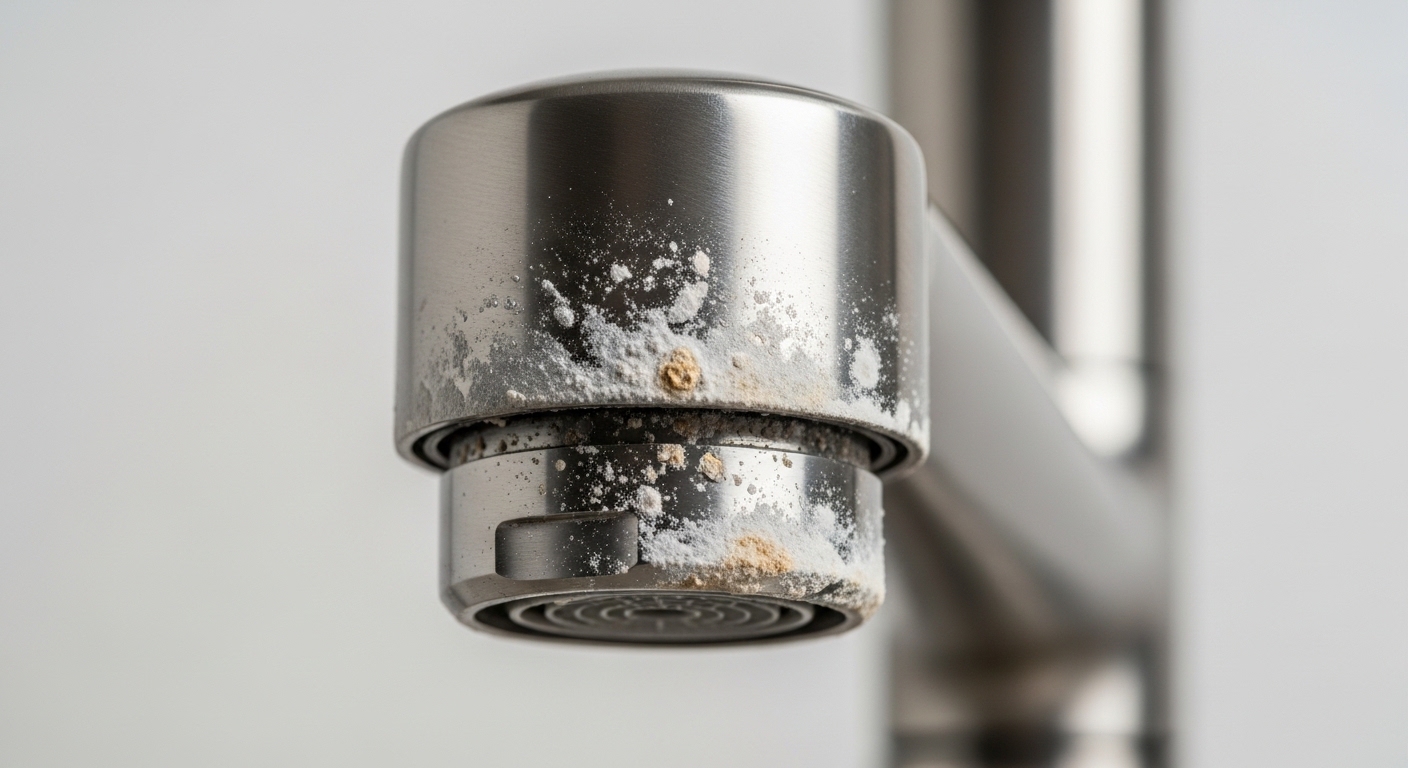
If you’re staring at those chalky white streaks and cloudy spots and wondering how to get rid of hard water stains on a stainless steel faucet for good, here’s the honest answer: they wipe off easily with a mild acid, but they’ll keep coming back until you deal with the water and the drying habit that create them. The stains themselves aren’t rust or damage — they’re dried mineral deposits left behind every time hard water evaporates on the metal. Below, I’ll walk you through exactly how to remove them, what never to touch your faucet with, and how to stop them from returning, the same way I’d explain it standing at your sink.
What actually causes hard water stains on a stainless steel faucet?
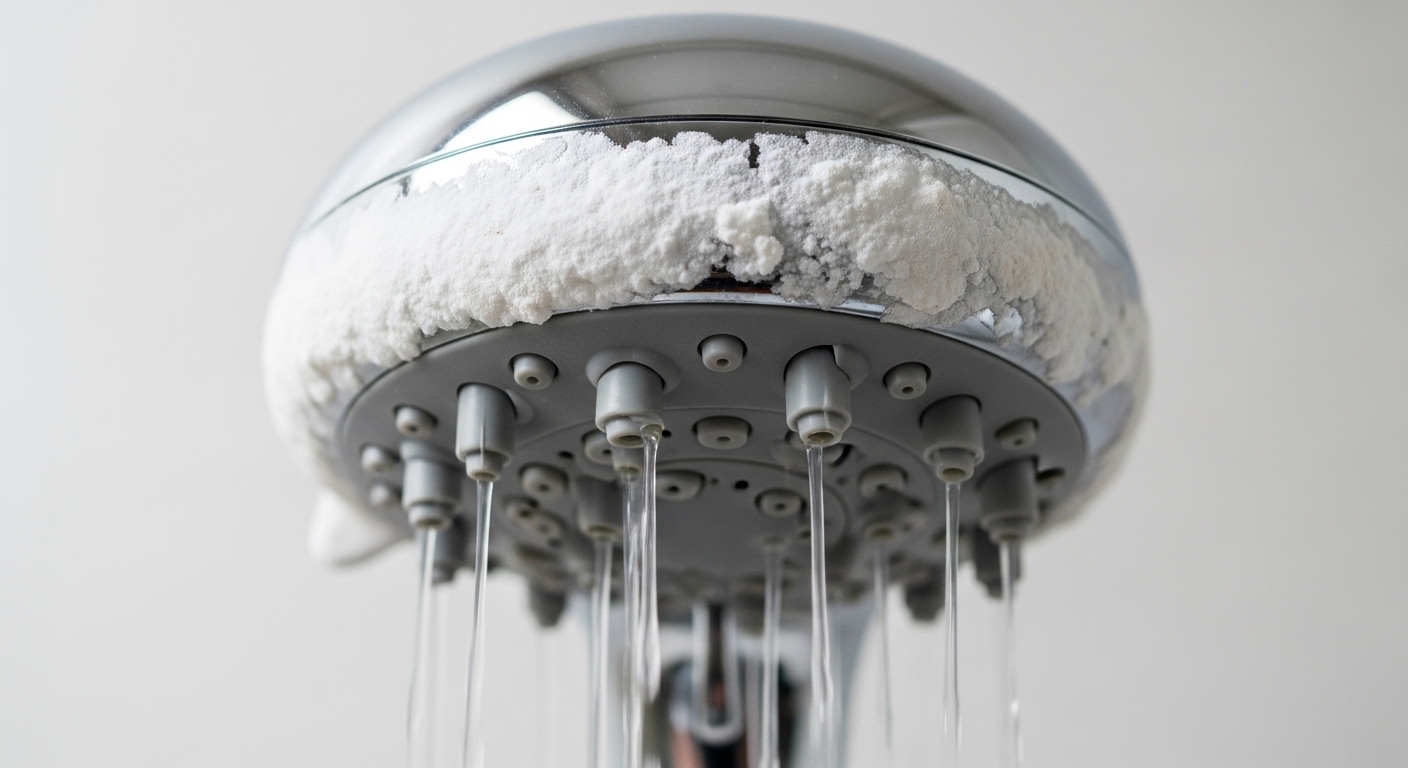
Hard water stains are mineral deposits — mostly calcium carbonate and magnesium — that get left behind when hard water dries on the faucet. The water evaporates; the dissolved minerals don’t. Over days and weeks they build into that white, crusty, cloudy film you see around the base, the spout, and the aerator.
“Hard” water simply means water with a high dissolved-mineral content. In the U.S., water hardness is measured in grains per gallon (gpg) or parts per million (ppm). Anything above about 7 gpg (roughly 120 ppm) is considered hard, and large swaths of the country — Arizona, Texas, Utah, Indiana, Florida — sit well above that. The harder your water, the faster the scale builds and the more stubborn it gets.
Two things matter for your faucet specifically. First, stainless steel doesn’t rust the way people fear, but the mineral film dulls its shine and can etch into the finish if it’s left for months. Second, the same scale that clouds the outside also clogs the inside — the aerator screen and spray head — which is why a stained faucet often has weak or splitting water flow too.
What’s the fastest way to remove hard water stains from a stainless steel faucet at home?
The fastest, safest method is a plain white vinegar soak. Vinegar is a mild acetic acid, and mineral scale is alkaline — the acid dissolves the deposit chemically, so you barely have to scrub. Most household stains lift in 15–30 minutes.
Here’s the step-by-step I use and recommend:
- Grab distilled white vinegar (5% acidity, the cheap kind). Don’t dilute it for tough stains.
- Soak a paper towel or microfiber cloth in the vinegar until it’s dripping.
- Wrap it around the stained areas — the spout, base, and handle. Contact is everything; the vinegar has to sit on the scale, not run off. For the base, mold the towel around it.
- Wait 15–30 minutes. For heavy crust, re-wet the towel halfway through so it doesn’t dry out.
- Scrub gently with a soft-bristle toothbrush or a microfiber cloth, following the grain on brushed finishes.
- Rinse thoroughly with clean water — leftover acid can dull the finish over time.
- Dry completely with a clean microfiber towel. This last step is the one everyone skips, and it’s the whole ballgame for preventing the stains from returning.
For the aerator (the screw-on tip where water exits), unscrew it and drop it into a small cup of vinegar for 30 minutes to an hour, then rinse and reattach. If it’s badly clogged, a soft brush clears the loosened scale from the screen. If you’re not sure what that part even is or how it affects your flow, our guide on what a faucet aerator for a kitchen sink actually does breaks it down.
What if vinegar doesn’t work — how do I remove really stubborn or old hard water stains?
If a vinegar soak barely touches years-old scale, escalate to a baking soda paste or a dedicated citric-acid cleaner — but do it in stages, and never jump to abrasives. Old, thick deposits sometimes need two passes and a little patience rather than more muscle.
Escalation order, gentlest first:
- Longer vinegar soak: Extend contact time to a full hour and re-wet the towel. Time does more than force with mineral scale.
- Baking soda paste: Mix baking soda with a little water into a paste, apply to the spot, let it sit a few minutes, and rub gently with a microfiber cloth along the grain. It’s a very mild abrasive — safe on stainless when used softly, and it neutralizes odor too. Don’t press hard.
- Lemon juice or citric acid: Fresh lemon juice or a citric-acid powder dissolved in warm water is stronger than vinegar on calcium and smells better. Same soak-and-rinse routine.
- A dedicated stainless / lime-scale cleaner: Commercial products like Bar Keepers Friend (used as a soft paste, not scrubbed dry) or CLR are formulated for exactly this. Always follow the label, spot-test first, and rinse fully.
The one rule that never changes: work the mineral chemistry (acid dissolves scale) instead of grinding at it. Grinding scratches; dissolving doesn’t.
Which cleaner should I use? A quick comparison
| Method | Best for | Contact time | Cost | Scratch risk |
|---|---|---|---|---|
| White vinegar | Everyday to moderate scale | 15–30 min | Very low | None |
| Lemon juice / citric acid | Moderate calcium buildup | 20–40 min | Low | None |
| Baking soda paste | Spot deposits, gentle polish | 5–10 min | Very low | Very low (rub softly) |
| Bar Keepers Friend | Stubborn, aged scale | Per label | Low | Low (use as wet paste) |
| CLR / lime-scale remover | Heavy, neglected buildup | Per label | Medium | Low (spot-test first) |
What should I never use on a stainless steel faucet?
Never use steel wool, scouring pads, bleach, abrasive scouring powders, or anything with chloride on a stainless steel faucet. These either scratch the finish permanently or corrode the protective chromium-oxide layer that makes stainless “stainless” in the first place.
Here’s why each one is a problem:
- Steel wool and scouring pads: They leave micro-scratches you can’t buff out, and — worse — tiny steel particles embed in the surface and rust, creating orange spots that look exactly like the faucet is rusting from within.
- Bleach and chlorine cleaners: Chloride attacks stainless steel’s passive layer and can cause pitting corrosion. That’s real, irreversible damage, not a stain.
- Abrasive powders (dry Comet, Ajax scrubbed dry): Fine for enameled cast iron, terrible for a satin or polished stainless finish.
- Ammonia-based glass cleaners on brushed finishes: They can leave streaks and, over time, dull the surface.
If your faucet is a specialty finish rather than plain stainless — say oil-rubbed bronze or matte black — the rules are even stricter, because those are coatings over the base metal. Our comparison of an oil-rubbed bronze bathroom faucet explains why living finishes need gentler care. When in doubt, go acid-and-soft-cloth only.
How do I stop hard water stains from coming back?
The single most effective habit is drying the faucet after use. Hard water stains only form when mineral-laden water sits and evaporates — if you wipe the faucet dry, there’s nothing left to crystallize. Keep a microfiber cloth by the sink and it becomes a two-second reflex.
Layered prevention, from easiest to most permanent:
- Dry after use. A quick wipe after washing dishes or brushing teeth stops 90% of buildup.
- Wipe down weekly. A light vinegar-and-water wipe (50/50) once a week keeps scale from ever getting a foothold.
- Apply a wax or polish barrier. A thin coat of car wax or a dedicated stainless polish once a month makes water bead and roll off, so minerals don’t cling.
- Clean the aerator monthly. A quick vinegar soak keeps flow strong and prevents internal scale from splitting the stream.
- Treat the water itself. If your water is very hard (10+ gpg), a whole-house water softener or a point-of-use filter is the only true fix. It protects not just the faucet but your water heater, dishwasher, and pipes.
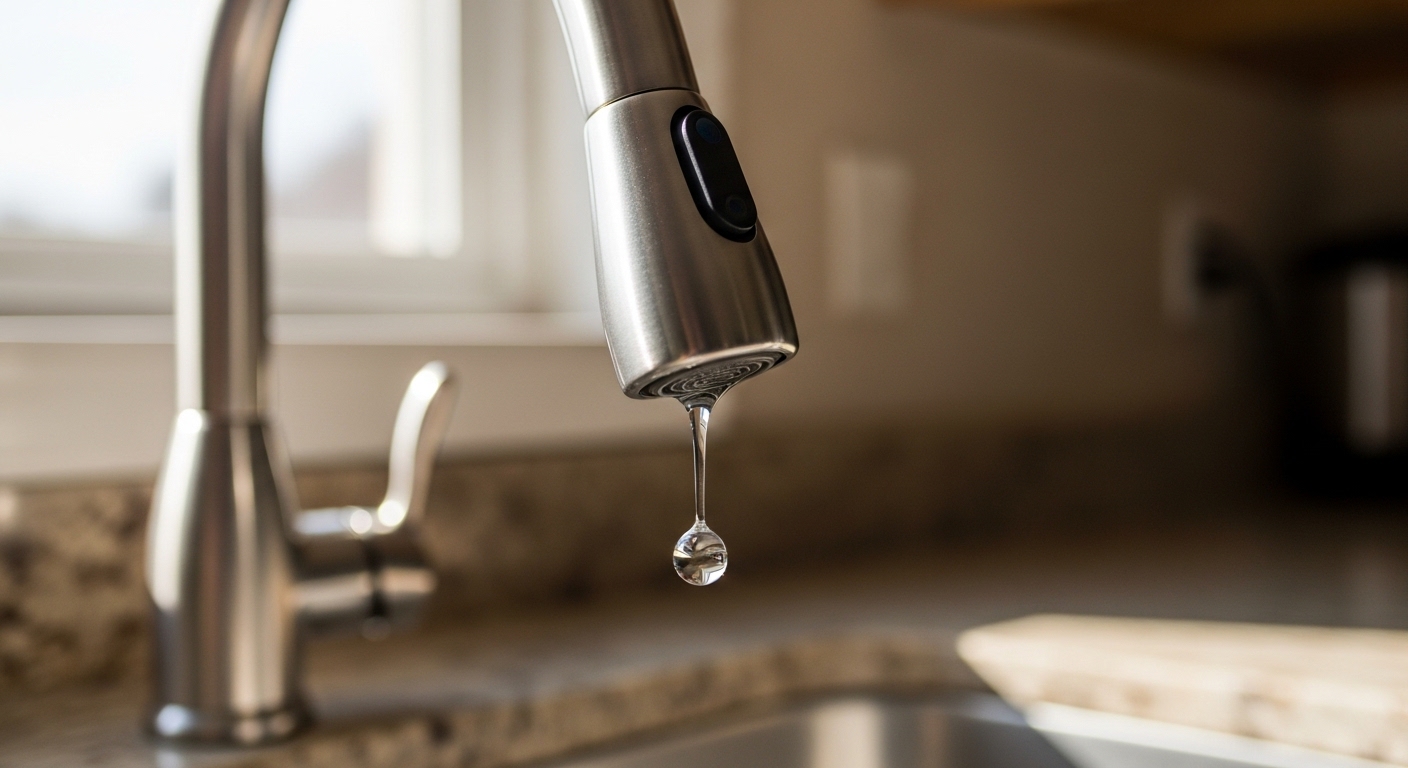
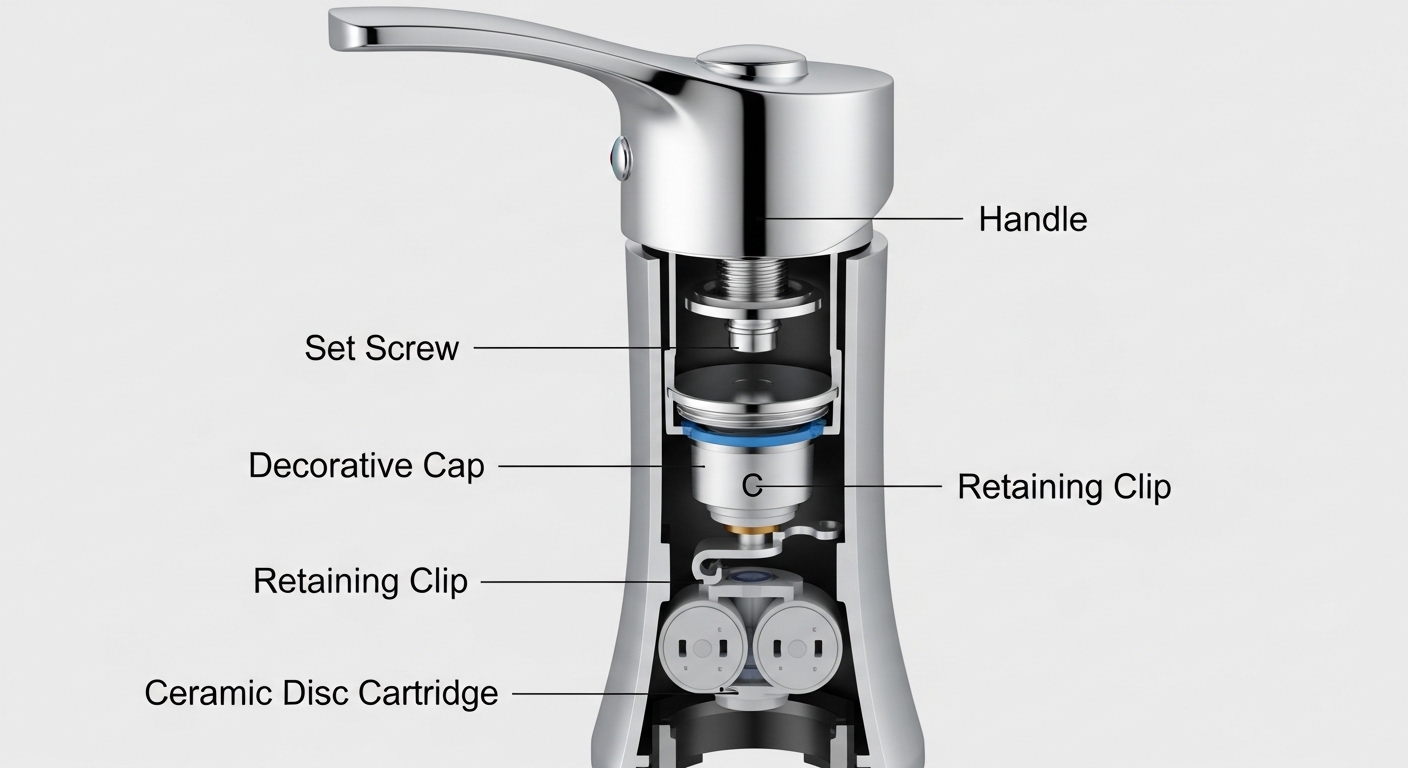
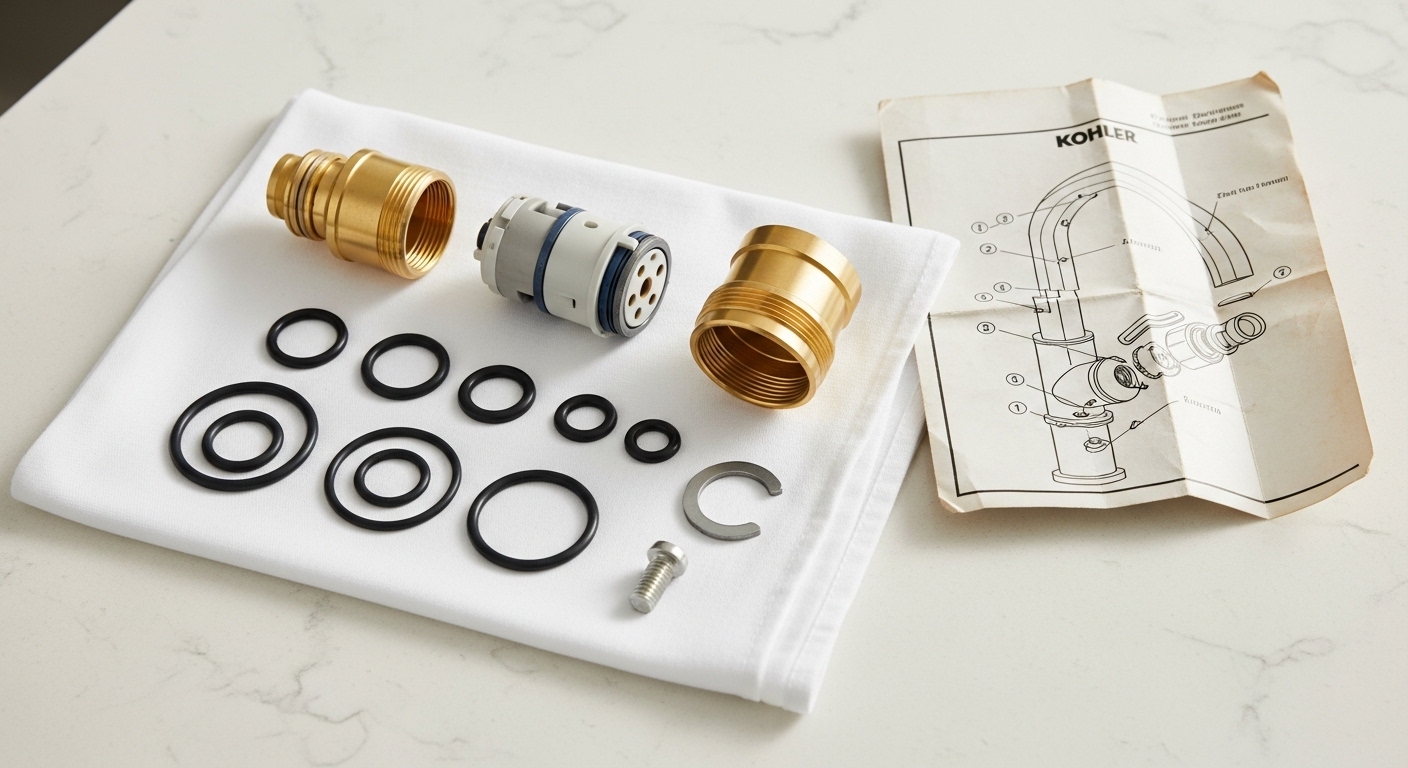
Worth knowing: hard water stress is one reason faucets eventually leak. Scale builds up on cartridges and washers just like it does on the spout, and a gritty cartridge starts dripping. If you’re already noticing a drip, our walkthroughs on why a single-handle kitchen faucet drips and how to fix it and fixing a leaky faucet cartridge handle will save you a plumber visit.
How often should I clean a faucet in a hard water area?
In a hard water area, wipe the faucet dry daily, do a light vinegar cleaning weekly, and a deep vinegar soak monthly. The harder your water and the busier the sink, the more the daily habit matters. A guest bathroom faucet used twice a week needs far less than a kitchen faucet running twenty times a day.
A simple rule of thumb by water hardness:
| Water hardness | Dry after use | Light clean | Deep soak |
|---|---|---|---|
| Soft (0–3 gpg) | Optional | Monthly | As needed |
| Moderate (3–7 gpg) | Recommended | Weekly | Every 1–2 months |
| Hard (7–10 gpg) | Yes, daily | Weekly | Monthly |
| Very hard (10+ gpg) | Yes, every use | 2× weekly | Monthly + consider softener |
Not sure how hard your water is? Cheap test strips cost a few dollars, or your local water utility publishes an annual water-quality report with the hardness number. Knowing your gpg tells you exactly how aggressive your cleaning schedule needs to be.
Does removing hard water stains damage the finish over time?
No — as long as you stick to acids and soft cloths, regular stain removal won’t harm a stainless steel faucet. Vinegar, lemon juice, and citric acid dissolve the minerals without touching the metal underneath. Damage comes from what you use, not how often you clean. The people who report “ruined” faucets almost always reached for steel wool or bleach.
That said, if scale has been left to etch into the surface for years, the finish may look slightly dull even after the deposits are gone. That’s the mineral having micro-pitted the surface, not your cleaning. It’s cosmetic, and a stainless polish restores most of the shine. It’s also a strong argument for catching stains early rather than letting them cement in place.
A note on quality faucets and hard water
Here’s something manufacturers don’t advertise: a well-made faucet resists hard water far better than a cheap one. Solid stainless steel and quality ceramic-disc cartridges shrug off mineral exposure, while thin plated finishes on budget faucets can flake, pit, and stain in a way no amount of vinegar fixes. If your current faucet stains no matter what you do — or the finish is already peeling — that’s often the faucet, not your cleaning routine. When it’s genuinely time to replace, it’s worth looking at construction and warranty, not just price; our roundup of the highest-rated kitchen faucets for 2026 is a good starting point.
FAQ
Can I use vinegar on a brushed stainless steel faucet?
Yes. Vinegar is safe on both brushed (satin) and polished stainless steel — it dissolves mineral scale without harming the metal. On brushed finishes, just scrub gently along the grain lines rather than in circles, and always rinse and dry afterward so no acid residue is left sitting on the surface.
Why does my faucet get water spots again the very next day?
Because the water, not the faucet, is the source. Every drop of hard water that dries leaves minerals behind, so unless you wipe the faucet dry after use or treat the water with a softener, fresh spots form constantly. Drying after each use is the fastest way to break the cycle.
Will hard water permanently ruin a stainless steel faucet?
Not usually. Stainless steel is corrosion-resistant, so hard water leaves surface stains rather than structural damage. Left for years, heavy scale can slightly etch and dull the finish, but the metal itself stays sound. Regular acid cleaning keeps it looking new indefinitely. Real damage comes from abrasive pads or chlorine bleach, not the water.
Is CLR or Bar Keepers Friend safe on stainless steel faucets?
Both are safe when used as directed — as a soft wet paste or diluted solution, with a full rinse afterward. They’re formulated for lime scale and stainless. The mistake is scrubbing them on dry or leaving them longer than the label says. Always spot-test an inconspicuous area first, especially on specialty or coated finishes.
How do I clean hard water buildup inside the faucet where the water comes out?
Unscrew the aerator at the tip of the spout and soak it in white vinegar for 30–60 minutes, then brush off the loosened scale and rinse. If the spout head doesn’t unscrew, tie a small bag of vinegar around it so the tip is submerged. This restores water flow and stops the stream from splitting or spraying sideways.
Does a water softener really stop faucet stains?
Yes — a water softener removes the calcium and magnesium that cause the stains, so they largely stop forming on every fixture in the house. It’s the most complete fix, though it’s an investment. For a single problem faucet, diligent drying and monthly vinegar cleaning get you most of the same result at almost no cost.
Author note: This guide was written by the WOWOW Faucet product team, drawing on hands-on testing of stainless steel and specialty-finish faucets in hard water conditions. WOWOW designs kitchen and bathroom faucets built to cUPC and NSF/ANSI standards, and backs its finishes and cartridges with a limited lifetime warranty — because a faucet should look good and flow strong for years, not months. Always check your specific product’s care instructions and warranty terms before using any commercial cleaner.