 WOWOW Faucets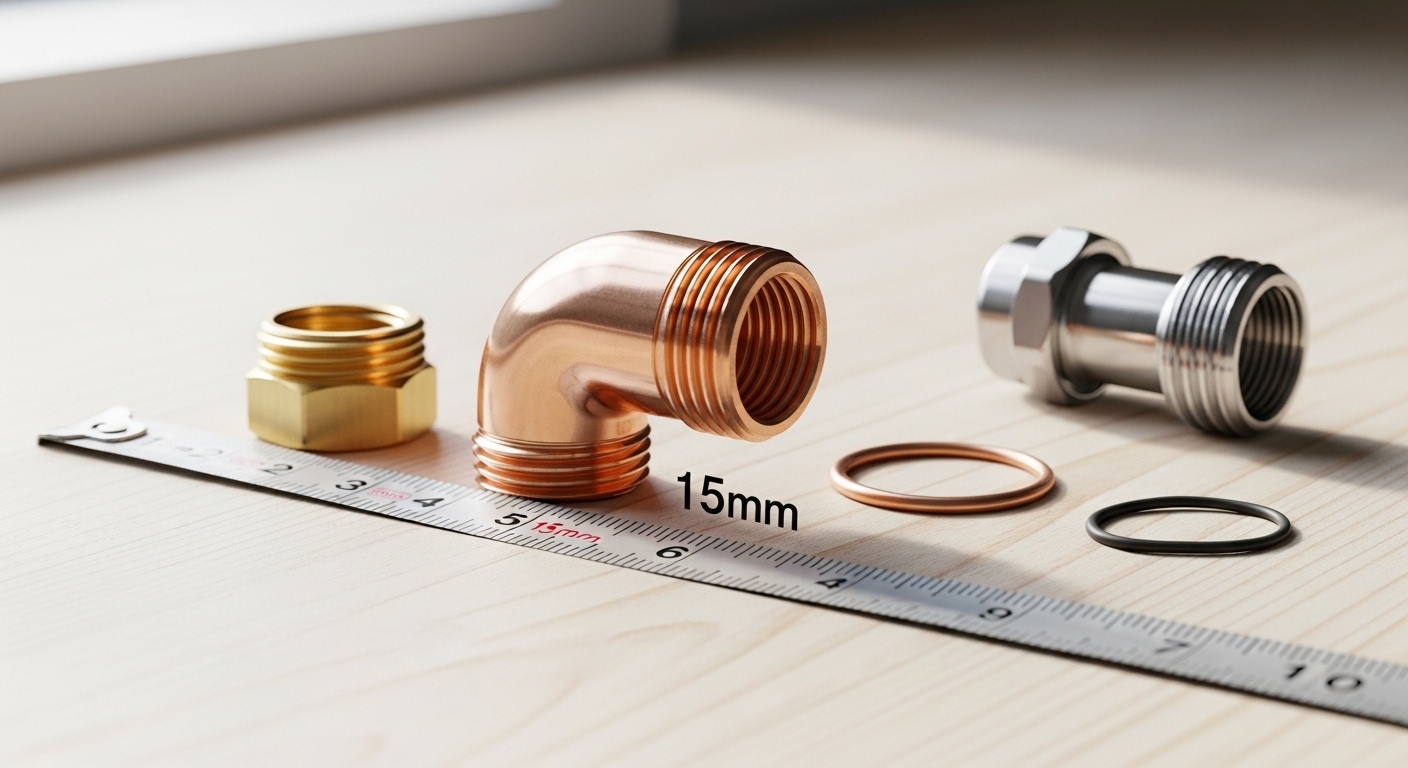
If you’ve ever tried to hook up a tap and found the supply pipe pointing the wrong way — straight at the wall instead of up toward the faucet inlet — a copper tap elbow is the little part that saves the whole job. It’s an unglamorous fitting, but getting the right one (correct angle, correct thread, correct size) is the difference between a bone-dry connection and a slow drip that ruins the cabinet under your sink six months later. This guide walks through what a copper tap elbow does, when you need one, how to size it, and how it stacks up against brass and PEX alternatives.
What exactly is a copper tap elbow, and what does it do?
A copper tap elbow is a bent copper fitting — usually 90 degrees, sometimes 45 — that changes the direction of a water supply line so it lines up with your tap’s threaded inlet. In plain terms: your pipe comes out of the wall or floor going one way, your faucet needs water coming from another way, and the elbow bridges that turn without kinking the pipe or stressing the joint.
Most copper tap elbows fall into one of three families depending on how they attach:
- Solder (sweat) elbows — copper-to-copper joints you heat with a torch and join with solder. The strongest, most permanent option, common inside walls and on rough-in plumbing.
- Compression elbows — held with a nut and a compression ring (olive). No torch needed, and you can undo them later. Popular for connecting a tap to an existing stub-out.
- Threaded (BSP/NPT) tap elbows — one end threads directly into a tap or wall union. These are the classic “wall elbow” that feeds a mixer tap or an outdoor bibcock.
The job is always the same: turn the water 90 degrees and hand it off to the faucet cleanly. Where it gets interesting is matching the elbow’s ends — solder vs. compression vs. thread, and the exact diameter — to what you already have in the wall.
Do I actually need a copper tap elbow, or can I skip it?
You need a copper tap elbow whenever the supply pipe reaches your faucet at the wrong angle and a straight connector would kink the pipe or put the tap inlet under strain. You can skip it only when the pipe already lines up dead-straight with the tap inlet — which, honestly, is rare on real installs.
Here are the everyday situations where an elbow earns its keep:
- Wall-mounted mixer taps — the pipes come out horizontally from the wall, and the tap sits flat against it. A pair of tap elbows turns that horizontal feed into the correct spacing and orientation for the tap.
- Laundry and utility sinks — supply lines often stub out low and to the side, needing a turn up into the faucet.
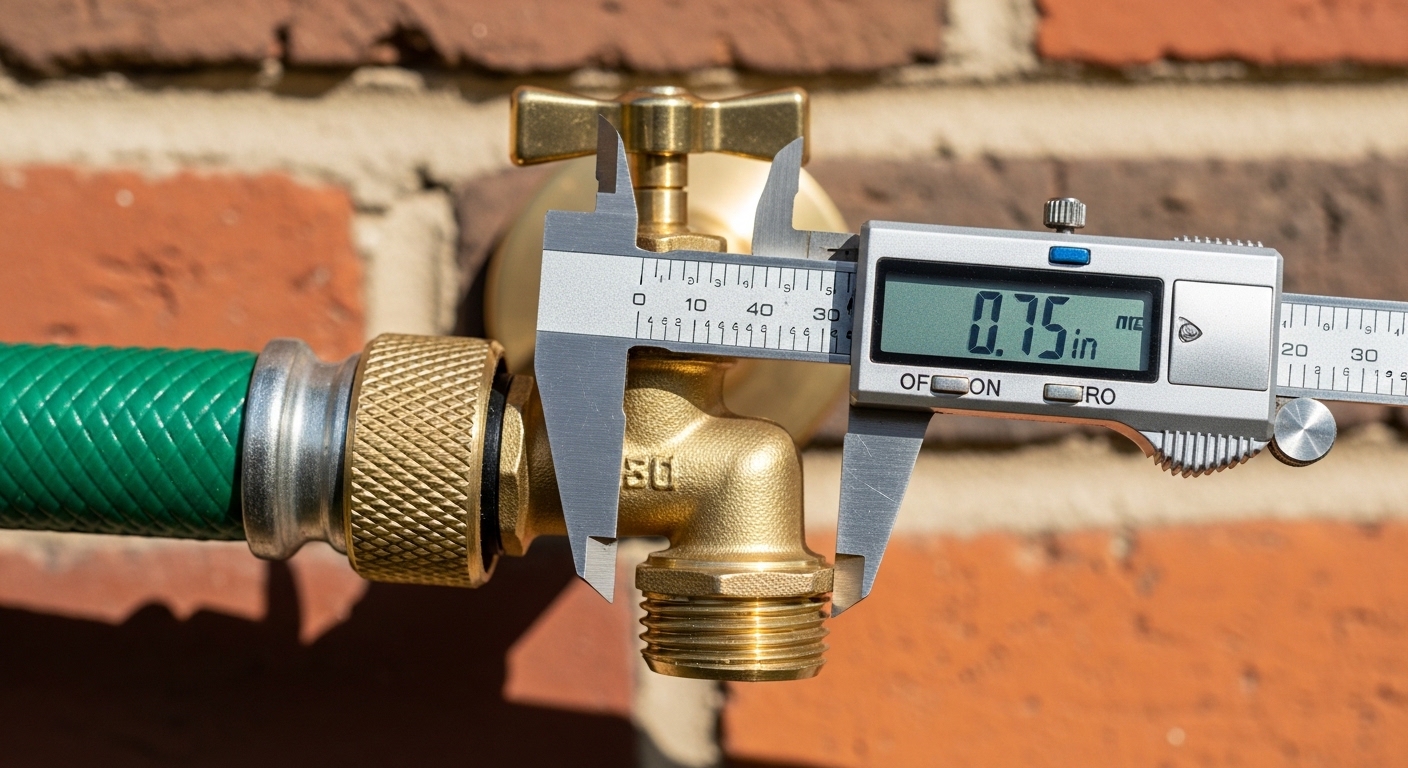
- Outdoor taps and garden bibcocks — a wall elbow anchors the tap to the brickwork and turns the pipe run through the wall.
- Tight vanity cabinets — when there’s no room for a gentle bend, a hard 90-degree elbow makes the turn in the smallest possible footprint.
If you’re replacing a leaky tap rather than plumbing a new one, check whether the old install used an elbow before you buy. Swapping a faucet is a lot smoother when you already know your fittings — the same way it helps to understand a bathtub faucet adapter before you start a tub project, or a faucet extension adapter that actually fits your sink before you assume your existing pipe will reach.
What size copper tap elbow do I need — 15mm or 1/2 inch?
For the vast majority of home taps, you need a 15mm (metric) or 1/2-inch (imperial) copper tap elbow, because that’s the standard size of domestic tap tails and supply lines. The trick is knowing whether your country and your pipe run on metric or imperial, because 15mm and 1/2 inch are close but not identical.
Here’s how sizing actually breaks down in practice:
| Tap / pipe type | Typical elbow size | Where you’ll see it |
|---|---|---|
| Standard basin & kitchen mixer | 15mm / 1/2″ | Most bathroom and kitchen taps |
| High-flow kitchen or bath filler | 22mm / 3/4″ | Bath taps, large kitchen faucets |
| Outdoor bibcock / garden tap | 1/2″ BSP thread | Wall-mounted exterior taps |
| Washing machine / appliance feed | 15mm to 3/4″ BSP | Laundry and utility connections |
Two things trip people up. First, thread type: BSP (British Standard Pipe) and NPT (National Pipe Thread) look similar but seal differently, so a US-threaded tap won’t seat properly on a BSP elbow. Second, the difference between a pipe’s outer diameter (what compression fittings grab) and its nominal bore. When in doubt, measure the outer diameter of the pipe with calipers and match the fitting to that number. If you’re plumbing a laundry space, the sizing quirks around appliance feeds are the same ones that come up when people shop for a laundry faucet at Ferguson — get the connection size confirmed before you buy anything.
Copper vs. brass vs. PEX: which tap elbow should I actually buy?
Choose a copper tap elbow when you want the strongest, longest-lasting joint and you’re comfortable soldering or using compression; choose brass when you want corrosion resistance and easy threaded connections; choose a PEX elbow when you want the fastest, tool-light install in a modern plastic-pipe system. All three work — the right one depends on your existing pipe and your comfort with tools.
| Material | Best for | Install method | Lifespan | Watch out for |
|---|---|---|---|---|
| Copper | Traditional copper pipe systems, durability | Solder or compression | 50+ years | Needs torch skills for soldered joints |
| Brass | Threaded tap connections, hard water | Threaded / compression | 40+ years | Confirm lead-free / DZR grade |
| PEX | New builds, quick DIY, freeze resistance | Crimp / push-fit | 40+ years | Not for exposed UV outdoor runs |
The honest reality: if your home already runs copper pipe, a copper tap elbow is the natural match — same metal, no dissimilar-metal corrosion worries, and a clean solder joint that outlives the tap itself. If you’re working in a modern plastic-pipe home, a PEX elbow will be faster and torch-free. Many renovations end up mixing systems, which is exactly why push-fit and compression fittings exist. If you’re running new plastic lines to a shower or tap, our guide on shower valve installation with PEX covers how those connections handle direction changes without a soldered elbow at all.
Is a soldered copper elbow better than a compression one?
A soldered copper elbow makes a stronger, fully sealed, permanent joint that never loosens; a compression elbow is easier to install and can be taken apart later, but relies on an olive ring staying properly seated. For hidden pipework inside walls, solder wins because you can’t easily fix a hidden compression joint that weeps. For a tap connection you might service someday, compression wins on convenience.
How do I install a copper tap elbow without leaks?
To install a copper tap elbow leak-free, shut off the water, prep and deburr the pipe, join the elbow with either solder or a properly torqued compression nut, seal any threaded end with PTFE tape or thread sealant, then pressure-test before you close anything up. The single biggest cause of leaks isn’t the fitting — it’s a rushed prep or an over/under-tightened nut.
Here’s the reliable sequence:
- Turn off the water at the isolation valve or main, and open the tap to drain the line.
- Cut and deburr the pipe with a pipe cutter, then ream the inside edge so there’s no ridge to disturb the flow or the seal.
- Clean the mating surfaces — for solder, brighten the copper with emery cloth and apply flux; for compression, wipe the pipe clean and slide on the nut and olive.
- Make the joint. For solder, heat evenly and feed solder until it draws into the joint. For compression, hand-tighten then turn roughly one to one-and-a-quarter turns more with a wrench — snug, not gorilla-tight.
- Seal threaded ends with 3–5 wraps of PTFE tape in the direction of the thread, or a compatible pipe-jointing compound.
- Pressure-test. Turn the water back on slowly and watch the joint for two full minutes before you trust it.
If you do spot a bead of water forming after the water’s back on, don’t panic and don’t just crank the nut harder — that often makes it worse by deforming the olive. The same calm, methodical diagnosis that fixes a dripping single-handle kitchen faucet applies here: isolate, inspect the actual joint, and re-seat rather than force.
Will a copper tap elbow corrode or turn green over time?
A properly installed copper tap elbow can develop a green or blue-green patina (verdigris) on its exposed surface over years, but that surface oxidation is largely cosmetic and doesn’t threaten the joint — real failures come from water chemistry, poor joints, or dissimilar-metal contact, not from copper simply aging. In most homes a copper elbow will outlast the faucet it feeds.
What actually shortens a copper fitting’s life:
- Aggressive water chemistry — very acidic (low pH) or very soft water can slowly pit copper from the inside.
- Galvanic corrosion — bolting copper directly to a dissimilar metal without a barrier sets up a tiny battery that eats the joint.
- Poor soldering — a cold or incomplete joint leaves gaps where erosion and leaks start.
- Hard-water scale — mineral buildup narrows the bore and can pair with the faucet’s aerator to choke your flow.
That last point connects to the rest of your tap: if your water leaves scale on an elbow, it’s leaving it on your aerator and cartridge too. Keeping the whole tap flowing is a package deal — the same limescale that dulls a fitting is what clogs a kitchen sink faucet aerator. A quick periodic descale keeps both the elbow and the aerator honest.
What does a copper tap elbow cost, and is a cheap one a false economy?
A basic copper tap elbow costs very little — often just a couple of dollars for a standard 15mm solder or compression fitting, and a bit more for a chrome-plated or DZR brass wall elbow — so the fitting itself is almost never where you should cut corners. The real cost of a bad elbow is the water damage from a joint that fails behind a wall, which dwarfs the price of the part.
Spend the extra dollar or two on a fitting that clearly states its material grade (look for lead-free / DZR brass on threaded parts), and buy from a source that lists real specs rather than a vague photo. A quality fitting with a proper seal is cheap insurance. The principle is the same one that makes people hunt down the exact right part in a faucet parts replacement catalog instead of guessing — the correct, spec-matched component is always cheaper than the callback.
FAQ
Is a copper tap elbow the same as a wall elbow for an outdoor tap?
They overlap. A “wall elbow” for an outdoor bibcock is a specific type of tap elbow — usually threaded, with a back-plate lug so it can be screwed to the brickwork. It does the same job (turning the pipe and presenting a threaded inlet to the tap), but it’s built to be fixed to a wall rather than tucked inside a cabinet.
Can I connect a copper tap elbow to a plastic PEX pipe?
Yes, with the right transition fitting. You can’t solder copper to PEX, but push-fit and compression adapters are made specifically to join the two systems. Use a purpose-made copper-to-PEX transition fitting rather than trying to force a mismatched connection, and always follow the fitting maker’s insertion-depth guidance.
Do I need PTFE tape on a copper tap elbow?
Only on the threaded ends. Soldered joints seal with solder, and compression joints seal with the olive ring — neither needs tape. But any male/female threaded connection (like the tap-inlet end of a threaded elbow) should get 3–5 wraps of PTFE tape or a suitable thread sealant to guarantee a watertight seal.
How long does a copper tap elbow last?
In normal domestic water, a well-installed copper tap elbow commonly lasts 50 years or more — typically longer than the faucet it serves. Lifespan drops mainly with very acidic or very soft water, poor original soldering, or direct contact with a dissimilar metal that triggers galvanic corrosion.
My new copper elbow is dripping at the joint — what did I do wrong?
Most first-time leaks come from one of three things: a compression nut that’s under- or over-tightened, an olive that isn’t seated square on the pipe, or a threaded end without enough PTFE tape. Shut the water off, take the joint apart, inspect the olive or threads, re-seal, and re-tighten to the correct snugness rather than just forcing it harder.
Can I reuse an old copper tap elbow when I swap my faucet?
If it’s a compression or threaded elbow in good condition — no cracks, no thread damage, no deep corrosion — you can often reuse it, but always fit a fresh olive ring and new PTFE tape. Soldered elbows are effectively permanent, so you’d typically cut and re-solder rather than reuse the fitting itself.
Author note: This guide was written by the WOWOW Faucet product content team, drawing on hands-on faucet and fitting installation experience and feedback from professional plumbers who install our fixtures every day. We test connection hardware for thread accuracy and seal integrity before it ships.
About WOWOW: WOWOW (www.wowowfaucet.com) designs and sells kitchen and bathroom faucets, shower systems, and fixture components engineered to recognized plumbing standards. Our faucets and supply components are built with lead-free, corrosion-resistant materials, tested to meet cUPC/NSF-type performance and durability requirements, and backed by a manufacturer’s warranty on finish and function — so the connection behind your tap is as reliable as the tap itself.