 WOWOW Faucets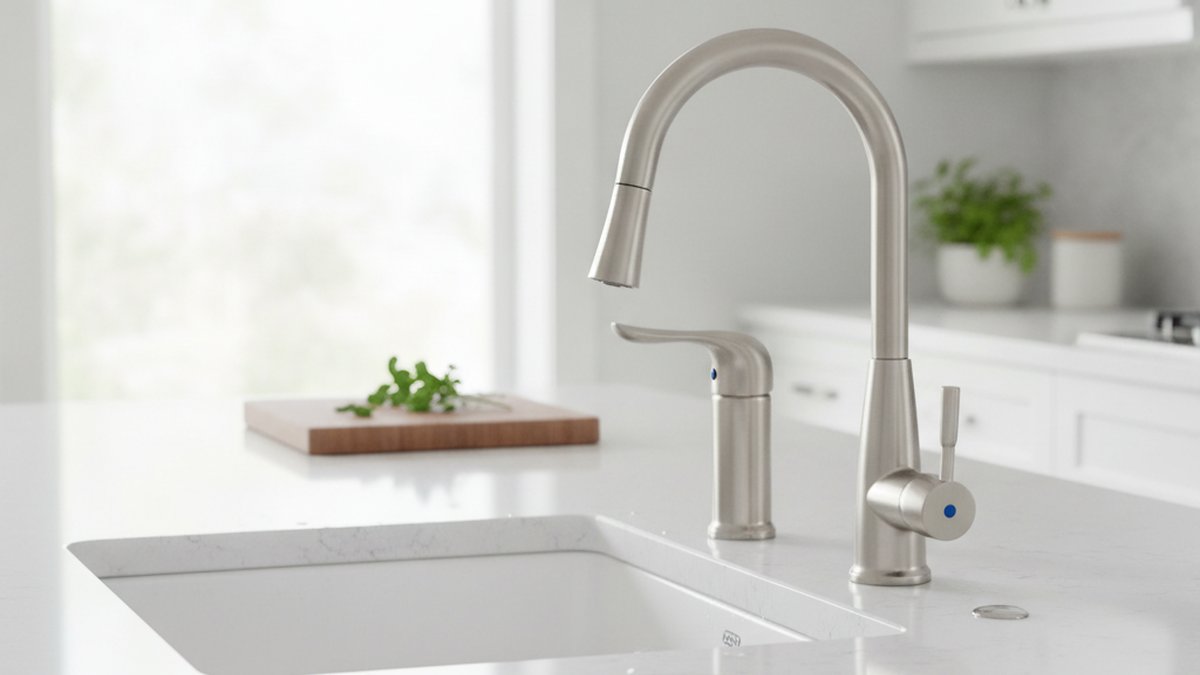
If you’re shopping for a small secondary sink, the bar faucet vs beverage faucet question is the first fork in the road — and getting it wrong means either a tap that can’t wash a wine glass or a tap that pumps hot water you never needed. The two look almost identical on a product page: small, tall, single-handle, gooseneck. But under the deck they’re wired for completely different jobs. This guide breaks down exactly what each one does, where each belongs, what it costs, and how to pick the right one the first time.
At WOWOW Faucet, we build both types and field this exact question from customers every week, so we’ll skip the marketing gloss and give you the plumbing reality.
What’s the actual difference between a bar faucet and a beverage faucet?
The core difference is water lines. A bar faucet mixes hot and cold water through two supply lines and a mixing cartridge, just like your main kitchen faucet — only smaller. A beverage faucet runs a single cold line, usually tied to a water filter or reverse-osmosis system, and has no ability to deliver hot water at all.
That one distinction drives everything else. Because a bar faucet handles hot water, it uses a pressure-balanced or ceramic-disc mixing cartridge, a swivel spout for maneuvering dishes, and a spray or aerated stream sized for real washing. A beverage faucet doesn’t need any of that — it’s engineered for a low, steady, contaminant-safe flow of drinking water, so its internals prioritize lead-free waterways over spray power.
Here’s the fast way to remember it: a bar faucet is a small kitchen faucet; a beverage faucet is a dedicated drinking tap. If you want to read more about the drinking-water-only style, our guide on whether a chrome drinking faucet is the best choice for clean tap water goes deep on the filtered side of things.
Do they hook up to plumbing differently?
Yes — and this is where people get tripped up mid-install. A bar faucet needs two supply connections (hot and cold) under the sink, exactly like a standard faucet. A beverage faucet needs only one cold connection, and it’s frequently teed off a filter, an RO tank, or a chilled-water line rather than your building’s pressurized cold main.
So if your cabinet only has a cold stub-out — common on an island that was never plumbed for hot water — a bar faucet simply won’t work without running a new hot line. In that situation the beverage faucet isn’t just a preference; it’s the only option that installs cleanly.
Which one is right for a wet bar or kitchen island?
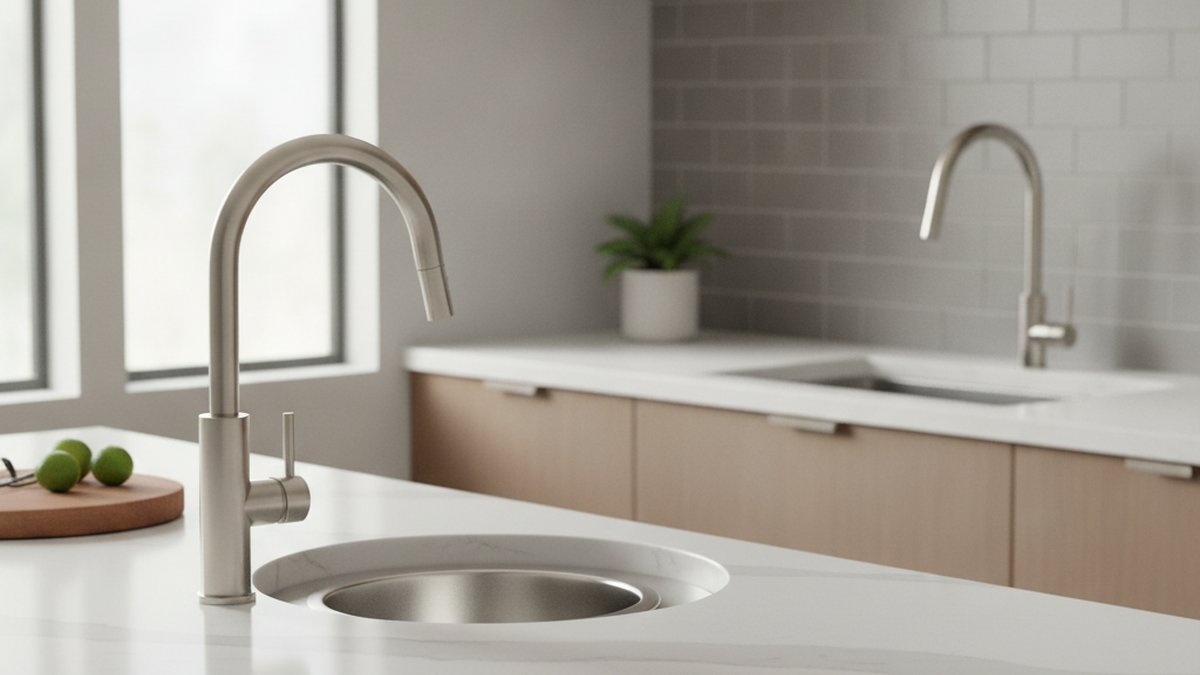
For most wet bars and prep islands, a bar faucet is the better pick because it lets you actually rinse, wash, and prep at the sink instead of just filling a glass. If the island sink will ever see a cutting board, a cocktail shaker, or a dirty tumbler, you want hot water and a swivel spout.
Go with a beverage faucet instead when the island sink exists purely for drinking water, or when you’re adding a second tap next to a main faucet specifically to deliver filtered water. Plenty of high-end kitchens run both: a bar faucet for the prep bowl and a slim beverage faucet beside it for filtered drinking water.
If your setup is really a busy secondary prep station, it’s worth reading how the pros spec these — our rundown of the best prep bowl taps for a busy kitchen covers height, reach, and spray needs that apply anywhere in the world, not just South Africa.
Will a bar faucet fit in a small bar sink?
Usually yes, but check clearance first. Bar sinks are shallow — often only 5 to 6 inches deep — so a tall gooseneck bar faucet can splash badly. The fix is matching spout height to bowl depth: a spout that clears the rim by 8 to 10 inches is plenty for a bar sink, and anything taller invites splatter every time you turn it on.
Also confirm your countertop hole. Both faucet types typically use a single 1.25″ to 1.5″ mounting hole, but if your counter was drilled for a multi-hole setup you may need a deck plate or an escutcheon to cover the extra holes. Our 4-hole kitchen faucet buying guide explains how hole counts work if you’re dealing with a pre-drilled counter.
Bar faucet vs beverage faucet: full comparison table
Here’s the side-by-side so you can decide in ten seconds. The short version: pick a bar faucet for utility, a beverage faucet for pure filtered drinking water.
| Feature | Bar Faucet | Beverage Faucet |
|---|---|---|
| Water temperature | Hot + cold (mixes) | Cold only |
| Supply lines | Two (hot & cold) | One (cold, often filtered) |
| Typical use | Rinsing, washing, light prep | Drinking water dispensing |
| Cartridge | Ceramic-disc mixing cartridge | Simple cold valve |
| Flow rate | 1.5–2.2 GPM | 0.5–1.5 GPM |
| Filter compatible | Optional | Usually yes (RO/carbon) |
| Spout swivel | Yes (needed for dishes) | Often fixed or short swivel |
| Typical price | $60–$220 | $40–$160 |
| Best for | Wet bars, island prep sinks | Filtered drinking stations |
Can you use a bar faucet as a beverage faucet (or vice versa)?
You can use a bar faucet for drinking water without any problem — just run only the cold side, or connect the cold line to a filter. That’s why a bar faucet is the more flexible buy: it does everything a beverage faucet does, plus hot water. The trade-off is that most standard bar faucets are not certified for the same drinking-water-specific low-lead waterways unless the spec sheet says so.
Going the other direction almost never works. You cannot turn a beverage faucet into a bar faucet, because it physically has no hot-water line or mixing cartridge. There’s no cold-only tap you can “upgrade” into a mixer — the body isn’t built for it. So if there’s any chance you’ll want hot water later, buy the bar faucet now.
One important caveat for filtered setups: if you’re pairing a faucet with a reverse-osmosis system, use a faucet rated for RO water. RO water is slightly acidic and can corrode standard brass over time, which is exactly why dedicated beverage faucets often use stainless or specially lined waterways.
What about hard water and mineral buildup?
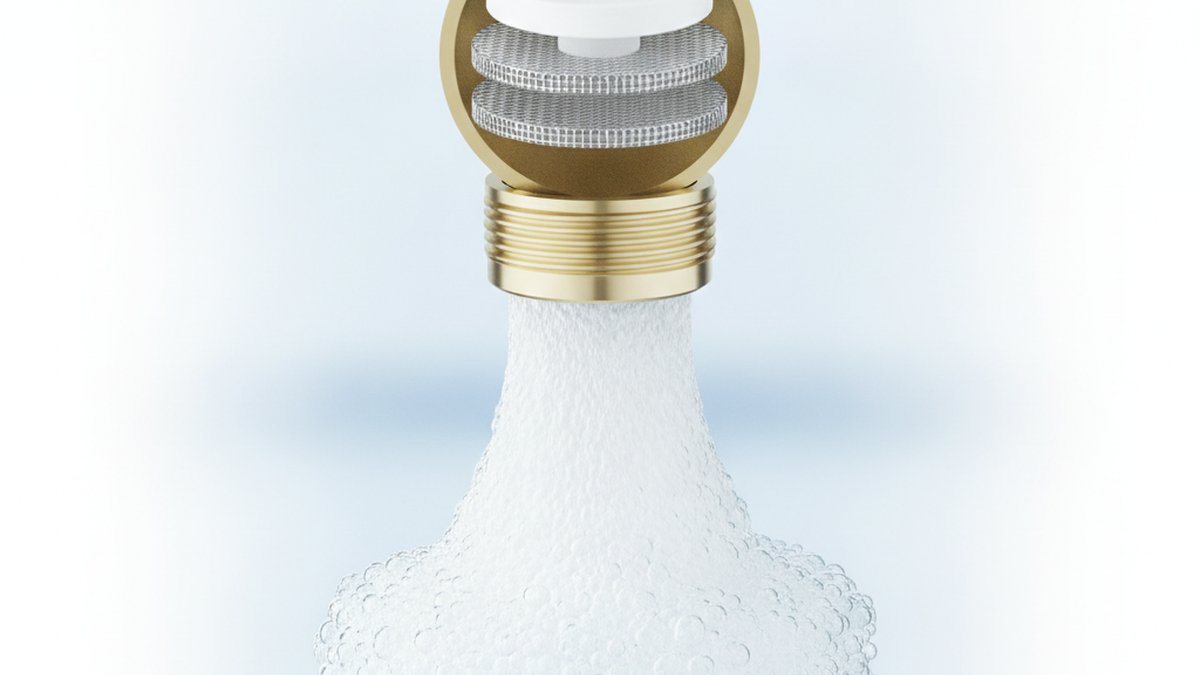
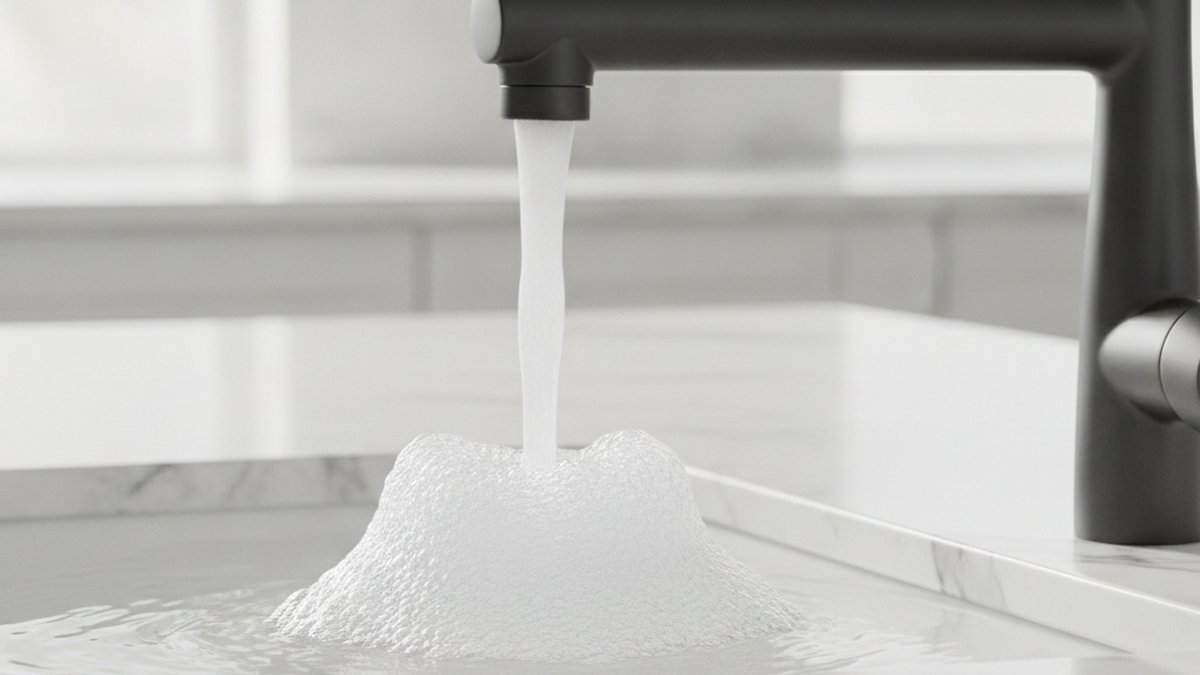
Both faucet types suffer from hard water, but they show it differently. On a bar faucet, minerals clog the aerator and cartridge, giving you weak or split streams — the same low-flow symptom we cover in our guide to what to do when your kitchen faucet has low water flow. On a beverage faucet fed by a filter, scale is less of an issue because the filter strips a lot of the minerals first — but a neglected filter cartridge becomes the bottleneck instead.
Either way, the maintenance habit is the same: unscrew the aerator every few months, soak it in vinegar, and replace filter cartridges on schedule. A good ceramic-disc cartridge in a quality bar faucet should last years before it needs swapping.
How do I choose the right one for my setup?
Choose based on three things in order: your plumbing, your sink’s job, and your finish. Answer those and the decision makes itself.
- Check your supply lines. Two lines under the cabinet? Both are on the table. Only a cold line? Beverage faucet, or plan to run a hot line for a bar faucet.
- Define the sink’s job. Will you wash or rinse anything? Bar faucet. Only pouring drinking water? Beverage faucet.
- Match spout height to bowl depth. Shallow bar sink = shorter spout to avoid splash; deeper prep bowl = taller gooseneck for clearance.
- Confirm hole size and count. Most fit a single 1.25″–1.5″ hole; grab a deck plate if your counter has extras.
- Pick a finish that matches the room. Chrome, brushed nickel, and matte black are the safe bets for coordinating with nearby fixtures.
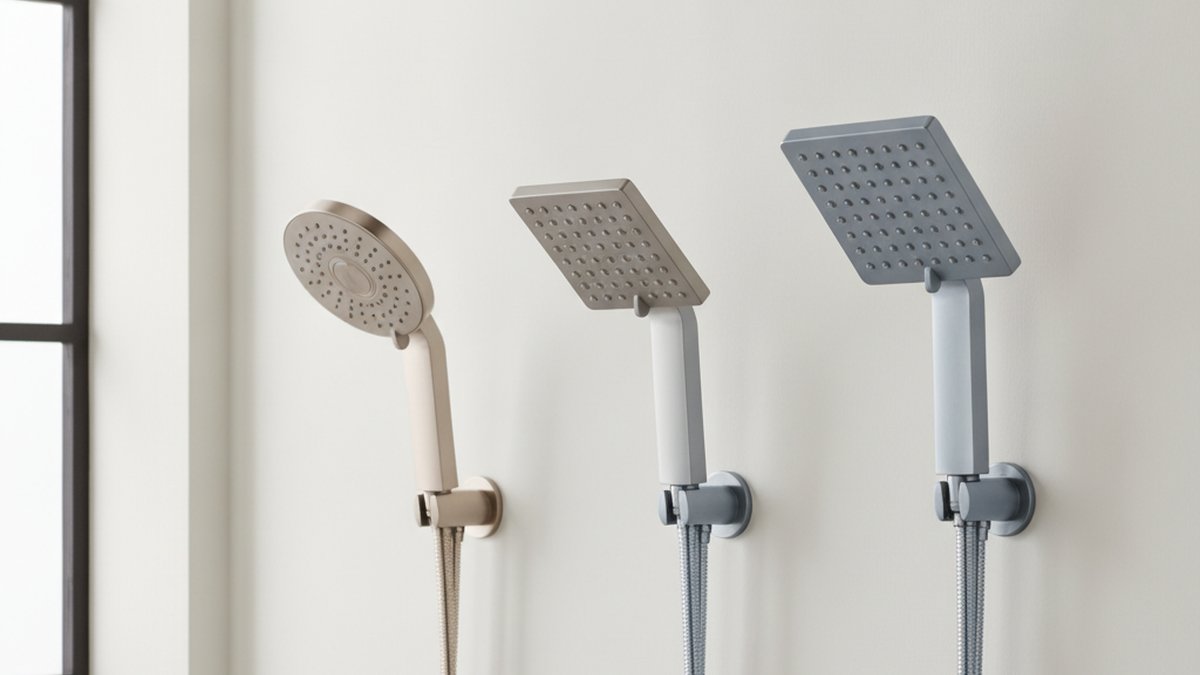
On finish: if this faucet sits near your main sink, coordinate the metal. Mixing a matte black bar faucet next to a chrome main faucet reads as a mistake, not a design choice. We walk through cross-fixture matching in our piece on whether a brushed nickel faucet and shower head actually match across a whole bathroom — the same coordination logic applies to a kitchen bar area.
What flow rate do I need for a bar or beverage faucet?
For a bar faucet, aim for 1.5 to 1.8 GPM — enough to rinse and wash without wasting water. For a beverage faucet, a lower 0.5 to 1.0 GPM is normal and actually preferred, because filtered and RO water flows slowly by design and you don’t want it blasting out of the tap.
Don’t chase the highest GPM number. Federal standards cap kitchen faucets at 2.2 GPM, and many efficient models run lower while still feeling strong thanks to good aerator design. Flow feel comes from aeration and pressure, not just the raw number.
Are bar faucets and beverage faucets built to last?
A quality unit of either type should give you 8 to 15 years of service, with the mixing cartridge being the part most likely to need replacement along the way. The difference between a faucet that lasts and one that leaks in two years comes down to the valve material (ceramic disc beats rubber-washer designs) and the body metal (solid brass over pot metal).
Look for third-party certification before you buy. Reputable faucets carry cUPC/UPC certification for plumbing safety and NSF/ANSI 61 and 372 for lead-free, drinking-water-safe waterways — the latter matters especially for beverage faucets and any bar faucet you’ll drink from. WOWOW faucets are built with lead-free brass and ceramic-disc cartridges, tested to these standards, and backed by our warranty coverage so a cartridge issue years down the line isn’t your problem to eat.
When a cartridge eventually does wear out, replacement is a genuine DIY job — no plumber required. If you’ve never done it, our walkthrough on what the cartridge on a kitchen faucet is and why it matters explains the part before you order a replacement.
FAQ
Is a bar faucet the same as a prep faucet?
Essentially yes. “Bar faucet” and “prep faucet” are marketing terms for the same thing: a compact mixing faucet for a secondary sink. “Bar” leans toward a wet-bar setting and “prep” toward a kitchen island, but the plumbing and function are identical — both mix hot and cold and both fit a small bowl.
Can a beverage faucet dispense hot water?
No. A standard beverage faucet is cold-only with a single supply line and no mixing cartridge, so it physically cannot deliver hot water. If you want instant hot water at a small sink, you need a separate hot-water dispenser with its own tank, or a full bar faucet connected to a hot line.
Do I need a filter for a beverage faucet?
Not always, but it’s the whole point for most people. Beverage faucets are usually installed specifically to deliver filtered or reverse-osmosis water, so they’re most often teed into a filtration system. You can run one straight off the cold main, but then it’s just a cold tap with no real advantage over a bar faucet’s cold side.
How much does it cost to install a bar or beverage faucet?
If the supply lines already exist, both are a 30-to-60-minute DIY job needing only an adjustable wrench and plumber’s tape. If you have to run a new hot line for a bar faucet or tie a beverage faucet into a filter, budget for a plumber — typically $100 to $300 depending on how far the lines have to travel.
Which faucet is better for a small apartment or RV?
A bar faucet is the more versatile choice for tight spaces because it does double duty — rinsing dishes and providing drinking water from one compact fixture. A beverage faucet only makes sense in a small space if you already have a main faucet nearby and just want a dedicated filtered-water tap.
Can I put a bar faucet on my main kitchen sink?
You can, but it may be undersized. Bar faucets are built for small, shallow bowls, so on a deep double-basin main sink the shorter spout and lower reach can feel cramped. For a primary sink, choose a full-size kitchen faucet instead — our guide to choosing a kitchen faucet covers the right sizing.
Author note: This guide was written by the WOWOW Faucet product team, who design, spec, and bench-test bar, beverage, and kitchen faucets for lead-free compliance, flow performance, and cartridge durability. We’ve installed and stress-tested hundreds of secondary-sink faucets across real kitchens and wet bars, and every recommendation here reflects that hands-on testing rather than spec-sheet guesswork.