 WOWOW Faucets
Here is the complete, publish-ready HTML article fragment:
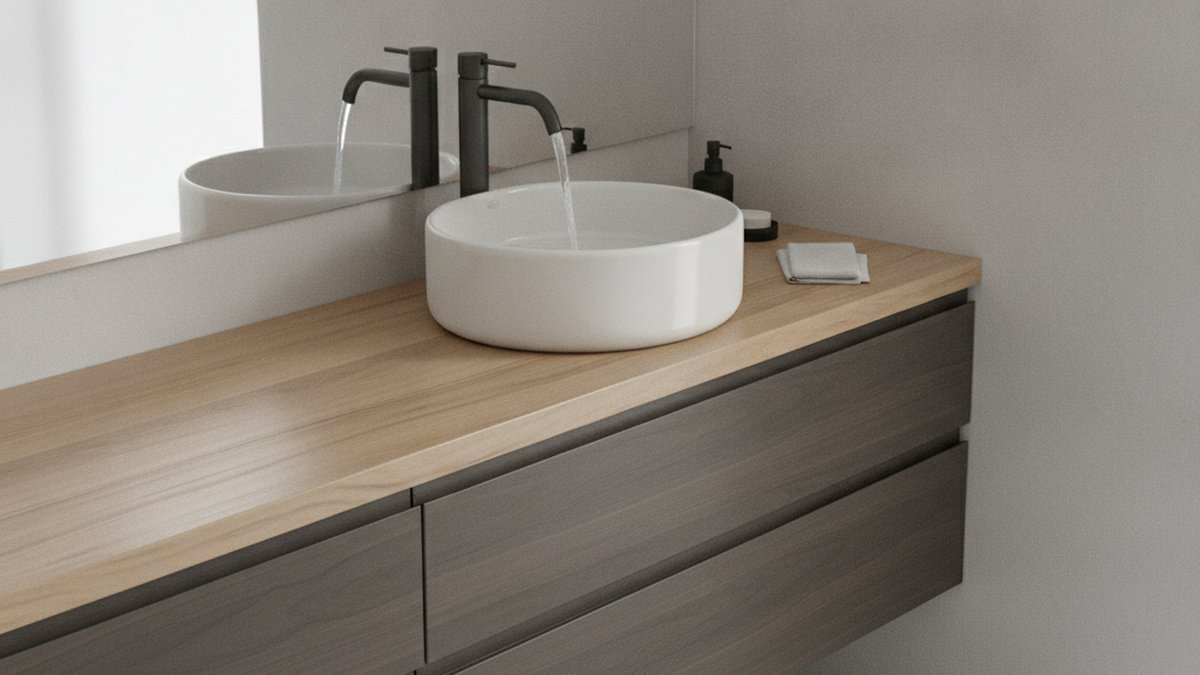
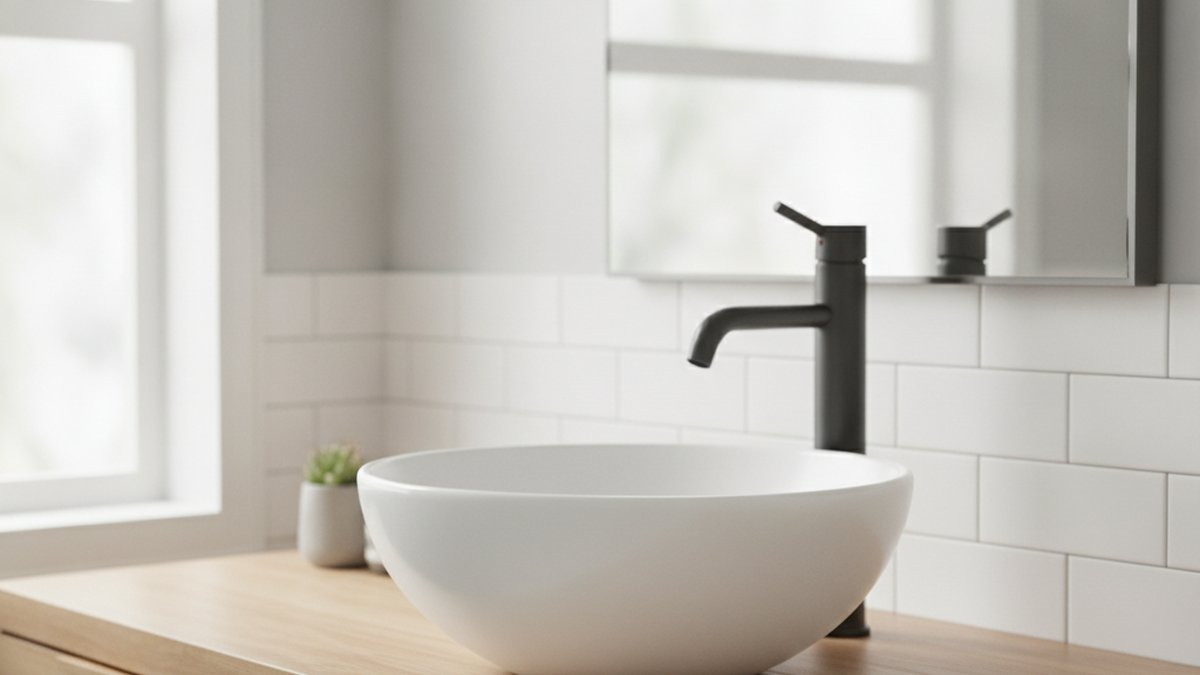
If you’re shopping for the best vessel sink faucets for bathroom use, the single most important thing to get right is height — a vessel sink sits on top of the counter, so a standard bathroom faucet will be too short and splash straight into the bowl instead of reaching the drain. Everything else (finish, handle style, valve quality) matters, but height is the make-or-break spec. Below I’ll walk you through exactly how to measure it, which finishes actually survive daily toothpaste-and-soap abuse, and which faucet types fit which vanities — the same way I’d explain it to a friend standing in the plumbing aisle.
I’ve installed and tested dozens of vessel faucets across the WOWOW line and competing brands, and the questions below are the real ones people ask before buying. Let’s answer them one at a time.
What height faucet do I actually need for a vessel sink?
You need a faucet whose spout clears the top rim of your bowl by at least 2–3 inches, and whose water stream lands over the drain — for most vessel sinks that means a total faucet height of 10 to 14 inches. Anything shorter and you’ll be splashing water over the counter every time you wash your hands.
Here’s the simple way to get it right without guesswork. Measure the height of your vessel bowl from the countertop to its top rim (most bowls are 4–6 inches tall). Then add clearance so your hands fit comfortably underneath — about 4–6 inches. Then account for spout reach: the water should hit the drain, not the front wall of the bowl. So a 5.5-inch bowl generally pairs beautifully with a 12-inch faucet.
- Short bowls (3–4 in): a 10–11 in faucet works and keeps proportions balanced.
- Standard bowls (5–6 in): aim for a 12–13 in faucet — the most common sweet spot.
- Tall/deep bowls (7 in+): go 13–15 in, and double-check the water lands on the drain, not the rim.
One overlooked detail: spout reach (how far it extends horizontally) matters as much as height. A tall faucet with a short reach still splashes if the stream falls short of the drain. Look for a spout reach of roughly 4.5–6 inches for a typical 16–18 inch bowl.
Single-hole vs. wall-mount vs. widespread: which vessel faucet type is right for me?
For 90% of bathrooms, a single-hole, single-handle vessel faucet is the right call — it’s the easiest to install, needs only one hole in the counter, and suits the clean modern look most vessel sinks are going for. You’d only choose wall-mount or widespread for specific design or plumbing reasons.
Here’s how the three main types compare so you can pick fast:
| Faucet Type | Best For | Install Difficulty | Counter Holes Needed | Typical Price |
|---|---|---|---|---|
| Single-hole, single-handle | Most vessel sinks; modern/minimalist looks | Easy (DIY-friendly) | 1 | $50–$150 |
| Wall-mount | Very deep bowls, floating vanities, saving counter space | Hard (in-wall rough-in required) | 0 (mounts in wall) | $120–$400 |
| Widespread (8 in) | Traditional double-handle look; wider vanities | Moderate | 3 | $130–$350 |
| Centerset (4 in) | Rarely ideal — usually too short for vessels | Moderate | 3 | $60–$180 |
Wall-mount faucets look stunning over a deep bowl and free up counter space, but they require the rough-in valve to be roughed into the wall at the correct height before the drywall goes up — that’s a planning decision, not a weekend swap. If you’re curious how rough-in and trim differ, it’s the same principle as shower plumbing; our guide on the difference between a shower valve rough-in and trim explains why the two-part system exists and when you need both.
Widespread vessel faucets give you the classic two-handle, separate-spout look, but confirm the spout height is vessel-appropriate — many widespread sets are built for drop-in sinks and sit too low.
Which faucet finish holds up best in a bathroom — matte black, brushed gold, or chrome?
All three modern finishes hold up well if they’re properly coated, but for hiding water spots and fingerprints, matte black and brushed (brushed nickel or brushed gold) finishes win — they don’t show mineral spotting the way polished chrome does. Chrome is the easiest to wipe clean and the cheapest, but it shows every drip.
Finish is where a lot of cheap faucets fail after a year. The finish quality depends on the coating process, not just the color. Look for PVD (physical vapor deposition) coatings — they’re far more scratch- and tarnish-resistant than sprayed-on finishes, which is what WOWOW uses across its vessel line.
- Matte black: hides water spots best; bold contrast against white and stone bowls; wipe with a damp microfiber cloth, skip abrasive cleaners.
- Brushed gold / champagne bronze: warm, on-trend, hides fingerprints; pairs well with glass and marble vessels.
- Brushed nickel: the safe, timeless middle ground; forgiving of water spots.
- Polished chrome: cheapest, brightest, easiest to clean — but shows every drop and fingerprint.
If matte black is your pick, it pairs especially well with dark stone and glass bowls — and if you’re shopping locally, our piece on where to buy a black vessel sink faucet near you covers what to inspect in person before you commit.
How hard is it to install a vessel sink faucet yourself?
Installing a single-hole vessel faucet is a genuine 30–60 minute DIY job for most people — no plumber needed. If your counter and drain are already prepped, it’s one of the easiest fixture swaps in the bathroom because there’s only one mounting hole and two supply connections.
Here’s the basic sequence:
- Shut off the hot and cold supply valves under the vanity and open the old faucet to release pressure.
- Disconnect the old supply lines and remove the old faucet (if replacing).
- Drop the new faucet’s shank through the single counter hole; secure it from below with the mounting nut and washer.
- Connect the flexible supply lines to the hot and cold shut-off valves — hand-tight, then a gentle quarter-turn with a wrench.
- Install or connect the drain assembly (many vessel faucets pair with a pop-up or grid drain).
- Turn the water back on slowly and check every connection for drips.
The two spots people trip on: over-tightening (which cracks compression fittings) and forgetting the drain assembly, which is often sold separately for vessel setups. If you want a full walkthrough with photos, our step-by-step guide to replacing a bathroom faucet covers the whole process and applies directly to vessel installs. And if you’re rethinking the whole vanity, the best bathroom faucet and sink setup guide helps you match faucet, sink, and counter as a system.
What should I budget for a good vessel sink faucet?
Plan on $60–$150 for a quality single-hole vessel faucet that will last years — that’s the range where you get a solid brass body, a ceramic-disc cartridge, and a durable PVD finish without overpaying for a designer name. Below $40, you’re usually buying a zinc-alloy body and a painted finish that won’t age well.
What your money actually buys as you move up the range:
| Price Range | What You Typically Get | Watch Out For |
|---|---|---|
| Under $40 | Zinc-alloy body, sprayed finish, basic cartridge | Finish flaking, drips within a year, low certifications |
| $60–$150 | Solid brass body, ceramic-disc cartridge, PVD finish, cUPC/NSF certified | Confirm spout height matches your bowl |
| $150–$400+ | Designer brand, premium finishes, wall-mount or widespread options | You’re often paying for the name, not extra durability |
The components that determine longevity are the valve/cartridge and the body material. A ceramic-disc cartridge is the standard for drip-free performance — it’s the same part that eventually needs swapping in any faucet. If you ever do get a drip years down the line, replacing a cartridge is straightforward; our step-by-step cartridge replacement guide shows how, so a small wear part never means buying a whole new faucet.
Do vessel sink faucets come with a drain, and does water pressure matter?
Many vessel faucets do not include a drain — vessel bowls usually need a special pop-up or grid drain (often without an overflow), so always check whether the drain is included or sold separately. On water pressure, a standard bathroom faucet flows at 1.2 gallons per minute (GPM) under the U.S. EPA WaterSense standard, which is plenty for a bathroom vessel sink.
A couple of practical notes here. First, because vessel bowls sit high and often lack an overflow hole, you’ll want a non-overflow pop-up drain — match it to your bowl and faucet finish so everything coordinates. Second, don’t chase high GPM in a bathroom; 1.2 GPM is the sweet spot for hand-washing and it saves water. If your existing supply pressure is genuinely weak throughout the house, that’s a plumbing issue rather than a faucet one — but for a vessel sink specifically, a certified 1.2 GPM aerator gives a full, comfortable stream.
Why trust WOWOW on vessel faucets, and what backs the product?
Short answer: WOWOW specializes in faucets and bathroom fixtures — not general hardware — and its vessel faucets are built on solid brass bodies with ceramic-disc cartridges, PVD finishes, and third-party certifications, backed by warranty support.
Standards and testing: Reputable vessel faucets should carry cUPC certification (required for plumbing code compliance in the U.S. and Canada) and meet ANSI/NSF 61 and NSF 372 for lead-free, drinking-water-safe wetted parts. When you shop, confirm these are listed — they’re your assurance the faucet was independently tested, not just self-declared. WOWOW’s vessel faucets are cUPC-listed and lead-free compliant, and the ceramic cartridges are cycle-tested for long-term drip-free use and backed by a limited lifetime warranty on the finish and cartridge.
Author note: This guide was written by the WOWOW fixtures content team, drawing on hands-on installation and testing of single-hole, widespread, and wall-mount vessel faucets across multiple finishes and bowl types. We update our buying guides as standards and product lines change — this edition reflects 2026 models and pricing.
FAQ
How tall should a faucet be for a vessel sink?
For most vessel sinks, choose a faucet 10–14 inches tall — the spout should clear the top of the bowl by 2–3 inches and the water should land on the drain. Measure your bowl height first: a 5–6 inch bowl pairs best with a 12–13 inch faucet.
Do vessel sink faucets need a special drain?
Usually yes. Vessel bowls often have no overflow hole, so you need a non-overflow pop-up or grid drain rather than a standard bathroom drain. Check whether the faucet includes a drain — many are sold separately — and match the drain finish to the faucet.
Can I use a regular bathroom faucet on a vessel sink?
Not recommended. Standard bathroom faucets are too short — they’ll splash over the rim and won’t reach the drain because the bowl sits on top of the counter. You specifically need a taller vessel-style faucet to clear the raised bowl.
What finish is best for a vessel sink faucet?
Matte black and brushed finishes (nickel or gold) hide water spots and fingerprints best, while polished chrome is cheapest and easiest to wipe but shows every drop. For durability, choose a PVD-coated finish over a sprayed one regardless of color.
How much does a good vessel sink faucet cost?
Expect to pay $60–$150 for a quality single-hole vessel faucet with a solid brass body, ceramic-disc cartridge, and durable PVD finish. Wall-mount and designer models run $150–$400+, while faucets under $40 tend to use zinc bodies and painted finishes that don’t last.
Is a single-hole or widespread faucet better for a vessel sink?
A single-hole, single-handle faucet is best for most vessel sinks — it’s easiest to install, needs only one counter hole, and suits modern bowls. Choose a widespread set only if you want a traditional two-handle look and your vanity has three pre-drilled holes.