 WOWOW Faucets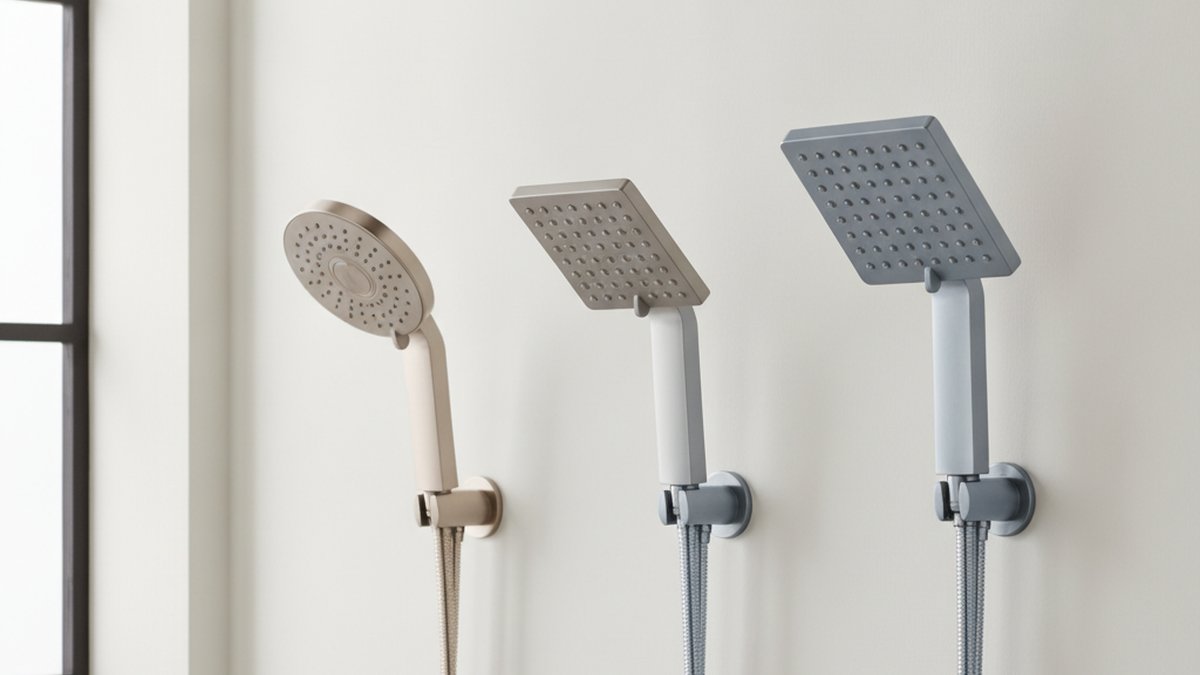
If you’re standing in the fixtures aisle (or scrolling three tabs deep) wondering whether a brushed nickel faucet and shower head will actually look like they belong together, you’re asking exactly the right question. The short answer is that they will — brushed nickel is one of the most forgiving finishes to coordinate — but only if you understand what “brushed nickel” really means from one fixture to the next, because not every manufacturer’s version is the same shade of gray. This guide walks you through matching, durability, cost, cleaning, and how to buy a set that photographs as well as it lives.
Will a Brushed Nickel Faucet and Shower Head From Different Brands Match?
Usually close, but not guaranteed — and that’s the single most common mistake buyers make. “Brushed nickel” is a descriptive term, not a standardized color code. One brand’s version leans warm and slightly champagne-tinted; another leans cool and almost stainless-gray. When you put two slightly different grays side by side in the same room, your eye catches the mismatch instantly, especially in daylight.
The safest route is to buy your faucet and shower head as a matched collection from a single manufacturer, where the finish is engineered to the same spec across every piece. If you must mix brands, buy the shower head last and hold it up against the faucet in natural light before committing, or order both from the same retailer so returns are painless. At wowowfaucet, our brushed nickel runs to a consistent warm-neutral tone across faucets, shower heads, and accessories precisely so a customer can build a full set without the guesswork.
What Metals and Coatings Affect the Color?
The finish comes down to two things: the base metal and the topcoat. Most quality fixtures start with a solid brass body, get plated, then receive a PVD (physical vapor deposition) coating that fuses the color to the surface at a molecular level. PVD brushed nickel is far more scratch- and tarnish-resistant than older electroplated finishes, and it’s the reason a good brushed nickel faucet can carry a lifetime finish warranty. Cheaper fixtures use a lacquer or thin electroplate over zinc alloy — those are the ones that flake, yellow, or wear through at the handle within a few years.
- Solid brass + PVD: best durability, most consistent color, premium price.
- Brass + electroplate: good looking out of the box, but wears faster at high-touch spots.
- Zinc alloy + lacquer: cheapest, most likely to mismatch and degrade — avoid for a set you want to last.
Is Brushed Nickel Better Than Chrome for a Faucet and Shower Head?
For most bathrooms, yes — brushed nickel beats chrome on the two things people complain about most: water spots and fingerprints. Chrome is a bright mirror finish that shows every droplet, smudge, and toothpaste splatter, so it can look dirty an hour after you clean it. Brushed nickel’s fine directional grain scatters light, so spots and prints essentially disappear between cleanings. If low maintenance matters to you, that difference alone is decisive.
Chrome still wins on two fronts: it’s typically cheaper, and it gives a crisp, high-contrast, contemporary look that some people prefer. Brushed nickel reads softer and warmer, which is why it pairs so well with wood vanities, warm-white lighting, and both traditional and transitional bathrooms. Here’s the honest head-to-head:
| Factor | Brushed Nickel | Chrome | Matte Black |
|---|---|---|---|
| Hides water spots | Excellent | Poor | Good |
| Hides fingerprints | Excellent | Poor | Fair (shows dust/lint) |
| Corrosion resistance | Very high | High | High |
| Ease of cleaning | Easy | Needs frequent wiping | Easy, but shows mineral film |
| Typical price vs chrome | +10–25% | Baseline | +15–30% |
| Best-matched décor | Warm, transitional, traditional | Modern, minimalist | Bold, contemporary |
If you’re weighing brushed nickel against a darker finish, our deep-dive on the matte black faucet aerator breaks down how darker finishes behave with hard water, which is the same durability question in a different color.
Does Brushed Nickel Show Hard Water Stains and Toothpaste?
Barely — and that’s its biggest everyday advantage. The brushed texture diffuses reflections, so mineral spots, dried toothpaste flecks, and fingerprints blend into the grain instead of standing out against a mirror surface. In a hard-water home where chrome looks perpetually spotty, brushed nickel can go days between wipe-downs and still look clean.
That said, “hides” isn’t “immune.” In very hard water, calcium and lime can still build a dull film on any finish over months, especially around aerators and shower nozzles. The fix is easy: wipe with a soft microfiber cloth and, when film appears, use a 50/50 white vinegar-and-water solution, then rinse and dry. Never use abrasive pads, scouring powders, or acidic bathroom cleaners with bleach — those are what actually damage a brushed nickel finish over time. For shower heads specifically, silicone nozzle tips let you rub away mineral buildup with your thumb, no chemicals needed.
How Do You Clean a Brushed Nickel Faucet and Shower Head the Right Way?
Keep it simple and non-abrasive. Here’s the routine that preserves the finish and the warranty:
- Wipe every few days with a soft, damp microfiber cloth — no cleanser needed most of the time.
- For grime, use mild dish soap and warm water, then rinse.
- For hard-water film, soak a cloth in 50/50 white vinegar and water, lay it on the spot for a few minutes, wipe, rinse, and dry.
- For a clogged aerator or shower head, unscrew it and soak in vinegar for 30–60 minutes, then brush with an old toothbrush.
- Always dry with a clean cloth to prevent new spotting. Avoid abrasive scrubbers, ammonia, and bleach-based cleaners.
What Should You Buy Together for a Fully Coordinated Set?
To make the room read as one intentional design, match the metal finish on every visible piece of hardware — not just the faucet and shower head. Your eye registers the whole room, so a lone chrome towel bar or a leftover polished handle will break the spell. A truly coordinated brushed nickel bathroom includes:
- Sink faucet (single-hole, centerset, or widespread to match your sink’s drilling)
- Shower head and shower arm
- Shower valve trim and handle
- Tub filler or tub spout, if you have a bathtub
- Drain and pop-up assembly
- Towel bars, robe hooks, toilet paper holder, and the vanity light finish where possible
If you’re starting from the vanity outward, our guide to the best bathroom faucet and sink setup helps you pick the faucet configuration first, since the sink’s hole spacing dictates which faucet style you can even install. And if your shower delivers weak pressure, don’t blame the finish — read how to get high pressure from a low-GPM shower head before you buy, because a beautiful brushed nickel head still has to feel good under real water pressure.
Does the Finish Change How a Shower Head Performs?
No — finish is purely cosmetic and doesn’t affect flow rate, spray pattern, or pressure. What matters for performance is the GPM rating (2.5 GPM max in most US states, 1.8 GPM in California and a few others), the number and type of spray settings, and whether it has a pressure-compensating design for low-flow homes. So choose your shower head on spray feel and GPM first, then confirm it’s available in brushed nickel. You never have to trade performance for the look.
How Much Should a Brushed Nickel Faucet and Shower Head Set Cost?
For a quality PVD-coated set, budget roughly $80–$180 for a bathroom sink faucet, $40–$120 for a shower head, and $90–$250 for a complete shower trim kit (valve trim, arm, and head). A full brushed nickel bathroom — faucet, shower system, tub spout, and matching accessories — typically lands between $300 and $700 for good mid-range fixtures. You can spend far more on designer brands, but the finish quality plateaus quickly; a solid-brass, PVD-finished fixture from a reputable value brand looks and lasts the same as one costing three times more.
Where cheap sets go wrong is the internals, not the color: a zinc body, a plastic cartridge, or a lacquer coat. Spend where it counts — solid brass, ceramic-disc cartridge, PVD finish — and you’ll get a set that still matches and still works a decade later. That’s the same principle we cover in our broader guide to choosing a kitchen faucet, because the “buy the body, not just the finish” rule applies to every room in the house.
Author Note, Testing, and Warranty
This guide was written by the wowowfaucet product content team, drawing on hands-on installation and finish-durability testing across hundreds of faucet and shower fixtures. wowowfaucet has manufactured kitchen and bathroom fixtures for over a decade, and every brushed nickel product we ship is built on a lead-free brass body with a ceramic-disc cartridge and a PVD finish rated to resist corrosion and tarnish. Our fixtures are certified to cUPC / NSF standards for safe drinking water, meet the applicable ASME A112.18.1 / CSA B125.1 plumbing standards, and are backed by a limited lifetime warranty on both function and finish. If a brushed nickel finish ever flakes or discolors under normal use, that’s a warranty claim — not a “you cleaned it wrong” situation — provided you avoided abrasives and bleach.
FAQ
Do brushed nickel and satin nickel match each other?
Almost always, yes. “Satin nickel” and “brushed nickel” are frequently used interchangeably and describe the same warm, low-sheen gray finish. Any tiny difference is usually smaller than the variation between two brands both labeled “brushed nickel,” so treat them as the same family — but still verify in daylight before mixing brands.
Can I mix a brushed nickel faucet with chrome or black fixtures?
You can, but do it deliberately, not by accident. A two-tone look — say a brushed nickel faucet with matte black shower hardware — reads as intentional only when it’s repeated consistently around the room. A single stray chrome piece, though, just looks like a leftover. If you’re not going for a curated mixed-metal design, keep every visible fixture in the same brushed nickel finish.
Is brushed nickel out of style in 2026?
Not at all. Brushed nickel remains one of the most popular and resale-friendly finishes precisely because it’s neutral and timeless — it doesn’t date the way trend finishes can. Matte black and warm brass are having a moment, but brushed nickel is the safe, broadly appealing choice that coordinates with almost any tile, cabinet, and lighting color.
Will a brushed nickel shower head rust in a humid bathroom?
A quality PVD-coated brushed nickel shower head on a brass body won’t rust — the finish and base metal are both corrosion-resistant, which is exactly why nickel finishes are trusted in wet environments. Cheap zinc-alloy fixtures with thin coatings can eventually corrode at nicks and edges, so the base material matters more than the color for humidity resistance.
Do I need a plumber to install a matching brushed nickel set?
A sink faucet and a shower head swap are both realistic DIY jobs with basic tools. Replacing the shower valve trim is also DIY-friendly if the rough-in valve stays; swapping the valve behind the wall is where most people call a pro. If you’re replacing a full bathroom faucet, our step-by-step bathroom faucet replacement guide walks you through it start to finish.
Hello!Please sign in