 WOWOW Faucets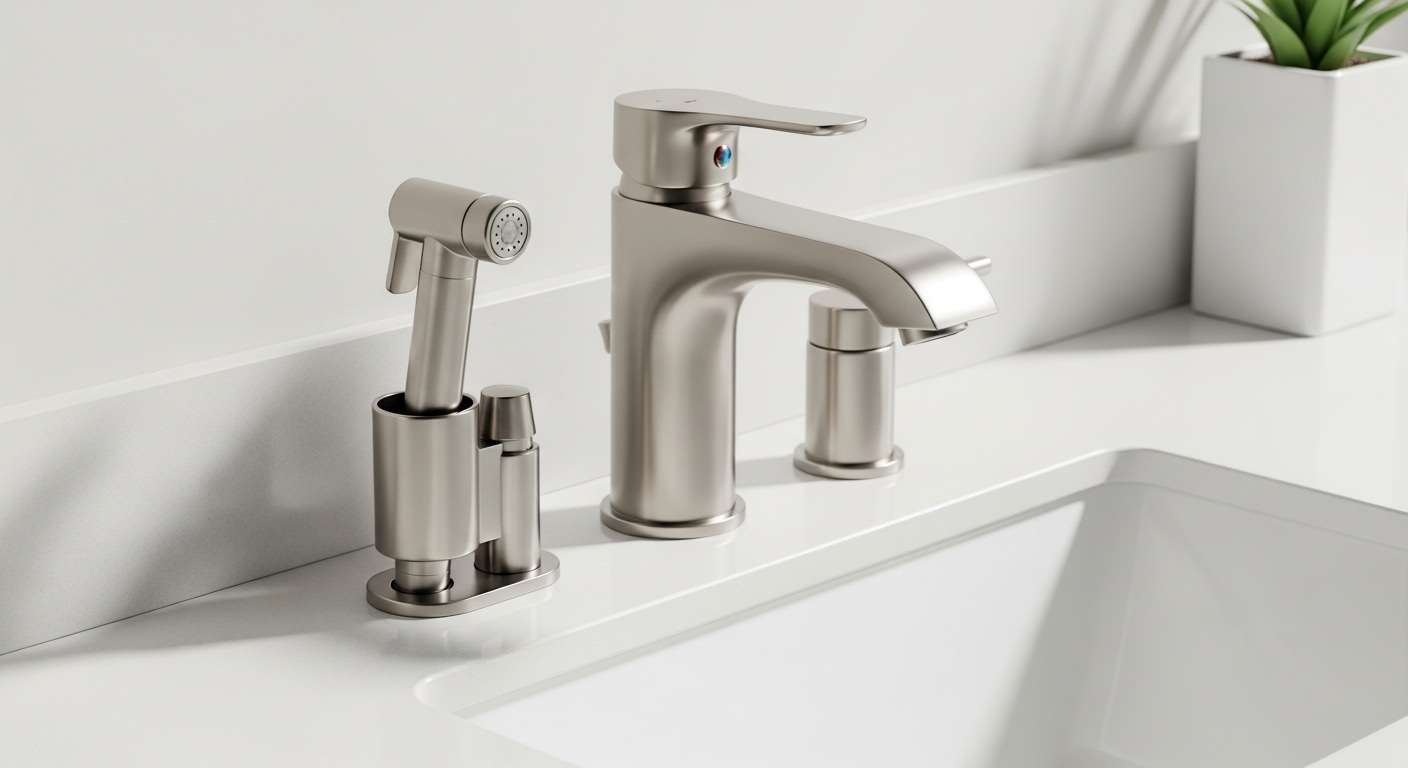
If you’ve been searching for a “bidet in faucet” setup, you’re really asking one of two things: either you want a sink faucet that doubles as a bidet sprayer, or you want a faucet-style bidet fixture that delivers warm water for personal cleansing. Both exist, both are real, and the right pick depends entirely on your bathroom layout and budget. This guide breaks down exactly what these products are, how they perform, what they cost, and how to choose without wasting money on something that won’t fit your sink or your space.
At wowowfaucet, we design and test faucets and bathroom fixtures every day, so we’ll keep this practical: real specs, real scenarios, and honest trade-offs — not marketing fluff.
What does “bidet in faucet” actually mean?
“Bidet in faucet” most often refers to one of three setups: (1) a sink faucet with a built-in or pull-out bidet sprayer, (2) a dedicated bidet faucet mounted on a bidet basin, or (3) a faucet-mounted diverter that feeds a handheld bidet sprayer next to the toilet. They all share one idea — using faucet plumbing to deliver a targeted stream of water for personal hygiene instead of relying on toilet paper alone.
The confusion is understandable, because “bidet” can mean a separate porcelain basin, a toilet-seat attachment, or a sprayer. When the word “faucet” is attached, people usually mean they want the convenience built into or fed from a faucet rather than buying a stand-alone electric bidet seat. Here’s how the main types compare.
| Type | How it works | Warm water? | Best for | Typical price |
|---|---|---|---|---|
| Bidet faucet (on a bidet basin) | Dedicated single-hole faucet on a porcelain bidet | Yes (hot + cold) | Larger bathrooms with a true bidet fixture | $80–$250 |
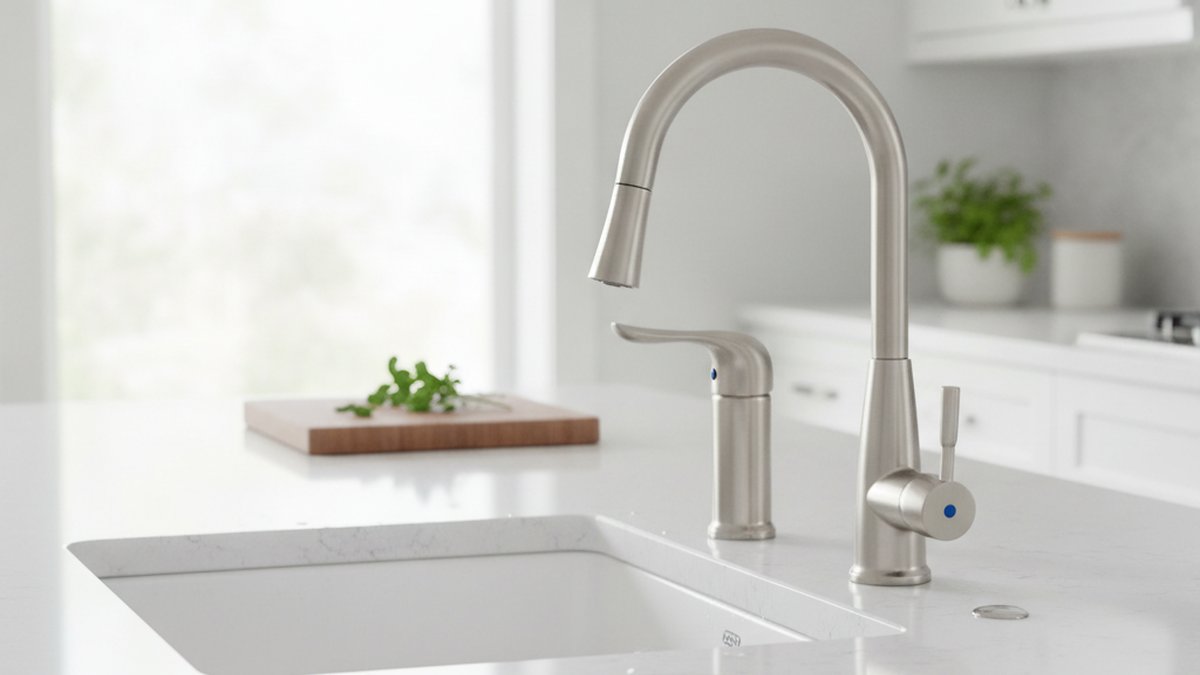
| Faucet with pull-out bidet sprayer | Sink faucet whose spray head doubles as a bidet wand | Yes | Small bathrooms, multi-use sinks | $90–$300 |
| Handheld bidet sprayer (faucet-fed) | Diverter taps the faucet/supply line to a wall sprayer | Depends on supply | Budget upgrades next to the toilet | $25–$70 |
| Toilet-seat bidet attachment | Mounts under the seat, taps the toilet supply line | Cold (or electric warm) | Renters, fastest install | $30–$150 |
Is a bidet in faucet form worth it, or should I get a separate bidet?
A bidet in faucet form is worth it when bathroom space is tight, because you get cleansing without dedicating floor space to a second fixture — but if you have room and want the best clean, a separate bidet or a dedicated bidet seat still wins on comfort and adjustability. The decision really comes down to square footage and how often you’ll use the bidet function.
Here’s the honest breakdown. A combined unit saves space and money: one set of supply lines, one fixture to clean, one hole drilled in the counter. But a dedicated bidet basin or an electric bidet seat gives you precise temperature control, adjustable nozzle positions, and (on premium seats) drying and deodorizing. If you’re cleaning by the sink with a pull-out sprayer, the ergonomics are simply not as natural as sitting over a bidet.
- Choose a bidet in faucet if you have a powder room or compact bath, rent and can’t add fixtures easily, or want a multitasking sink that also rinses kids, pets, and cleaning buckets.
- Choose a separate bidet or bidet seat if you have the floor space, want warm-water-on-demand with fine temperature control, or share the bathroom with people who’ll use it daily.
- Choose a faucet-fed handheld sprayer if you want the cheapest path to “bidet next to the toilet” and don’t mind a quick under-sink diverter install.
What’s the best bidet faucet for hard water and small bathrooms under $200?
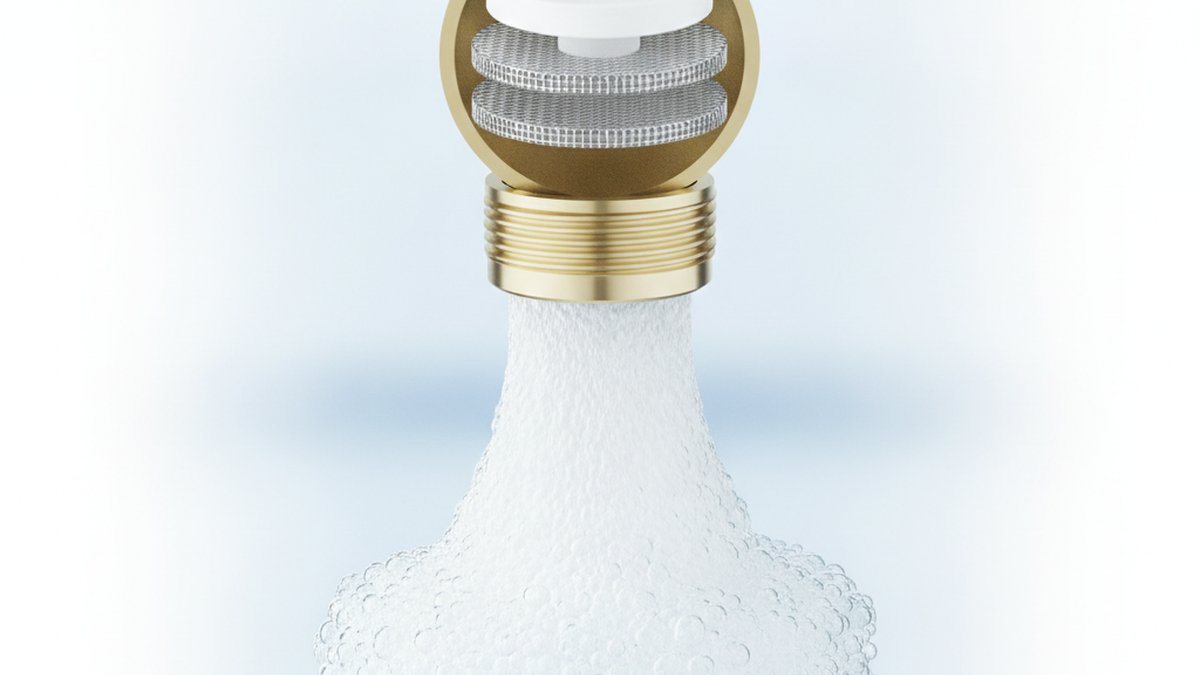
For hard water and small bathrooms under $200, look for a bidet faucet or pull-out bidet sprayer with a ceramic disc cartridge, a silicone-nozzle or rubber-tipped aerator you can wipe clean, and a solid brass body — these resist limescale buildup and clogging far better than cheap zinc-alloy units. The single biggest mistake people make is buying on finish alone and ignoring what’s inside.
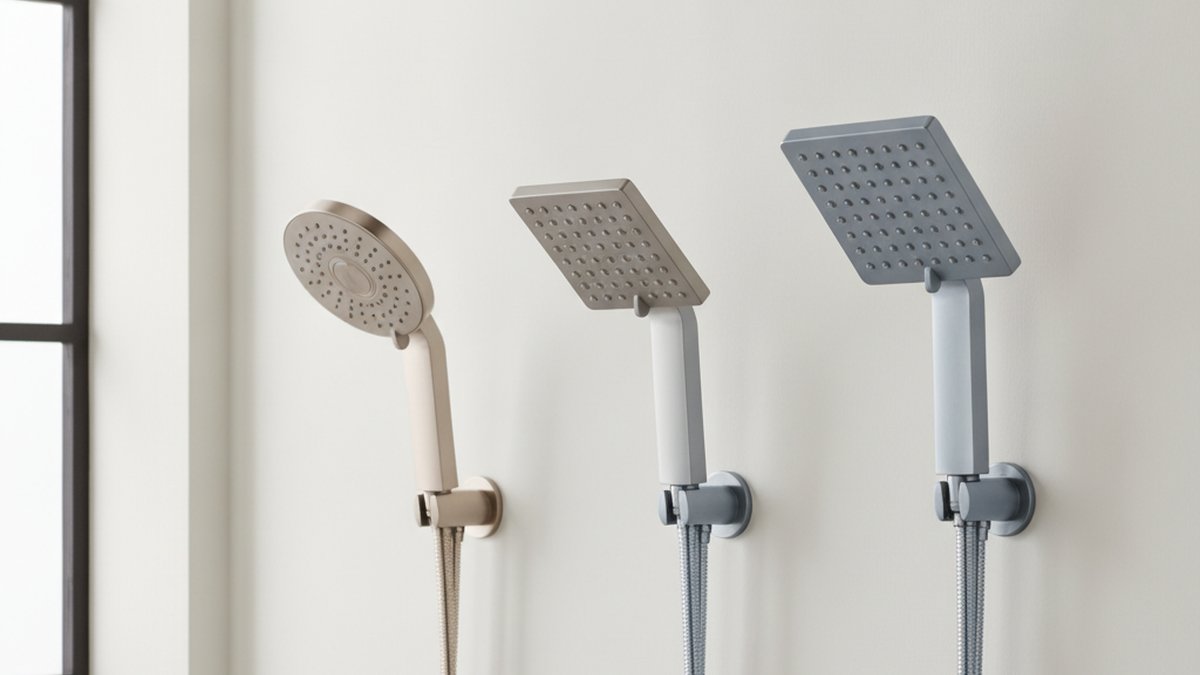
Hard water is the enemy of any sprayer because limescale clogs the tiny spray holes within months. Two features genuinely help: a rubber or silicone spray face (so you can rub deposits off with your thumb) and a ceramic disc cartridge rated for long cycle life. If your water is very hard, pairing the fixture with a filter helps the whole system; our rainfall shower head filter guide explains how in-line filtration cuts scale across your bathroom fixtures, and the same logic applies to a bidet sprayer.
Inside your budget, prioritize in this order: cartridge quality, body material (solid brass over zinc), then finish. A good bidet in faucet unit under $200 should still carry a real warranty and meet lead-free standards — more on that below.
| Feature | Why it matters for hard water | What to look for |
|---|---|---|
| Cartridge | Controls flow and longevity | Ceramic disc, 500k+ cycles |
| Spray face | Where scale clogs first | Silicone/rubber nozzles, self-cleaning |
| Body material | Corrosion and durability | Lead-free solid brass |
| Aerator | Maintains pressure as scale builds | Removable, replaceable |
How do you install a bidet in faucet sprayer yourself?
You can install most faucet bidet sprayers yourself in about 30–60 minutes with basic tools — shut off the supply, connect the sprayer or diverter to the existing cold (and hot, for warm water) lines, mount the unit, then test for leaks. No soldering is needed for the common handheld and pull-out types.
Here’s the general sequence for a faucet-fed handheld bidet sprayer, which is the most common DIY version:
- Turn off the water at the shutoff valves under the sink or behind the toilet, then open the faucet to release pressure.
- Install the T-diverter on the supply line. For warm water, tap into both hot and cold with a mixing diverter; for cold-only, a single T-valve on the cold line is enough.
- Connect the hose from the diverter to the sprayer handle, hand-tightening then giving a quarter turn with a wrench. Don’t overtighten plastic fittings.
- Mount the sprayer holster on the wall or fixture within easy reach.
- Turn the water back on slowly and check every connection. Wrap threaded joints with plumber’s tape if you see weeping.
If you’re swapping a full sink faucet for one with an integrated bidet sprayer, the process mirrors a standard faucet swap — our complete DIY faucet installation guide walks through deck mounting, supply lines, and leak-testing step by step, and the same fundamentals apply to a bathroom bidet faucet. And if you tie the sprayer into a shower or tub system using a diverter, watch for the common failure points covered in our guide on why a new diverter valve won’t work — a misaligned diverter is the number-one reason a freshly installed sprayer drips or won’t switch flow.
Does a bidet in faucet give you warm water?
Yes — a bidet in faucet form can give you warm water as long as it’s plumbed into both the hot and cold supply lines, which is exactly why faucet-based bidets often beat cold-only toilet attachments. A dedicated bidet faucet or a mixing-valve sprayer blends hot and cold just like your sink, delivering a comfortable temperature on demand without electricity.
This is one of the strongest arguments for the faucet approach. Many cheap toilet-seat bidet attachments are cold-water only because they tap a single cold supply line behind the toilet, and not everyone wants a cold rinse. A faucet bidet draws from your existing hot water heater, so the temperature matches your tap. The trade-off: you’ll wait a second or two for hot water to reach the fixture, just like at any sink, and you need access to both supply lines during install.
If warm water is your top priority and you can’t easily run a hot line, an electric bidet seat with its own heater is the alternative — but it costs more and needs a nearby outlet. For most people who already have a sink with hot and cold within reach, a faucet-fed warm-water sprayer is the simpler, cheaper path to comfort.
What problems should I watch for with a bidet faucet sprayer?
The most common problems with a bidet faucet sprayer are leaks at the diverter or hose connection, low spray pressure from limescale or a kinked hose, and drips after shut-off — nearly all of which are quick fixes you can do yourself. Knowing these in advance helps you buy a better unit and maintain it.
- Leaks at connections: Usually under-tightened fittings or missing plumber’s tape. Re-seat and wrap the threads. If your sprayer feeds off the bathroom faucet and that faucet starts leaking, our guide on finding and fixing a leaking bathroom faucet covers the cartridge, O-ring, and base leaks point by point.
- Weak or uneven spray: Limescale clogging the nozzles. Soak the spray face in white vinegar for 30 minutes, then scrub. Silicone-tipped faces clean fastest.
- Won’t shut off cleanly / dribbles: A worn valve or trigger spring in the sprayer handle. Most handles are replaceable; better units use a self-closing trigger.
- Pressure too high: Some sprayers blast hard. Look for a unit with an adjustable trigger or install an in-line pressure regulator.
A little maintenance goes a long way. Wipe the spray face weekly, descale monthly in hard-water areas, and keep the hose untwisted in its holster so it doesn’t kink and crack over time.
How much does a bidet in faucet cost in 2026, and where does it make sense?
A bidet in faucet setup costs anywhere from about $25 for a basic faucet-fed handheld sprayer to $300 for a premium sink faucet with an integrated warm-water bidet wand — and it makes the most sense in compact bathrooms, rentals, and powder rooms where a separate fixture isn’t practical. You’re paying for materials and the cartridge, not gimmicks, so spend where it counts.
For a true bidet faucet on a porcelain bidet basin, budget $80–$250 depending on finish and brass content. For a pull-out sink faucet with a bidet function, $90–$300. The faucet-fed handheld sprayer is the value play at $25–$70 and is the easiest to retrofit. Across all of them, the cheapest units cut corners on the cartridge and use zinc bodies that corrode — which is exactly why a mid-range unit with a warranty usually costs less over five years than two bargain replacements.
Author note & brand credibility
Written by the wowowfaucet product team. We’re a faucet and bathroom-fixture manufacturer and retailer, and the recommendations here come from hands-on bench testing and years of customer service data on what actually fails in the field. Our fixtures are built with lead-free, low-lead solid brass bodies and ceramic disc cartridges, and our bidet and sink faucets are tested against industry flow and durability standards (the kind of cycle testing behind cUPC/NSF-type certifications) and backed by a manufacturer’s warranty. Always confirm your local plumbing code and the specific warranty terms for the model you buy — a real warranty is one of the clearest signals that a fixture is built to last.
FAQ
Is a bidet in faucet the same as a bidet attachment?
No. A bidet attachment mounts under your toilet seat and taps the toilet’s supply line, while a bidet in faucet is either a sink faucet with a built-in sprayer, a dedicated faucet on a bidet basin, or a handheld sprayer fed from your faucet plumbing. The faucet versions can more easily deliver warm water because they draw from both hot and cold lines.
Can I add a bidet sprayer to my existing bathroom faucet?
Often yes. A T-diverter on the faucet’s supply line lets you feed a handheld bidet sprayer without replacing the faucet. For warm water, use a mixing diverter that taps both hot and cold. The install takes about 30–60 minutes with no soldering for most setups.
Do bidet faucets work with low water pressure?
They work, but a very weak supply gives a soft spray. Most bidet sprayers perform fine at normal household pressure (around 40–60 psi). If your pressure is low everywhere, address the root cause first — clogged aerators and supply issues are common culprits, and the same fixes that restore shower flow apply to sink and bidet fixtures.
Are faucet bidet sprayers hygienic?
Yes, when maintained. The water that touches you comes straight from your clean supply line, and a self-closing trigger prevents standing water in the hose. Wipe the spray face weekly and descale monthly in hard-water areas to keep the nozzles clear and the spray sanitary.
What finish should I choose for a bidet faucet?
Pick a finish that matches your existing faucet and shower hardware so the bathroom looks cohesive — chrome and brushed nickel are the most forgiving and hide water spots well, while matte black and champagne bronze look striking but show limescale faster in hard water. Prioritize the cartridge and brass body over the finish, since the internals determine how long the fixture lasts.
Will a bidet in faucet save toilet paper?
Yes. Households that switch to any bidet-style cleansing typically cut toilet paper use dramatically, often by 70% or more, because you’re rinsing rather than wiping. A faucet-fed bidet delivers the same savings as a seat attachment while taking up little to no extra space.
\n
Related Guides
\n
- \n
- Kohler Vs American Standard Vs Toto Toilets: Which Is Better
- Who Makes Kohler Toilets – Where Are Kohler Toilets Made
- Who Makes American Standard Toilets – Where Are American Standard Toilets Made
\n
\n
\n
\n