 WOWOW Faucets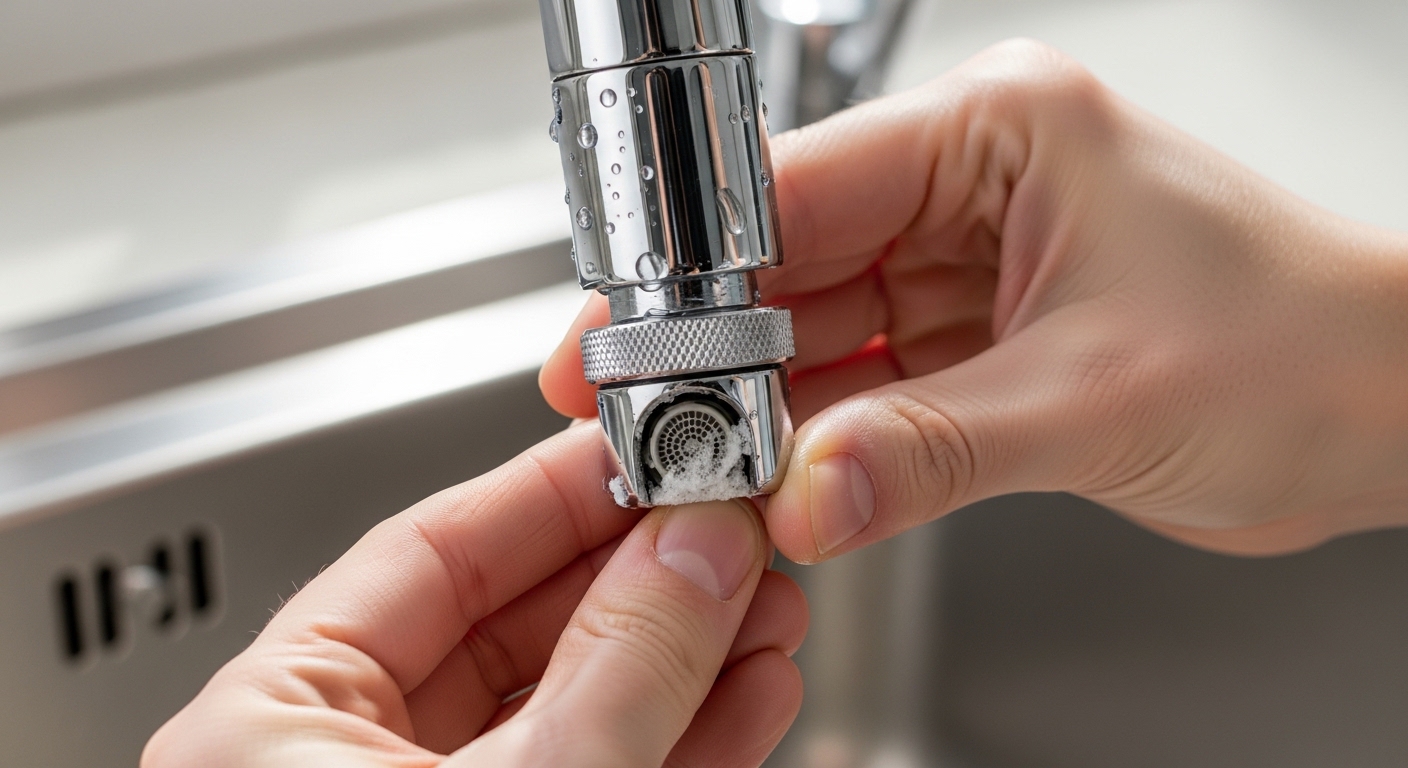
If you’re dealing with low water pressure from sink faucet outlets — a weak, dribbling stream when you know your house has decent pressure everywhere else — the good news is that the fix is usually cheap, fast, and completely DIY. In the vast majority of cases the culprit is a small mesh screen called the aerator, packed with sediment and hard-water minerals. Below, we’ll walk through exactly how to diagnose the cause in order (from most to least likely), how to fix each one, and when it’s actually worth calling a plumber.
This is a repair guide written by people who make faucets for a living, so we’ll be specific: real part names, real numbers, and the order a pro actually checks things in.
Why does only one faucet have low pressure when the rest of the house is fine?
If only one faucet is weak while your shower, tub, and other sinks are strong, the problem is local to that faucet — meaning the aerator, the faucet cartridge, or the shut-off valves under that specific sink. This is actually the best-case scenario because it rules out the water main, the pressure regulator, and the well pump entirely.
Here’s the logic a plumber uses: water pressure that drops at a single fixture points to a restriction somewhere between the shut-off valves under that sink and the tip of the spout. That’s a very short stretch of plumbing with only a handful of possible clog points. If every faucet in the house is weak, that’s a different, whole-house problem (regulator, main line, or municipal supply) — we cover that further down.
Run this quick test first: does the faucet run weak on both hot and cold, or just one?
- Weak on both hot and cold: the restriction is at or near the spout — most likely the aerator or the cartridge. This is the most common case.
- Weak on only hot (or only cold): the problem is on that one supply line — usually a partly closed shut-off valve, or sediment in that line, or a failing water heater on the hot side.
How do I clean a clogged faucet aerator to fix low pressure?
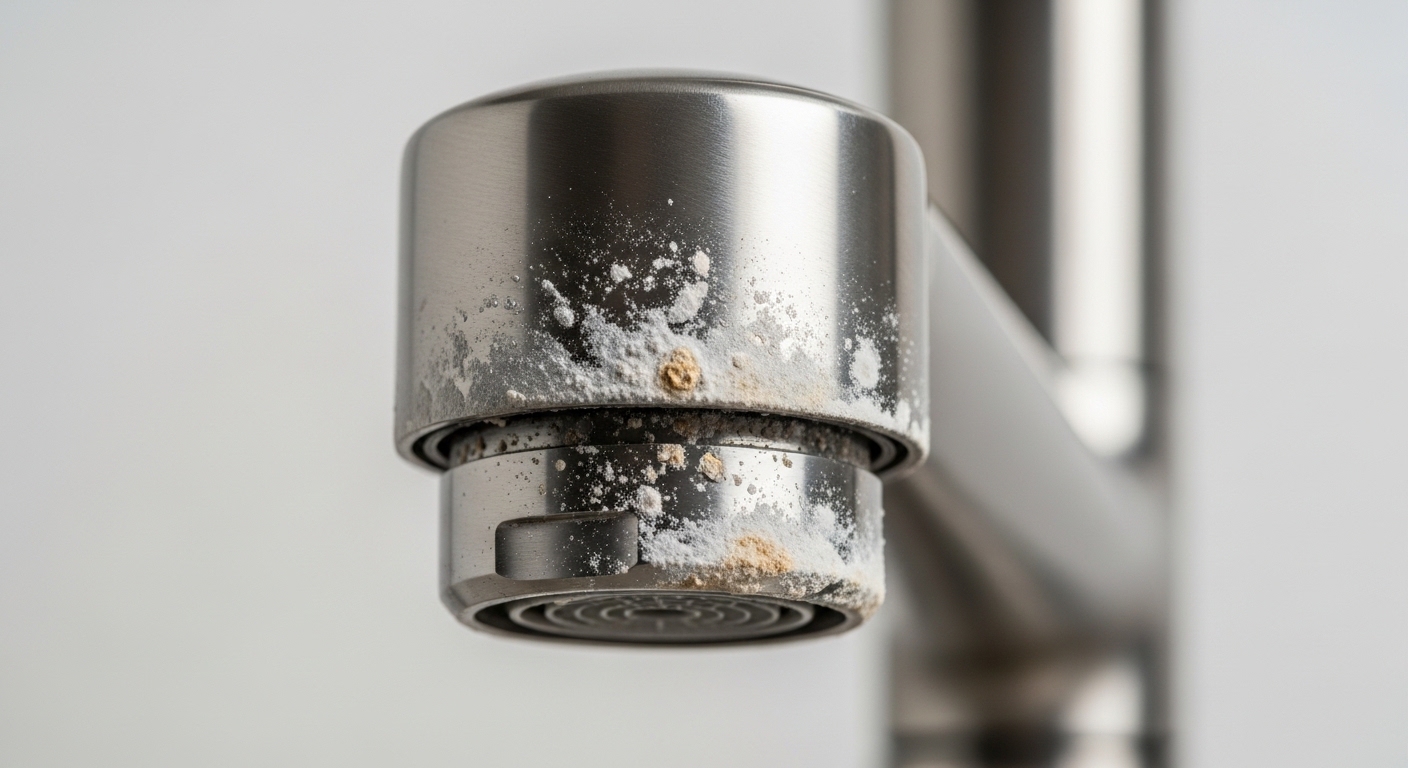
Unscrew the aerator from the tip of the spout, rinse out the debris, soak it in white vinegar for 20–30 minutes to dissolve mineral scale, scrub the mesh with an old toothbrush, and screw it back on. This single fix resolves most low-pressure complaints because the aerator is the finest screen in the whole faucet — everything the water carries gets trapped there first.
Step by step:
- Remove the aerator. Most unscrew by hand (turn clockwise as you look up at it, since you’re facing its underside). If it’s stuck, wrap the tip in a cloth to protect the finish and use pliers gently. Some newer faucets use a hidden “cache” aerator that needs a small key tool that came in the box.
- Note the order of the parts. Inside you’ll find a small screen, a plastic flow restrictor, and a rubber washer. Lay them out in order so reassembly is easy.
- Rinse and inspect. Run the faucet with the aerator off — if the flow is now strong and full, you’ve confirmed the aerator was the problem.
- Soak in white vinegar for 20–30 minutes (overnight for heavy scale). Vinegar dissolves the calcium and lime that builds up in hard-water areas.
- Scrub and reassemble. Brush the mesh clean, reassemble in the same order, and hand-tighten back on.
If you want the deeper background on what that little screen actually does and how to pick a replacement, our guide on what a faucet aerator for a kitchen sink actually does breaks down flow ratings (GPM) and thread sizes so you buy the right one. And if the buildup keeps coming back, that’s a hard-water symptom — the same issue behind those hard water stains on a stainless steel faucet.
Could the shut-off valve under my sink be the cause?
Yes — a partly closed shut-off valve is the second most common cause of low pressure at a single faucet, and it’s a 10-second fix. Look under the sink, find the two small oval or football-shaped handles (hot and cold) on the supply lines, and make sure each is turned fully counterclockwise (open). People bump these while storing cleaning supplies, or a plumber left one only half-open after a repair.
While you’re down there, check three things:
- Valve fully open? Turn each handle counterclockwise until it stops. If pressure improves, that was it.
- Supply hoses kinked? The braided steel supply lines can pinch behind a stored bucket or a trash bin, choking flow. Straighten any sharp bends.
- Old multi-turn valves clogged? Older gate-style valves collect sediment internally. If a valve is fully open but that side is still weak, the valve itself may be restricted and worth replacing (a ~$10 quarter-turn valve is a big upgrade).
What if cleaning the aerator didn’t fix the low water pressure?
If the aerator is clean and the valves are fully open but you still have low water pressure from sink faucet outlets, the next suspects are the faucet cartridge, sediment in the supply lines, or a clogged pull-out spray hose. Work through them in this order — cheapest and most likely first.
Sediment in the supply lines (especially after plumbing work)
If the low pressure started right after a repair, a new water heater, or a municipal main break, sediment or pipe scale got knocked loose and lodged somewhere downstream. To flush it: turn off both shut-off valves, disconnect the supply hoses at the faucet, aim them into a bucket, and briefly open the valves to blast out debris. Then remove the cartridge and flush the faucet body itself. This clears grit that’s too big to pass the cartridge but too far in to see.
A clogged or worn cartridge
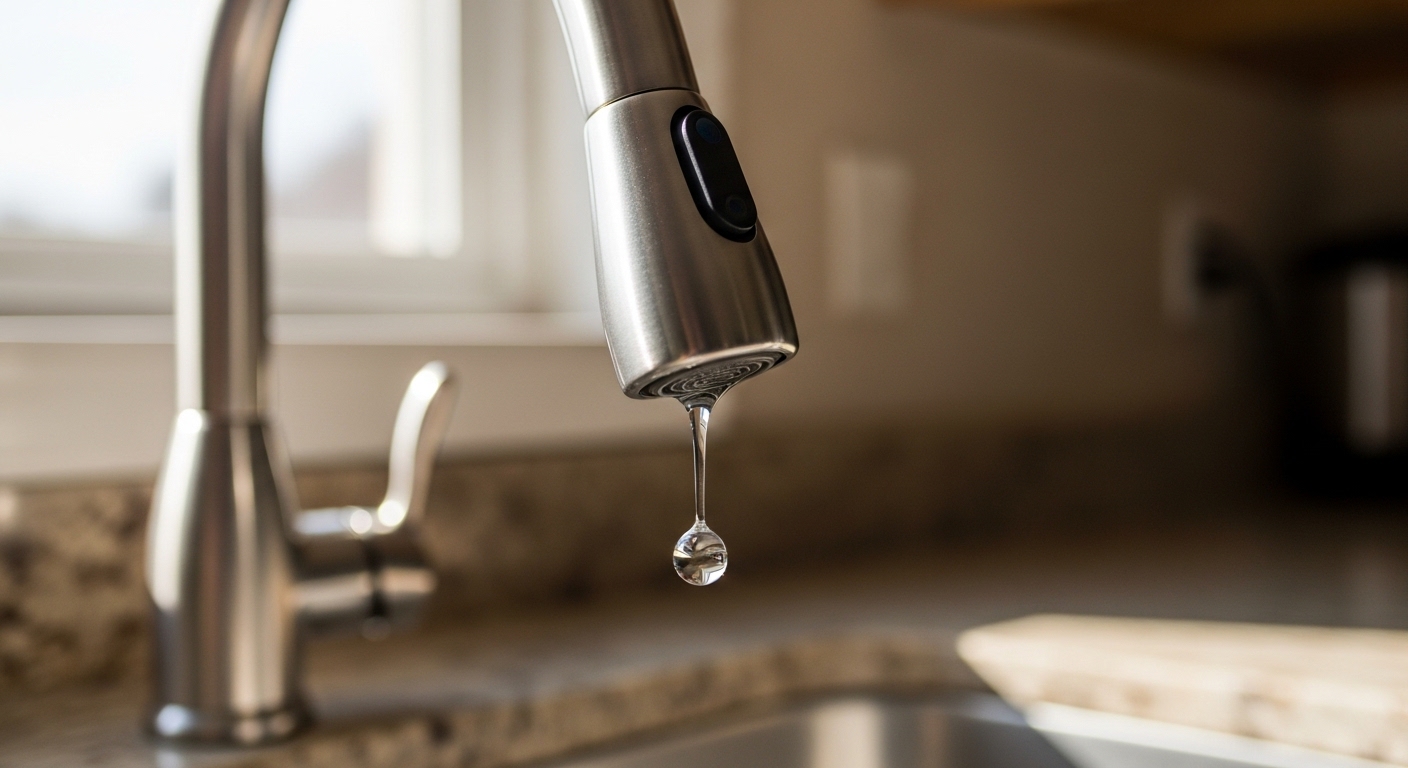
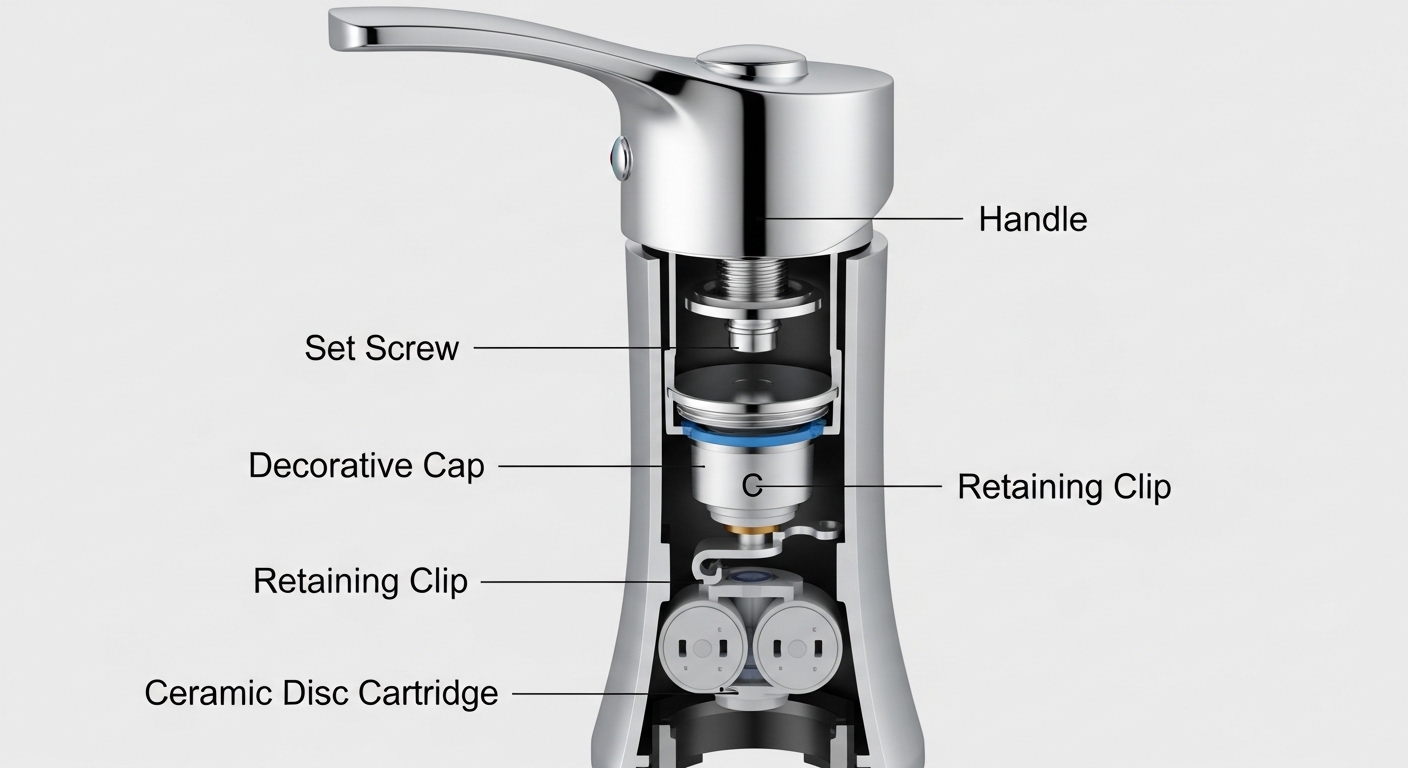
The cartridge is the valve inside the faucet that mixes hot and cold and controls flow. Over years, mineral scale narrows its internal passages, or a rubber seal swells and blocks flow. Replacing a cartridge is a 20-minute job with basic tools, and a genuine replacement cartridge typically runs $15–$40. If your faucet also drips, the cartridge is doubly suspect — the same part is behind a leaky single-handle kitchen faucet that keeps dripping, so replacing it can solve both problems at once.
A kinked or clogged pull-out spray hose
On pull-down and pull-out kitchen faucets, the flexible hose under the sink can kink around the water lines or get gunked up at the wand connection. Pull the wand out fully, check the hose runs freely through its guide, and clean the small screen where the wand connects to the hose.
How do I tell a single-faucet problem from a whole-house pressure problem?
Turn on two or three other faucets around the house. If they’re all weak, you have a whole-house issue and should stop taking the faucet apart. If only the one is weak, keep working on that faucet. It’s the single fastest diagnostic split you can make.
Here’s a quick reference table for matching your symptom to the likely cause and fix:
| Symptom | Most Likely Cause | Typical Fix | DIY Difficulty |
|---|---|---|---|
| One faucet weak, both hot & cold | Clogged aerator | Clean or replace aerator | Very easy (10 min) |
| One faucet weak, only hot OR only cold | Partly closed shut-off valve or line sediment | Open valve fully / flush line | Easy (15 min) |
| One faucet weak after plumbing work | Loose sediment lodged in cartridge | Flush lines, clean cartridge | Moderate (30 min) |
| Pull-out spray weak | Kinked hose or clogged wand screen | Straighten hose, clean wand | Easy (15 min) |
| Every faucet in house weak | Failing pressure regulator or main issue | Test pressure, call plumber | Call a pro |
| Weak hot water everywhere | Sediment in water heater | Flush water heater | Moderate |
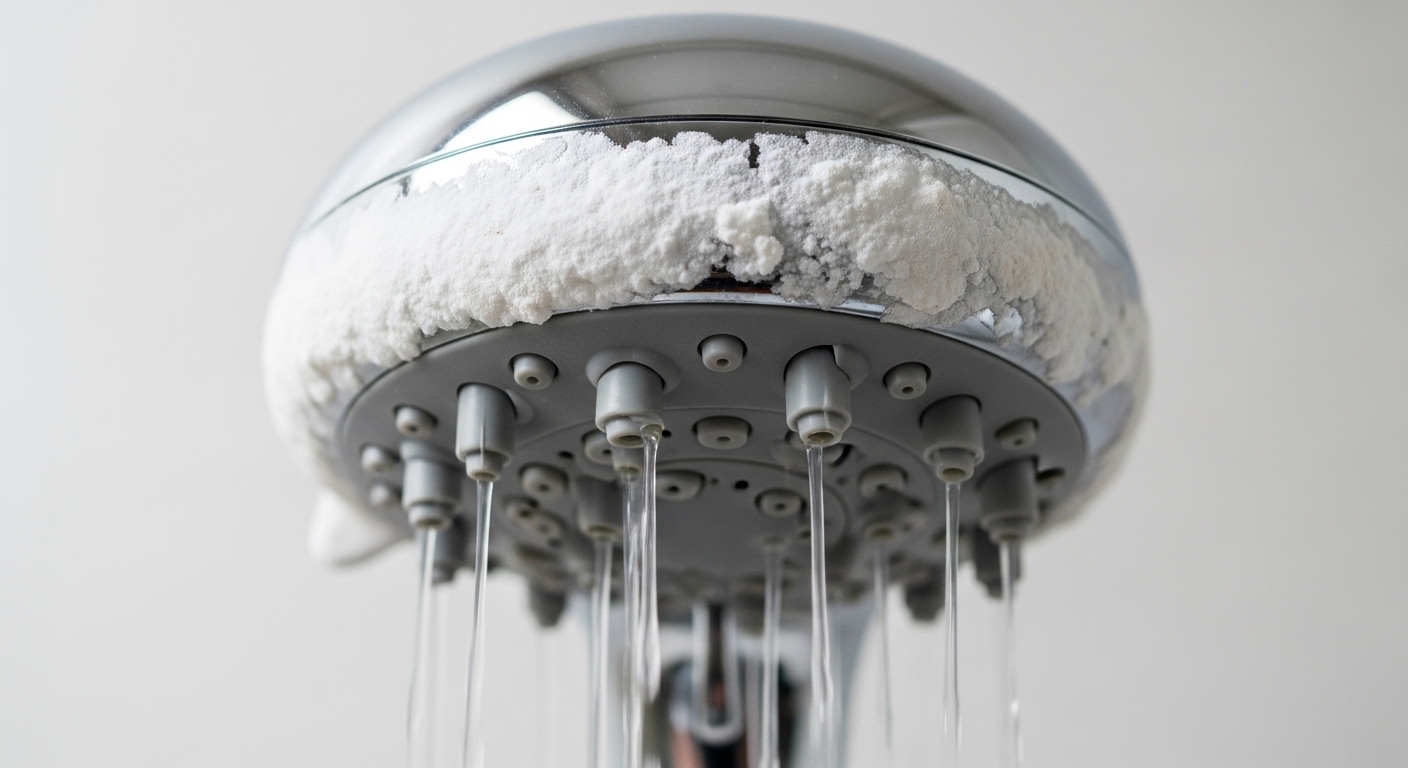
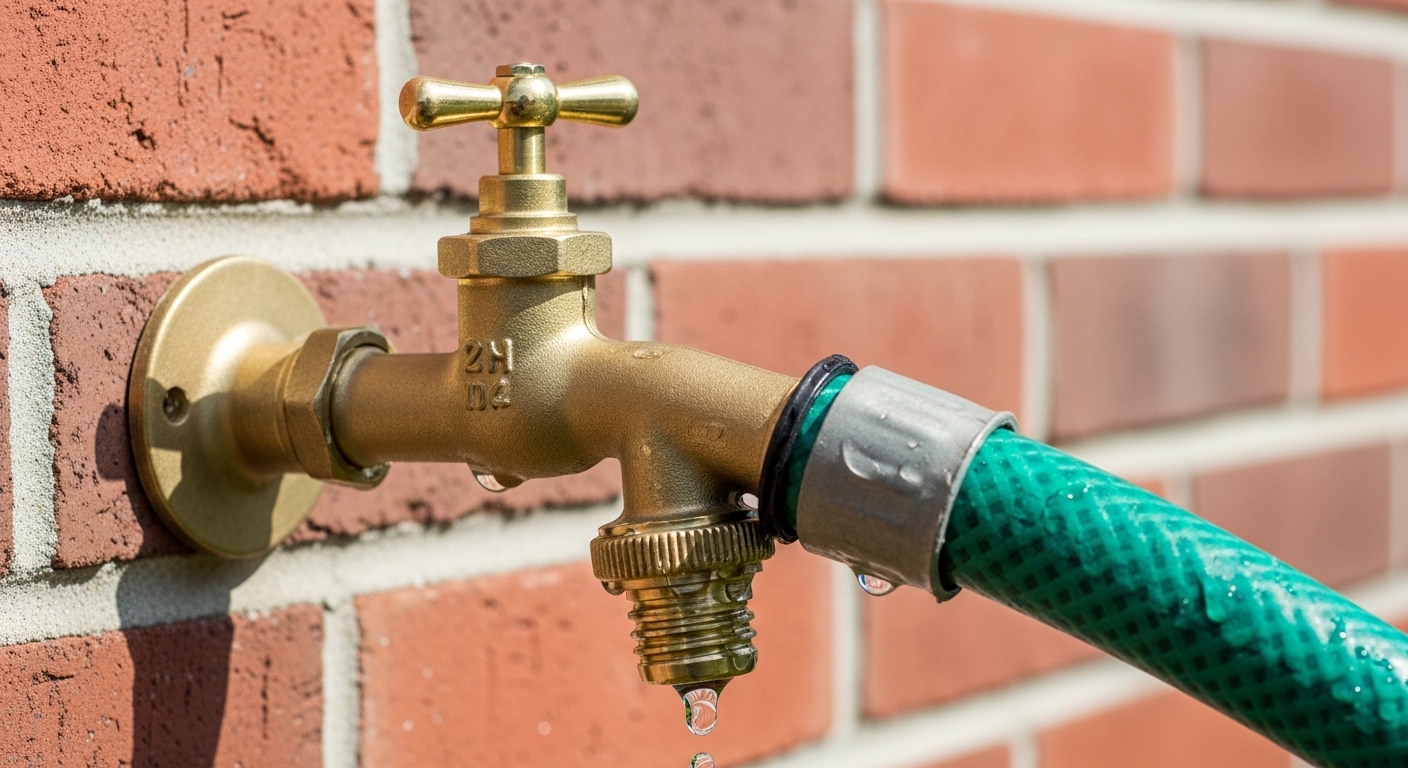
If the whole house is weak, buy a $12 water-pressure gauge that screws onto an outdoor hose bib or laundry faucet. Normal residential pressure is 40–60 psi. Below ~40 psi, your pressure regulator (usually near the main shut-off) may be failing, or the municipal supply is low. That’s the point to call a licensed plumber. Interestingly, the same diagnostic logic applies to bathing fixtures — if you’re chasing a weak shower too, our guide on why you’re getting low pressure out of a shower head uses the same aerator-versus-whole-house thinking.
How much does it cost to fix low water pressure at a sink faucet?
Most fixes cost between $0 and $40 in parts and take under 30 minutes, because the common causes — a dirty aerator or a half-closed valve — cost nothing to fix. You only approach real money if the faucet cartridge is shot ($15–$40) or the faucet is old enough that replacement makes more sense than repair.
- Clean the aerator: $0 (just vinegar you already own)
- New aerator: $5–$12
- New quarter-turn shut-off valve: $8–$15 each
- Replacement cartridge: $15–$40
- New faucet (if the body is corroded internally): $60–$250 for a quality unit
- Plumber visit (whole-house pressure diagnosis): $100–$250
If you decide the faucet itself is past its prime — internal corrosion, a discontinued cartridge you can’t source — a modern faucet with a ceramic-disc cartridge will hold pressure far better over its life. When you shop, check the connection type so your new unit matches your supply lines; our explainer on what a faucet adapter head is and which one you need helps you avoid an incompatible fitting.
How do I stop low pressure from coming back?
Clean the aerator every 6–12 months and, if you have hard water, consider a whole-house filter or softener — because mineral scale is what re-clogs everything. Prevention is mostly about keeping minerals and sediment out of that fine aerator mesh.
A few habits that genuinely help:
- Descale the aerator twice a year in hard-water regions. It’s a two-minute vinegar soak.
- Flush the faucet after any plumbing work in the house so stirred-up sediment doesn’t settle in it.
- Replace old gate-style shut-off valves with quarter-turn ball valves — they don’t collect sediment the way multi-turn valves do.
- Consider point-of-use filtration if your water leaves visible scale on glassware; that scale is the same stuff clogging your faucet.
FAQ
Why does my faucet have low pressure only when using hot water?
Low pressure on hot water only usually means the hot-side shut-off valve is partly closed, or sediment has built up in your water heater and is restricting the hot supply. Start by fully opening the hot shut-off valve under the sink. If it’s already open, flushing your water heater tank (drain a few gallons from the bottom valve) often clears the sediment and restores hot-side pressure across the whole house.
Can a bad faucet cartridge cause low water pressure?
Yes. As a cartridge ages, mineral scale narrows its internal channels and rubber seals can swell, both of which choke flow even when the aerator is spotless. If you’ve cleaned the aerator and opened the valves but pressure is still weak — especially if the faucet also drips or the handle feels stiff — replacing the cartridge is the next step. Genuine cartridges run $15–$40 and install in about 20 minutes.
How do I know if the problem is my faucet or the whole house?
Turn on several other faucets around the house. If they all run weak, it’s a whole-house issue — likely a failing pressure regulator or a municipal supply problem — and you should test pressure with a gauge (normal is 40–60 psi) or call a plumber. If only the one faucet is weak, the problem is local to that faucet: aerator, valves, or cartridge.
Is low water pressure from a sink faucet dangerous or urgent?
No, it’s not dangerous — it’s a nuisance, not an emergency. A clogged aerator or partly closed valve poses no safety risk. The one exception worth noting: if low pressure appears suddenly across the whole house along with discolored water, that can signal a main line issue or a break, which is worth reporting to your water utility promptly.
Should I replace the whole faucet or just fix the low pressure?
Fix it first — cleaning the aerator or replacing a cartridge solves the problem for well under $40 and takes half an hour. Only replace the entire faucet if the body is internally corroded, the cartridge is discontinued and unavailable, or the faucet is old and you were already planning an upgrade. A modern ceramic-disc faucet will hold consistent pressure for years, but there’s no need to spend $150 to solve a $0 aerator clog.
Why did my faucet lose pressure right after the plumber left?
Because any plumbing work — a repair, a new water heater, or a shut-off and turn-on of the main — stirs up sediment and pipe scale that then lodges in the nearest fine screen, which is your aerator. Remove and rinse the aerator, and flush the supply lines into a bucket. This clears the debris that the work knocked loose and restores full flow.
Author note: This guide was written by the WOWOW Faucet product team, drawing on years of designing, bench-testing, and fielding customer service questions about kitchen and bathroom faucets. We’ve diagnosed low-pressure complaints on everything from budget bar faucets to commercial-style pull-downs, and the order of troubleshooting above reflects what actually resolves these calls in practice.
About WOWOW: WOWOW designs and sells kitchen and bathroom faucets, shower systems, and fixtures direct to homeowners across North America. Our faucets use ceramic-disc cartridges rated for 500,000 open-close cycles, are certified to NSF/ANSI 61 and cUPC standards for safe drinking-water contact, and are backed by a limited lifetime warranty on finish and function. If a pressure or flow issue traces back to a defective part rather than mineral buildup, that’s exactly what the warranty covers — reach out to our support team with your order number.