 WOWOW Faucets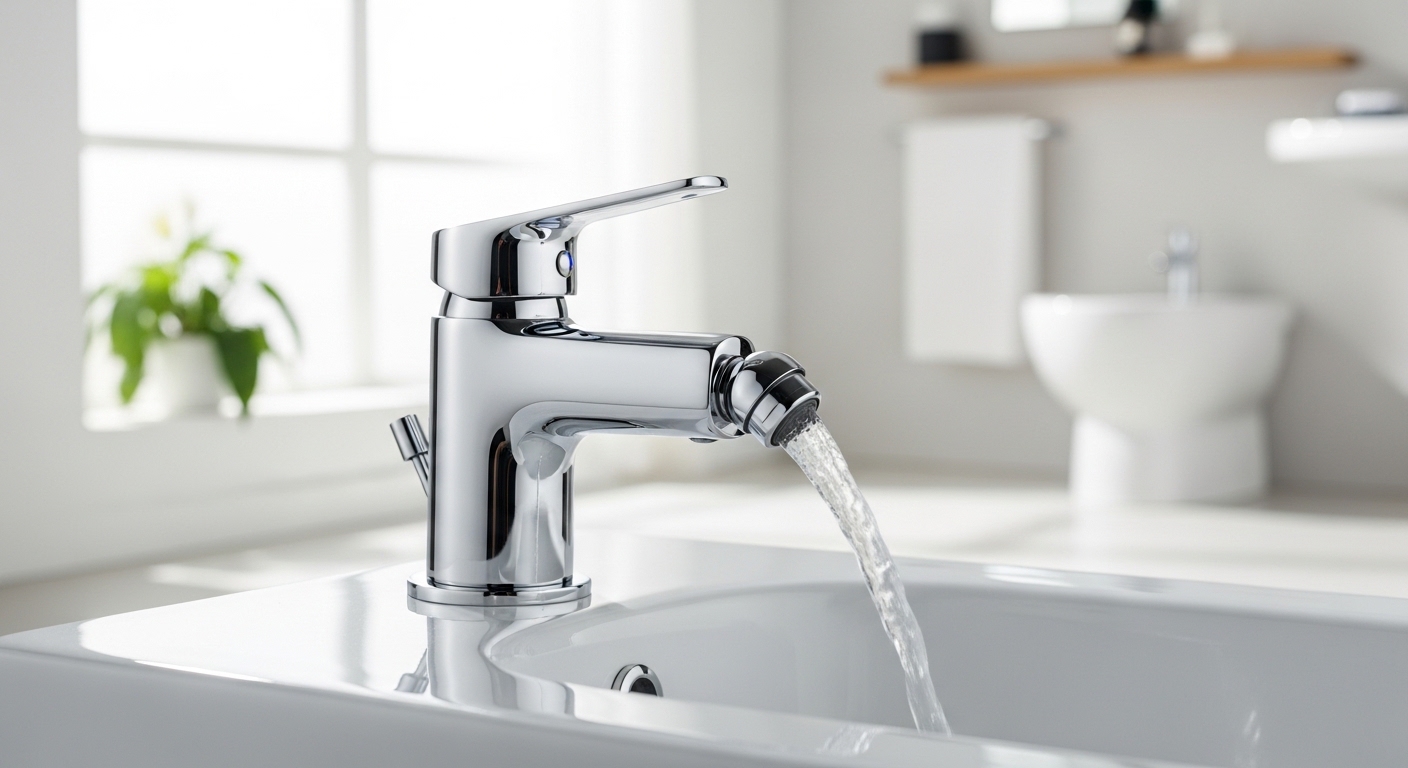
If you’ve been searching for a straight answer on bidet tap price, here it is without the runaround: expect to spend between $40 and $120 for a quality bidet mixer tap that will actually last, and treat anything under $25 with healthy suspicion. The number swings based on three things — the material inside the body, the valve cartridge, and the finish on the outside — and once you understand those three, you can spot an overpriced tap and a suspiciously cheap one in about ten seconds. This guide breaks down every price tier, what you get at each one, and where the smart money goes.
A bidet tap (sometimes called a bidet mixer or bidet faucet) is the compact deck-mounted mixer that sits on a standalone bidet bowl. It looks like a short bathroom basin tap but usually has a swivel spout and a pop-up drain lever, and it lives in a wetter, splashier environment than your sink — which is exactly why the internal quality matters more than the price sticker suggests.
How much does a bidet tap actually cost in 2026?
A bidet tap costs $25 to $400, but the meaningful range for a home is $40 to $120. Below $40 you’re gambling on zinc-alloy bodies and plastic cartridges; above $150 you’re paying for thermostatic control, premium finishes, or a designer name. Here’s how the tiers really shake out:
| Price tier | Typical price (USD) | What you get | Best for |
|---|---|---|---|
| Budget | $25–$40 | Zinc-alloy or thin brass body, plastic or basic ceramic cartridge, chrome only | Rentals, short-term use, backup bathrooms |
| Mid-range | $40–$120 | Solid brass body, quality ceramic disc cartridge, chrome/brushed nickel/matte black | Most family bathrooms — the value sweet spot |
| Premium | $120–$250 | Heavy forged brass, brand-name cartridge, PVD finishes, better warranty | Renovations, guest suites, long-term homes |
| Luxury / thermostatic | $250–$400+ | Thermostatic or designer models, lifetime finish warranty, premium packaging | High-end bathrooms, spa builds |
The reason the mid-range is so wide ($40–$120) is finish. A chrome version of a tap might sell for $55, while the exact same tap in matte black or brushed gold costs $85–$95 because the PVD (physical vapor deposition) coating adds real manufacturing cost. So part of your bidet tap price is simply the color you want on your wall.
Why do bidet tap prices vary so much — what am I actually paying for?
You’re paying for three things: body material, cartridge, and finish — in that order of importance. Everything else (spout shape, handle style, branding) is secondary. Understanding these lets you translate a price into real quality.
- Body material: Solid brass is the gold standard — it resists corrosion in a wet bidet environment and adds noticeable weight. Zinc-alloy bodies are lighter, cheaper, and far more likely to crack or pit within a couple of years. If a tap feels suspiciously light in the box, it’s usually zinc.
- Cartridge: This is the valve that controls flow and mixing, and it’s the part that fails first. A quality ceramic disc cartridge is rated for 300,000–500,000 open/close cycles. Cheap plastic or rubber-washer valves start dripping in months. A dripping bidet tap is almost always a dead cartridge, not a dead tap.
- Finish: Chrome is cheapest and toughest. Brushed nickel hides water spots. Matte black and brushed gold look premium but cost more because of the PVD process. Electroplated finishes are cheaper than PVD but scratch and fade faster.
Here’s the practical takeaway: a $30 tap and a $90 tap can look identical in a product photo. The difference is entirely inside — brass vs. zinc, ceramic vs. plastic — and that’s what you’re really buying when you pay more. If you want the deeper mechanics of how bidet mixing works, our explainer on what a bidet in faucet form is and whether it’s worth buying walks through the internals in plain language.
Is a cheap bidet tap under $30 ever worth it?
Sometimes — but only for the right situation. A sub-$30 bidet tap makes sense for a rental you’ll leave in a year, a rarely used guest bathroom, or a temporary fix. For a bathroom you use daily, it’s usually a false economy: you’ll replace it within 12–24 months, and you’ll pay the plumber (or spend the Saturday) twice.
The math is simple. A $28 zinc-alloy tap that dies in 18 months costs you more over five years than a $75 brass tap that lasts a decade — especially once you factor in installation labor, which can run $80–$150 if you hire it out. The tap itself is often the cheapest part of the whole job, so saving $40 on the tap to risk redoing the entire install rarely pays off.
That said, if you’re a confident DIYer who can swap a tap in under an hour and doesn’t mind doing it again, a budget tap is a reasonable gamble. Just buy from a seller with an easy return policy and check that the cartridge is at least ceramic, not rubber-washer.
What’s the price difference between a bidet tap and a bidet spray?
A deck-mounted bidet tap ($40–$120) and a handheld bidet spray ($20–$60) solve the same problem differently, and the price gap reflects what’s inside. A bidet tap is a full mixer valve with hot-and-cold blending; a bidet spray (or shattaf) is usually cold-only or piggybacks off your existing supply, so it’s mechanically simpler and cheaper.
| Feature | Bidet tap (mixer) | Handheld bidet spray |
|---|---|---|
| Typical price | $40–$120 | $20–$60 |
| Hot & cold mixing | Yes, built in | Usually cold only (unless T-valve added) |
| Requires a bidet bowl | Yes | No — mounts near the toilet |
| Installation effort | Moderate (deck mount + drain) | Easy (T-adapter on toilet supply) |
| Best for | Standalone bidet bowls | Adding bidet function to an existing toilet |
So if you already own a bidet bowl, you need a bidet tap — the spray isn’t an option. If you just want bidet functionality next to your toilet without a separate fixture, the handheld spray is the cheaper route. They’re not really competitors; they fit different bathrooms.
How do I install a bidet tap, and does that change the total price?
Installing a bidet tap yourself is a 45–90 minute job that costs nothing beyond the tap; hiring a plumber adds $80–$150 to your total. For most people with basic tools, DIY is very doable — a bidet tap installs almost exactly like a bathroom basin tap, with the added step of connecting the pop-up drain.
Here’s the basic sequence so you know what you’re getting into:
- Shut off the hot and cold supply valves under the bidet and open the old tap to relieve pressure.
- Disconnect the supply hoses and the pop-up drain linkage, then unscrew the old tap’s mounting nut from below.
- Drop the new tap into the deck hole, seat the rubber gasket, and tighten the mounting nut from underneath.
- Connect the flexible braided supply hoses (check the thread size matches — this trips people up).
- Fit the pop-up drain assembly, then turn the water back on and check every joint for leaks.
The one detail that catches DIYers is thread sizing on the supply connections. If you’re unsure what fitting you’re dealing with, our complete guide to tap thread sizing explains how to identify and match threads so you don’t end up with a slow drip behind the wall. And if the tap starts weeping after install, a leak almost always traces back to a loose connection or a pinched washer — the same fixes covered in our walkthrough on fixing a leaky faucet cartridge handle apply directly to bidet taps.
Which bidet tap finish gives the best value for the price?
Chrome is the best value, full stop — it’s the cheapest finish, the most durable, and the easiest to clean. If you want something more design-forward without a big price jump, brushed nickel is the smart upgrade because it hides water spots and fingerprints far better than chrome or black.
Here’s how the common finishes stack up on price and practicality:
- Chrome — cheapest, hardest, shows water spots. The value king.
- Brushed nickel — small premium (~$15–$30 more), hides spots and smudges beautifully. Best all-rounder for busy bathrooms.
- Matte black — trendy, ~$25–$40 premium, shows limescale and dried water droplets more than you’d think. Great look if you keep up with cleaning.
- Brushed gold / champagne bronze — the biggest premium (~$40–$60 more), warm and luxurious, best paired with a PVD coating so it doesn’t wear off.
One tip: if you’re building a whole bathroom, keep your bidet tap finish consistent with your basin and shower fixtures. A mismatched finish is the fastest way to make a nice bathroom look accidental. If limescale on a darker finish becomes a headache, the descaling method in our guide to cleaning a clogged sink shower head works just as well on a spotted bidet tap spout and aerator.
What’s the best bidet tap price for a family bathroom?
For a family bathroom that gets daily use, budget $60–$100 for the bidet tap. That range buys you a solid brass body, a genuine ceramic disc cartridge, and your choice of durable finish — the three things that determine whether the tap lasts a decade or dies in a year. Spending more than $120 rarely improves daily performance unless you specifically want thermostatic control or a designer finish.
Think of it this way: the $60–$100 tap isn’t a compromise between cheap and expensive — it’s the tier where the engineering is already good and everything above it is paying for luxury, not longevity. A well-made $80 bidet tap and a $250 designer tap use very similar cartridges; you’re mostly paying for the badge and the box above $150.
E-E-A-T: Who’s behind this guide, and why trust these numbers?
About the author: This guide was written by the wowowfaucet product team, drawing on years of hands-on testing across hundreds of bathroom and kitchen fixtures — installing them, running cartridge cycle tests, and stress-testing finishes against water spotting and corrosion. The price ranges here reflect real 2026 retail pricing across major markets, not manufacturer wishful thinking.
Brand credibility: wowowfaucet designs and sells faucets, showers, and bathroom fixtures direct to consumers, cutting out the middleman markup that inflates traditional bidet tap prices. Our taps use solid brass bodies and ceramic disc cartridges as standard — the exact quality markers we tell you to look for above — and every mixer is pressure-tested before it ships.
Standards & warranty: Quality bidet taps should meet recognized plumbing standards for lead-free brass and flow (in the US, look for cUPC/NSF certification), and a reputable tap carries a finish warranty of at least 5 years, with premium models offering limited lifetime coverage on the cartridge and finish. If a seller won’t state the body material or offers no warranty at all, that’s your signal to walk away — no matter how low the price.
FAQ
How much does a bidet tap cost on average?
On average, a good-quality bidet tap costs $40–$120, with most family bathrooms best served in the $60–$100 range. Budget models start around $25 and premium or thermostatic bidet taps can reach $250–$400. The single biggest price driver is the body material — solid brass costs more than zinc-alloy but lasts far longer.
Why are some bidet taps so cheap — are they safe to buy?
Cheap bidet taps (under $30) are usually made from zinc-alloy instead of brass and use plastic cartridges instead of ceramic, which is why they’re inexpensive. They’re safe in the sense that they’ll work initially, but they tend to drip, corrode, or fail within 12–24 months. They’re fine for rentals or backup bathrooms, but a poor choice for a bathroom you use every day.
Is a bidet tap the same price as a regular basin tap?
Bidet taps and basin taps are priced almost identically because they’re built the same way — same mixer valve, same cartridge, same finishes. A bidet tap often includes a pop-up drain assembly, which can add a few dollars, but you’ll find both in the same $40–$120 mid-range for quality models.
Does installation add much to the total bidet tap price?
DIY installation adds nothing beyond the tap and takes 45–90 minutes for most people. Hiring a plumber adds roughly $80–$150 depending on your area. Because the tap itself is often the cheapest part of the job, it rarely makes sense to buy a low-quality tap just to save $40 — you risk paying for installation twice.
What finish offers the best value for a bidet tap?
Chrome offers the best raw value — it’s the cheapest finish and the most durable. Brushed nickel is the best all-around choice for a small premium because it hides water spots and fingerprints. Matte black and brushed gold look premium but cost $25–$60 more and show limescale more readily, so factor in cleaning effort.
How long should a bidet tap last for the price I pay?
A quality brass bidet tap in the $60–$120 range should last 8–12 years with normal use, and its ceramic cartridge is typically rated for 300,000–500,000 cycles. A budget zinc-alloy tap often lasts only 1–2 years before dripping or corroding. Look for at least a 5-year finish warranty as a signal of expected lifespan.
\n
Related Guides
\n
- \n
- Kohler Vs American Standard Vs Toto Toilets: Which Is Better
- Who Makes Kohler Toilets – Where Are Kohler Toilets Made
- Who Makes American Standard Toilets – Where Are American Standard Toilets Made
\n
\n
\n
\n