 WOWOW Faucets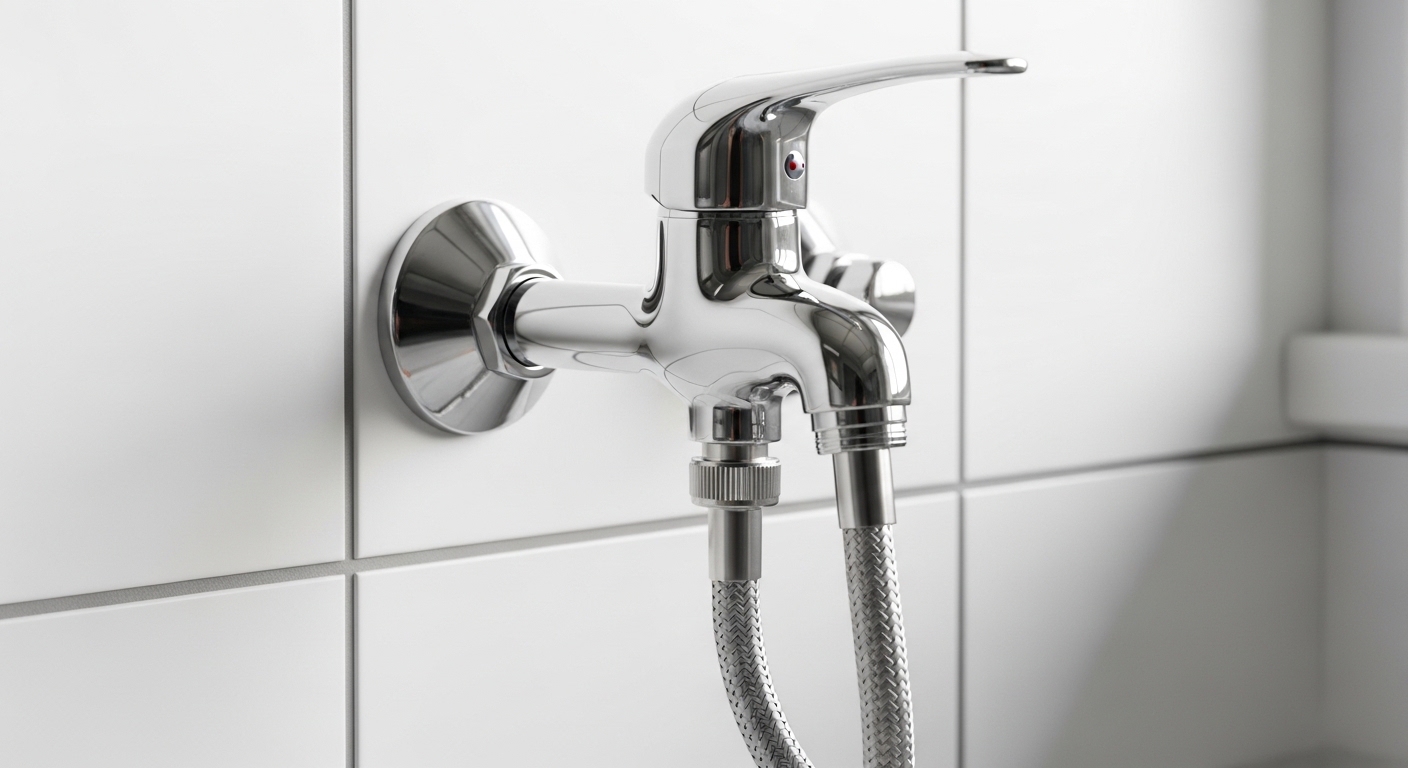
If you’ve been searching for a jaquar washing machine faucet, you’re almost certainly staring at a laundry corner, a rubber inlet hose, and one nagging question: will this specific tap actually fit my machine and stop dripping for good? The short answer is that Jaquar’s washing machine bib cocks are engineered exactly for that job — a single-outlet, wall-mounted valve with a hose-friendly nozzle and a ceramic cartridge that shuts off in a 90-degree turn. Below, I’ll walk you through what it is, how to size it, how it compares to alternatives, and how to install it without flooding your utility room.
What exactly is a Jaquar washing machine faucet, and how is it different from a normal tap?
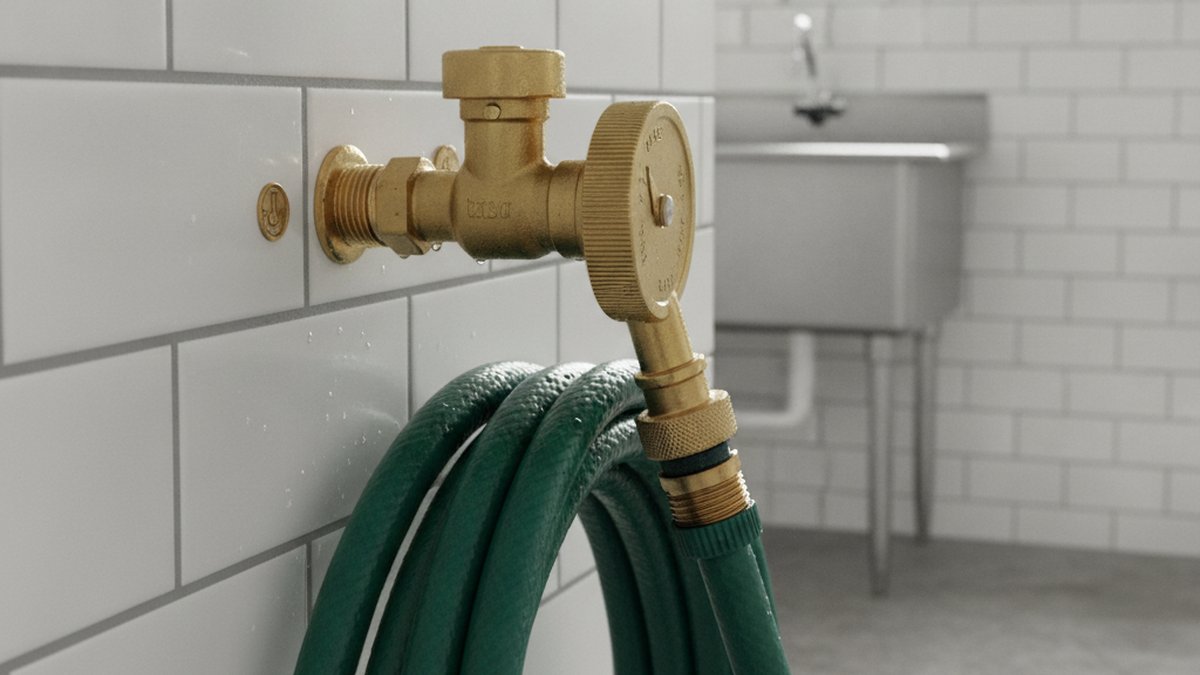
It’s a purpose-built bib tap (also called a bib cock or nozzle bib cock) designed to supply cold water to an appliance hose rather than to fill a sink. The key difference from a regular basin or kitchen faucet is the outlet: instead of a spout that pours into a basin, it ends in a short externally-threaded nozzle that a washing machine’s rubber or braided inlet hose screws directly onto.
Three features define this category. First, the quarter-turn ceramic disc cartridge — one 90° flick fully opens or closes the valve, so there’s no slow rubber-washer wear and far less dripping over time. Second, the threaded hose nozzle, typically 3/4″ BSP male, which matches the standard washing-machine inlet coupling used across most of the world. Third, a corrosion-resistant brass body with chrome plating, because laundry areas are humid and a cheap zinc-alloy tap will pit and seize within a couple of years.
Jaquar specifically builds these in its Continental, Florentine, and Solo ranges, and the appliance-specific SKUs are usually labeled “Bib Cock with Nozzle for connection to washing machine.” That labeling matters — a generic bib cock without the correct nozzle profile won’t grip an inlet hose properly.
Which Jaquar washing machine faucet should I buy for a standard front-loader under a tight budget?
For a standard front-loading machine in a normal home, choose a quarter-turn nozzle bib cock with a 15mm (1/2″) inlet and a 3/4″ BSP outlet nozzle in full brass with chrome finish — that’s the sweet spot for durability and price. The turn style and inlet size are what actually matter for fit; the styling range (Continental vs. Florentine) is mostly about the handle look.
Here’s the practical decision path most buyers should follow:
- Valve type: Insist on quarter-turn ceramic disc, not a screw-down rubber washer type. Ceramic lasts longer and won’t chatter or drip.
- Inlet size: Almost all home water lines are 1/2″ (15mm) BSP. Confirm yours before ordering.
- Outlet nozzle: 3/4″ BSP male is the near-universal washing machine hose thread. Verify your hose collar.
- Body material: Forged brass. Skip zinc alloy for a wet laundry environment.
- Finish: Chrome is the safe, easy-to-clean default; matte black and stainless looks exist if you’re styling the room.
If you want to understand the male-thread conventions in more depth before you commit, our deep dive on bar tap thread sizing explains BSP vs. NPT and how to read a thread gauge — the same logic applies directly to a washing machine nozzle.
How do I know the thread size and connection will actually fit my washing machine?
Match two numbers: the faucet’s inlet thread to your wall pipe (usually 1/2″ BSP) and the faucet’s outlet nozzle to your machine’s inlet hose collar (usually 3/4″ BSP). If both match, you’re set; if the outlet is a plain nozzle instead of a thread, you’ll rely on the hose’s rubber cuff and a hose clamp instead of a screw coupling.
This is the single most common failure point, so slow down here. Washing machine inlet hoses almost universally use a 3/4″ BSP female swivel coupling with a rubber washer inside. A Jaquar “nozzle bib cock for washing machine” is designed to accept exactly that. But there are two nozzle styles floating around:
| Nozzle style | How the hose attaches | Best for |
|---|---|---|
| Threaded 3/4″ BSP nozzle | Hose collar screws on with a rubber washer — sealed, permanent | Front/top-load washers with standard braided or rubber inlet hoses |
| Plain barbed/hose nozzle | Push-fit hose slid over the barb, secured with a jubilee/hose clamp | Older machines or garden-style rubber hoses without a screw collar |
If you’re unsure which your hose uses, look at the end of the inlet hose: a ridged plastic or metal ring you can spin by hand means a threaded coupling — buy the threaded nozzle version. When the threads are close but not identical (say your line is 3/4″ but the tap is 1/2″), a small brass reducer solves it. Our guide to finding a faucet extension adapter that actually fits your sink covers the same adapter-matching skill, and it’s worth a read before you make a second trip to the hardware store.
Is a Jaquar washing machine faucet better than a Grohe, local brass, or generic tap?
For most homes, Jaquar hits the best balance of build quality and price — it’s more durable than a cheap generic tap and noticeably cheaper than premium European brands like Grohe or Hansgrohe, while using the same ceramic-disc technology. You’re paying for reliable brass and a quiet quarter-turn, not a designer badge.
| Option | Valve tech | Body | Relative price | Best fit |
|---|---|---|---|---|
| Jaquar nozzle bib cock | Quarter-turn ceramic disc | Forged brass, chrome | Mid | Everyday homes wanting reliability without overpaying |
| Grohe / Hansgrohe appliance tap | Ceramic disc | Premium brass | High | Design-led renovations, matched fixture sets |
| Generic zinc-alloy bib cock | Often rubber washer | Zinc alloy | Low | Short-term rentals, throwaway installs |
| Local no-name brass tap | Varies | Brass (variable grade) | Low–mid | Budget builds where you can inspect quality in person |
The real story is longevity. A rubber-washer tap on a laundry line gets opened and closed constantly — and every open/close grinds the washer a little more, which is why so many old laundry taps weep at the spindle. A ceramic-disc quarter-turn like Jaquar’s sidesteps that wear pattern entirely. If your current tap is already dripping around the handle, that’s a washer problem, and the same principle behind fixing a leaky cartridge handle explains why upgrading to a ceramic cartridge is the durable fix rather than repacking an old spindle.
How do I install a Jaquar washing machine faucet myself in about 20 minutes?
Shut off the main water supply, unscrew the old tap, wrap the new faucet’s inlet threads with PTFE (plumber’s) tape, hand-tighten it into the wall elbow, then snug it a quarter turn with a wrench and connect the hose. From start to finish it’s roughly a 20-minute job with no special tools beyond an adjustable wrench.
Step by step:
- Turn off the water at the main stopcock. Open the old tap to release pressure and drain the line.
- Remove the old bib cock by turning it counter-clockwise out of the wall elbow. Some resistance is normal — brace the wall pipe if it wants to twist.
- Clean the elbow threads and check for old tape or debris. A clean thread seals far better.
- Wrap PTFE tape clockwise around the faucet’s inlet thread, 6–8 tight wraps. This is your seal — don’t skip it.
- Thread the faucet in by hand until snug, then use a wrench to align it pointing down and add no more than a quarter turn. Overtightening cracks fittings.
- Attach the inlet hose — screw the 3/4″ collar onto the nozzle with its rubber washer seated, hand-tight plus a gentle nudge.
- Restore water, open the tap, and inspect both the wall joint and the hose collar for weeping. Tighten slightly if you see droplets.
One tip from experience: don’t reuse an old, hardened rubber hose washer. A 20-cent new washer prevents the slow drip that quietly rots a laundry cabinet floor over months. If you’ll also be running a hose outdoors from the same area, our guide to connecting indoor faucets to outdoor hoses shows how to branch that connection safely.
Will a Jaquar washing machine faucet drip or hammer, and how do I prevent it?
A properly installed ceramic-disc Jaquar bib cock shouldn’t drip; if it does, the cause is almost always a loose hose washer, missing PTFE tape at the inlet, or debris caught on the ceramic seat — not a faulty valve. Water hammer (a bang when the machine’s solenoid snaps shut) comes from the plumbing, not the tap, and is fixed with a mini hammer arrestor.
Quick diagnostics:
- Drip at the nozzle when closed: Grit on the ceramic disc. Open/close a few times to flush it; if it persists, unscrew the cartridge and rinse it.
- Weep at the wall joint: Insufficient PTFE tape. Redo the inlet with fresh tape.
- Weep at the hose collar: Worn or misseated rubber washer. Replace it.
- Banging on shut-off: Install a mini water-hammer arrestor on the supply, or lower system pressure.
Because these taps are typically full brass with a chrome finish, cleaning is easy — a wipe with mild soapy water keeps limescale off. Avoid abrasive pads, which scratch chrome and give limescale a rougher surface to cling to.
Author note, brand credibility, and standards
This guide was written by the WowowFaucet product team — we’ve been designing and selling faucets, bib taps, and appliance connections for over a decade, and we test valve cartridges for endurance (open/close cycling) and pressure-holding before we recommend a configuration. While Jaquar is a separate manufacturer, the engineering principles here — ceramic-disc longevity, BSP thread matching, PTFE sealing — are exactly what we verify in our own product line.
On standards: reputable washing machine bib taps, including Jaquar’s, are built to ceramic-disc cartridge norms and pressure ratings suitable for household mains (typically rated well above standard 3–5 bar supply pressure). Always check the specific SKU’s warranty — quality brass bib cocks commonly carry multi-year warranties on the body and cartridge, and registering yours protects that coverage. If a tap has no stated pressure rating or warranty, treat that as a red flag.
FAQ
What thread size is a Jaquar washing machine faucet?
Most Jaquar washing machine bib cocks use a 1/2″ (15mm) BSP inlet to connect to your wall pipe and a 3/4″ BSP male nozzle to accept the washing machine’s inlet hose. Always confirm both against your existing plumbing and hose collar before buying.
Can I connect a dishwasher to the same type of faucet?
Yes. A standard dishwasher inlet hose uses the same 3/4″ BSP coupling as a washing machine, so a nozzle bib cock rated for one works for the other. If your dishwasher line is a different size, add a small brass reducer rather than forcing an ill-fitting collar.
Do I need a hot and cold version, or just cold?
Most modern washing machines heat their own water and only need a single cold feed, so one bib cock is enough. If you have an older twin-inlet machine, you’ll need two taps — one on the hot line and one on the cold — or a dual bib cock designed for that setup.
Why is my washing machine faucet dripping even though it’s new?
A new tap that drips is nearly always an installation issue, not a defect. Check that the inlet threads have enough PTFE tape, that the hose washer is seated and undamaged, and that no grit is lodged on the ceramic disc. Correcting those three things resolves the vast majority of new-install drips.
Is a quarter-turn bib cock really better than a screw-down washer tap?
For a laundry line, yes. A quarter-turn ceramic-disc valve opens and closes in one motion and doesn’t rely on a rubber washer that wears with every use, so it stays leak-free far longer than a traditional screw-down tap — which is exactly why it’s worth the small price premium.
What’s the best finish for a laundry room faucet?
Chrome is the practical default — it resists corrosion in humid laundry air, wipes clean easily, and hides water spots better than most finishes. Matte black and stainless looks are available if you’re matching a design scheme, but functionally chrome is the low-maintenance winner.
\n
Related Guides
\n
- \n
- What are The Different Types of Bathroom Faucets
- Best White Kitchen Faucets – Buying Guide & Reviews
- The Best Faucet Brands to Consider in 2026
- What is The Standard Size Hole for A Kitchen or Bathroom Faucet
\n
\n
\n
\n
\n