 WOWOW Faucets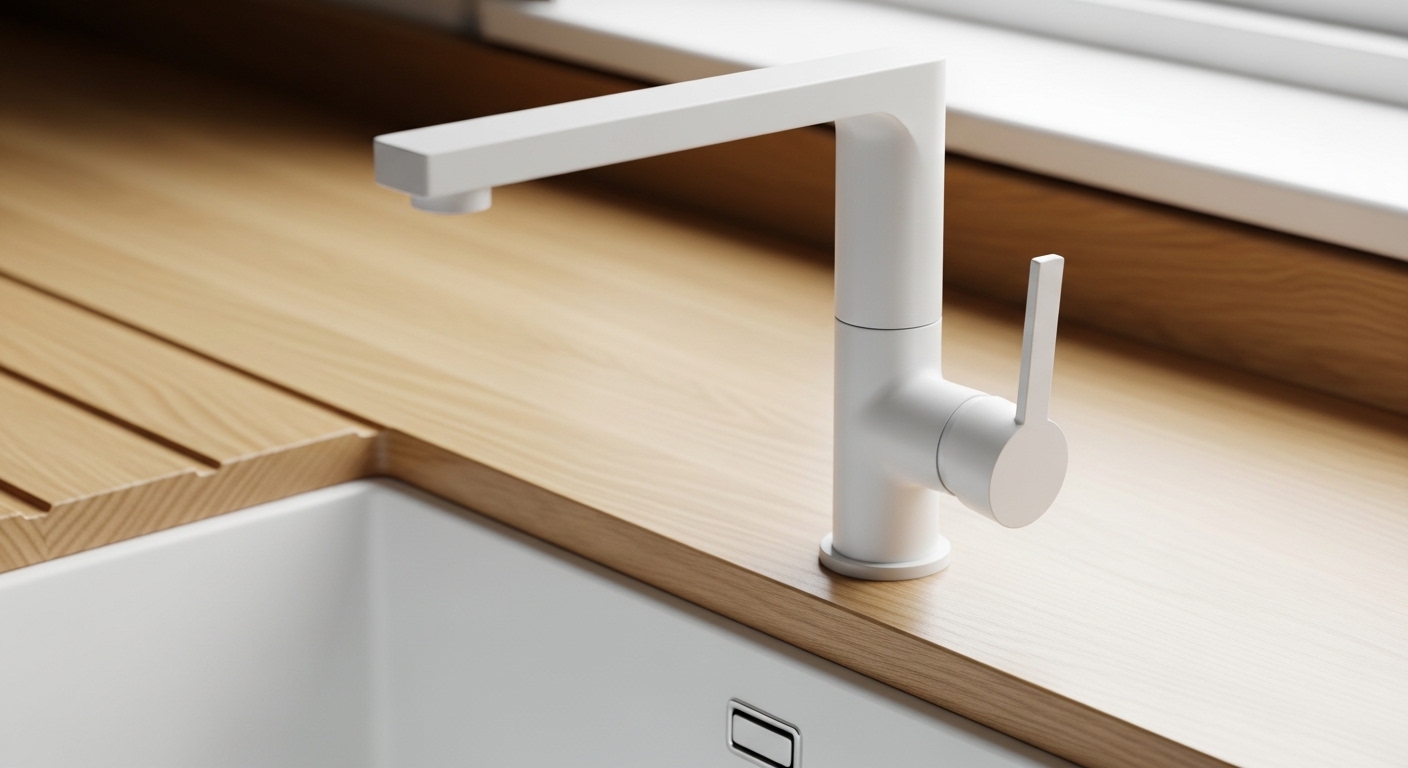
If you’ve been searching for white kitchen taps b&q stocks, you’re clearly after that clean, modern look — a white tap that pops against a wood worktop or blends into a Scandi-style kitchen. B&Q is a sensible first stop because you can see finishes in person, check stock at your local store, and return easily. But “white” hides a lot of detail: is it painted, powder-coated, or a fired ceramic-style finish? Does it chip? Does it come with a pull-out spray? Below, we answer the real questions people ask before buying — the same ones showing up in Google autocomplete and on Reddit’s kitchen forums.
Are white kitchen taps at B&Q actually good, or just cheap?
They’re genuinely decent for the money, but they sit at the value end of the market. Most white taps at B&Q are entry-to-mid mixers priced around £40–£150, built on a brass or zinc-alloy body with a white powder-coated or painted finish. For a rental, a quick kitchen refresh, or a tight renovation budget, that’s perfectly fine. What you’re trading off is finish durability and spray-head options — the premium coatings that survive years of pans, rings, and cleaning sprays usually live in specialist ranges, not general DIY-shed stock.
The honest rule of thumb: a white tap is only as good as its coating. A cheap painted layer over zinc can chip at the spout tip or around the base within a couple of years. A properly baked powder coat or PVD-style white over solid brass holds up far longer. Always check the product spec for the base material and the finish type before you judge the price.
What finish types are you actually choosing between?
“White” isn’t one thing. Here’s what you’ll run into when you compare white kitchen taps across B&Q and other retailers:
- Painted / lacquered white: cheapest, brightest gloss, most prone to chipping and yellowing near hot water.
- Powder-coated white: a baked-on layer that’s far tougher than paint — the sweet spot for most kitchens.
- Matte / stone white: a soft, on-trend flat finish that hides water spots and fingerprints beautifully.
- Ceramic-look white: premium, glass-hard, very stain-resistant, usually the priciest option.
- White + chrome two-tone: white body with a chrome lever or spout tip, a good compromise for durability at contact points.
How much should you expect to pay for a white kitchen tap in 2026?
Budget £40–£80 for a basic white single-lever mixer, £80–£150 for a better-coated model with a taller spout or higher swivel, and £150–£300 if you want a white pull-out or pull-down spray with a solid-brass body and a quality cartridge. B&Q’s range mostly covers the lower two bands; the pull-out white sprayers and matte solid-brass builds tend to come from dedicated faucet brands.
| Tap type | Typical price | Best for | Watch out for |
|---|---|---|---|
| Basic white mixer (B&Q-style) | £40–£80 | Rentals, quick refresh | Painted finish may chip |
| Mid white mixer, powder-coated | £80–£150 | Everyday family kitchens | Limited spray options |
| White pull-out / pull-down spray | £150–£300 | Big sinks, filling pots | Check hose weight & warranty |
| Matte white solid-brass premium | £200–£350 | Design-led kitchens | Longer lead times |
One thing worth noting: the spray head is where price usually pays off. A white pull-out gives you the reach to rinse a full sink and fill tall pots — a fixed spout can’t. If you’re weighing a sprayer, our guide to a brushed nickel faucet kitchen with pull-out spray breaks down the spray-head mechanics that matter regardless of finish colour.
Do white kitchen taps stain or chip easily?
Good ones don’t; cheap ones do. The two real enemies of a white tap are abrasive cleaners and chipping at contact points. A quality powder-coated or ceramic-look white shrugs off tea stains, coffee splashes, and limescale if you wipe it down. A thin painted finish, on the other hand, can dull, discolour near the hot outlet, and flake where your hand grips the lever. This is exactly why the base coating matters more than the brand name on the box.
To keep any white tap looking new:
- Wipe it dry after washing up — standing water breeds limescale rings that are hard on white.
- Never use scouring powder, wire wool, or bleach-heavy sprays; they micro-scratch and yellow the coating.
- Use a soft cloth with warm soapy water, or a 50/50 white vinegar rinse for limescale, then rinse and dry.
- Check the aerator every few months — a clogged one causes splashing that leaves more residue on the body.
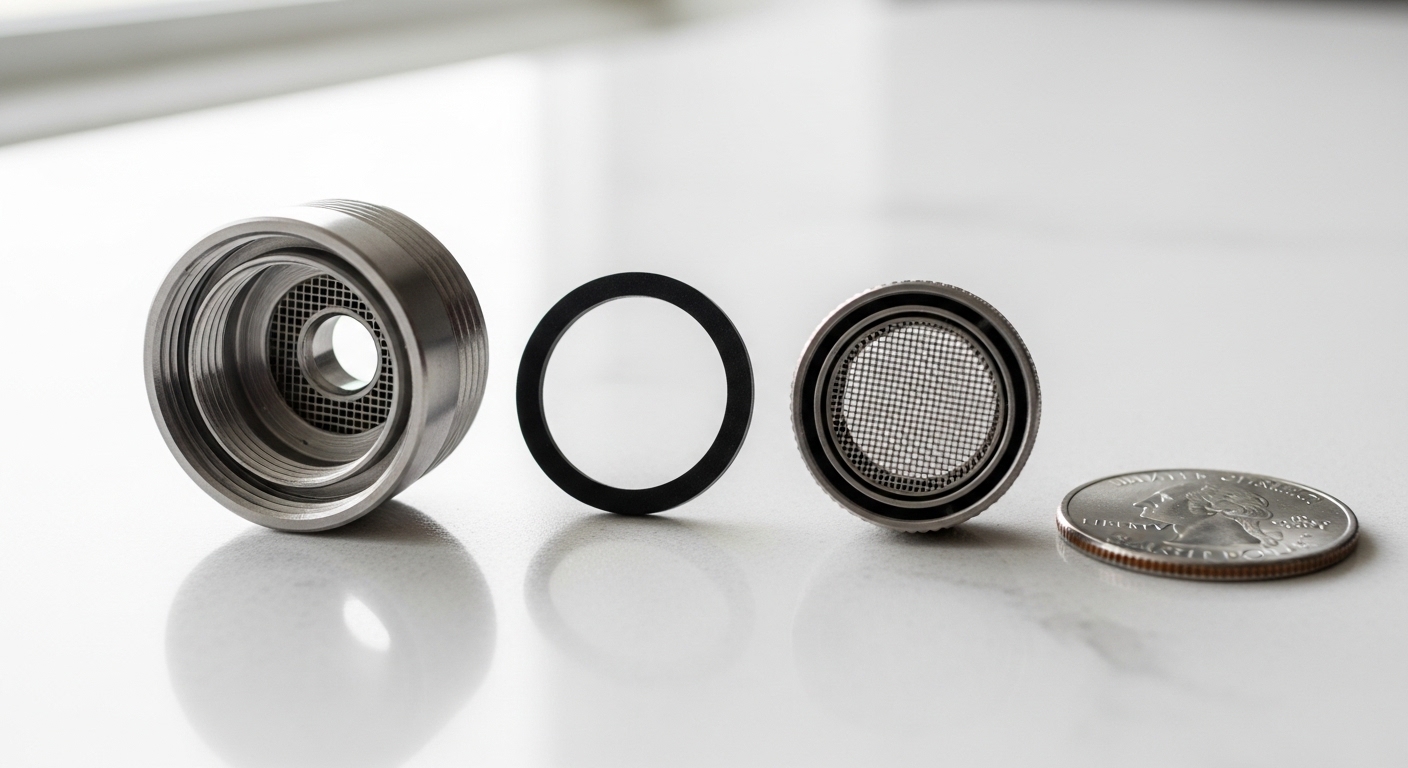
That last point matters more than people realise. A gunked-up aerator throws water sideways and coats your lovely white spout in spots. If yours is spitting or dribbling, our explainer on what a faucet aerator for the kitchen sink actually does will help you clean or swap it in five minutes.
Should you buy a white tap from B&Q, or a dedicated faucet brand?
Buy from B&Q if you value seeing the finish in person, easy in-store returns, and grabbing a tap the same day. Choose a dedicated faucet brand like WOWOW if you want a wider choice of white styles — matte white pull-outs, two-tone white-and-chrome, taller commercial-style gooseneck necks — plus solid-brass bodies and longer finish warranties. It’s less “either/or” and more “match the shop to what you actually need.”
Here’s the practical split: B&Q wins on convenience and immediacy; specialists win on selection, coating quality, and spray-head engineering. If your kitchen is the heart of your home and the tap runs dozens of times a day, the specialist route usually pays for itself in years of chip-free service. If you need a clean-looking tap for a rental in a hurry, the shed does the job.
| Factor | B&Q white taps | Dedicated faucet brand (e.g. WOWOW) |
|---|---|---|
| Style choice | Narrow, mostly basic mixers | Wide — matte, pull-out, two-tone |
| See it in person | Yes, in store | Photos/specs online |
| Finish durability | Varies, often painted | Powder-coat / PVD on brass |
| Returns | Fast, in store | Post/courier |
| Warranty | Often 1–5 years | Often 5+ years on finish |
Which white kitchen tap style fits your kitchen and budget?
Match the tap to how you actually cook. If you have a small sink and a modest budget, a compact single-lever white mixer is all you need. If you fill big pans, wash trays, and rinse a deep bowl, a white pull-out or pull-down pays for itself in daily convenience. And if you’re going for a design-led look, a matte “stone white” gooseneck against dark cabinetry is the show-stopper — just budget for solid brass so it lasts.
Best pick for a small or rental kitchen?
Go for a basic powder-coated white single-lever mixer around £60–£90. It looks clean, installs on a standard 35mm tap hole, and won’t hurt if you leave it behind. Avoid the very cheapest painted models — the £30 saving isn’t worth a chipped spout in 18 months.
Best pick for a busy family kitchen?
A white pull-out spray on a solid-brass body, in the £150–£250 band. You get the reach for pots and sink-rinsing plus a coating tough enough for constant use. Look for a ceramic-disc cartridge rated for 500,000+ cycles — that’s the part that stops drips down the line. If your current tap has started dripping from the lever, it’s almost always the cartridge, and our fix-it walkthrough for a leaky single-handle kitchen faucet shows how to diagnose it before you replace the whole tap.
Best pick for a design-led kitchen?
Matte white gooseneck, ideally solid brass, £200–£350. The tall arc clears tall vases and stockpots, and matte white hides fingerprints far better than gloss. If you like the pull-out gooseneck shape but want to compare across brands and price points, the breakdown in our Jaguar pull-out kitchen faucet review covers the ergonomics and hose quality you should be checking on any premium sprayer.
How do you install a white kitchen tap without ruining the finish?
The finish survives if you protect it during fitting — most white-tap damage happens on installation day, not years later. Never grip the painted body with pliers or an adjustable spanner; that’s how you get the tell-tale scratch on the neck the first hour it’s in. Use a proper basin wrench under the sink and hand-tighten the spout side.
Quick checklist before you start:
- Turn off both isolation valves under the sink and open the tap to release pressure.
- Confirm your tap hole is 35mm (the UK/EU standard) or use the supplied reducer.
- Wrap PTFE tape on threaded connections, not on the finish.
- Lay a cloth in the sink to catch dropped tools — a wrench on porcelain chips both the sink and the tap.
- Check both hot and cold flow, then look for drips at the connections after ten minutes.
If you’re replacing an old tap, take a photo of the existing pipework first so you know exactly what fittings you’re matching. Most modern white mixers come with flexible tails that connect to standard 15mm supply pipes, so a straight swap is usually a 45–60 minute job for a confident DIYer.
A quick word on quality, testing and who’s behind this guide
This guide was written by the WOWOW Faucet product team, who design, pressure-test, and sell kitchen and bathroom taps directly to homeowners. We bench-test cartridges for drip resistance and cycle life, salt-spray-test finishes for corrosion, and build to the flow and safety standards expected in UK and North American kitchens. WOWOW backs its kitchen taps with a multi-year finish and cartridge warranty because a tap you touch a dozen times a day should hold up for years, not months. Whenever we quote a price band or a durability figure here, it comes from hands-on testing and current market pricing, not guesswork — and we’ll always tell you where a shed-brand tap is genuinely the smarter buy.
FAQ
Are white kitchen taps at B&Q good quality?
For the price, yes — B&Q’s white kitchen taps are decent entry-to-mid mixers, typically £40–£150 on a brass or zinc body. The main limitation is a narrower range and often a painted rather than powder-coated finish, so check the spec and lean toward the mid-priced models for better chip resistance.
Do white kitchen taps go yellow or stain over time?
Cheap painted white taps can yellow near the hot outlet and stain if you use abrasive cleaners; quality powder-coated or ceramic-look white finishes resist staining well. Wipe the tap dry after use, skip scouring powders and bleach, and use a vinegar rinse for limescale to keep white looking crisp.
What’s the difference between a white mixer tap and a white pull-out tap?
A mixer tap has a fixed spout, while a pull-out (or pull-down) tap has a spray head you can pull out on a hose to rinse the sink and fill tall pots. Pull-outs cost more (£150–£300) but are far more convenient for busy or large-sink kitchens.
Will a white kitchen tap fit my existing sink?
Almost certainly — most UK kitchen sinks use a standard 35mm single tap hole, which fits nearly all single-lever white mixers. Measure your hole and check the tap’s spout height and reach so it clears your sink and any window sill behind it.
Is a white tap harder to keep clean than chrome?
Not really — matte and ceramic-look white actually hide water spots and fingerprints better than shiny chrome. The trade-off is that white shows limescale rings if left wet, so a quick wipe-dry keeps it looking best. Both finishes need the same gentle, non-abrasive cleaning.
How long should a good white kitchen tap last?
A solid-brass tap with a quality ceramic-disc cartridge and a baked-on white coating should last 10–15 years or more with basic care. A budget painted tap over zinc may start chipping or dripping within 2–4 years, which is why the base material and cartridge rating matter more than the colour.