 WOWOW Faucets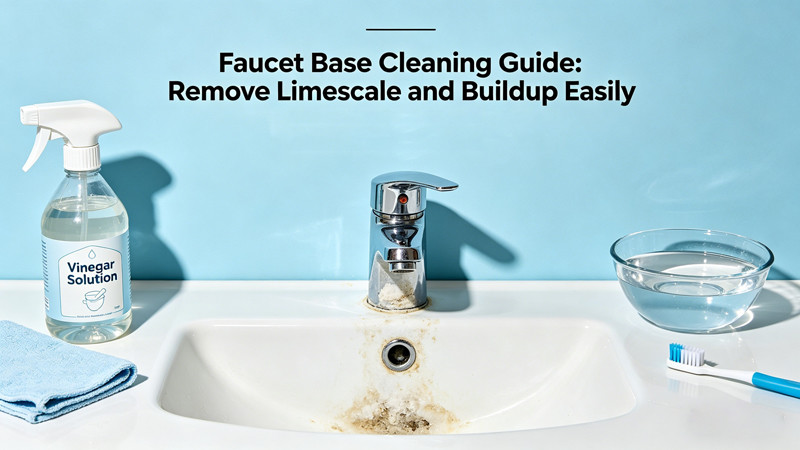
The base of your faucet is one of the most overlooked spots in the kitchen and bathroom—but it’s also one of the dirtiest. Water splashes, soap residue, toothpaste, and mineral deposits tend to collect where the faucet meets the sink. Over time, this buildup can lead to stains, odors, and even bacteria growth.
Cleaning the faucet base properly not only improves appearance but also helps maintain hygiene and extend the life of your fixture. In this guide, you’ll learn how to clean faucet base areas effectively, safely, and without damaging the finish.
Why Faucet Base Areas Get Dirty
The faucet base sits at the point where water and daily use meet. This makes it a hotspot for buildup.
Common causes:
- Standing water collecting around the base
- Soap scum and toothpaste residue
- Hard water deposits (limescale)
- Mold or mildew in damp environments
- Dirt trapped in small gaps and seams
Because this area often has tight spaces, it’s easy for grime to go unnoticed until it becomes visible.
Tools and Supplies You’ll Need
You don’t need harsh chemicals—just the right basic tools:
- Microfiber cloth
- Soft toothbrush or detailing brush
- Cotton swabs (Q-tips)
- Mild dish soap
- White vinegar (for mineral buildup)
- Baking soda (optional for stubborn stains)
- Warm water
- Dry towel
Step-by-Step: How to Clean Faucet Base Areas
Step 1: Clear the Area
Remove any items around the sink, such as soap dispensers or toothbrush holders. This gives you full access to the faucet base.
Step 2: Wipe Away Loose Dirt
Use a damp microfiber cloth to wipe around the base.
- Remove surface dust and grime
- Focus on visible buildup
This step prepares the area for deeper cleaning.
Step 3: Apply Soap Solution
Mix a few drops of dish soap with warm water.
- Dip your cloth or brush into the solution
- Gently scrub around the faucet base
- Pay attention to seams and edges
Soap helps break down grease and residue without damaging finishes.
Step 4: Target Tight Spaces

Use a toothbrush or cotton swab for hard-to-reach areas.
- Clean around the base ring
- Reach into small gaps
- Remove trapped grime
This is where most buildup hides, so take your time.
Step 5: Remove Mineral Deposits
If you notice white or chalky buildup, it’s likely limescale.
How to remove it:
- Soak a cloth in white vinegar
- Wrap it around the base
- Let it sit for 10–15 minutes
- Scrub gently and rinse
Vinegar dissolves mineral deposits effectively.
Step 6: Use Baking Soda for Stubborn Stains (Optional)
For tougher grime:
- Mix baking soda with a little water to form a paste
- Apply it to the stained area
- Gently scrub with a soft brush
- Rinse thoroughly
Avoid scrubbing too hard to prevent scratching.
Step 7: Rinse Thoroughly
Use clean water to remove any cleaning residue.
- Wipe with a damp cloth
- Ensure no soap or vinegar remains
Leftover residue can dull the finish over time.
Step 8: Dry the Area Completely
Use a dry towel or microfiber cloth.
- Dry all surfaces
- Pay attention to seams and edges
Keeping the base dry helps prevent future buildup and mold.
How Often Should You Clean the Faucet Base?
- Light cleaning: 2–3 times per week (quick wipe)
- Deep cleaning: Once every 1–2 weeks
- Descaling (if needed): Once a month in hard water areas
Regular maintenance prevents heavy buildup and reduces cleaning effort.
Tips for Different Faucet Finishes
Different finishes require slightly different care.
Chrome:
- Easy to clean
- Shows water spots—dry thoroughly
Brushed nickel:
- Hides fingerprints well
- Use gentle cleaners only
Matte black:
- Avoid abrasive cleaners
- Use soft cloths to prevent marks
Brass or bronze:
- May require specialized cleaners
- Avoid acidic solutions unless manufacturer-approved
Preventing Buildup Around the Faucet Base
Cleaning is easier when buildup is minimized.
Simple prevention tips:
- Wipe the base dry after use
- Avoid letting water sit around the faucet
- Clean spills immediately
- Use a sink mat if needed
- Improve ventilation in bathrooms
These habits keep your faucet looking clean with less effort.
Common Mistakes to Avoid
Avoid these cleaning mistakes:
- Using abrasive scrubbers or steel wool
- Applying harsh chemicals like bleach
- Letting vinegar sit too long on delicate finishes
- Ignoring small gaps where grime collects
- Skipping the drying step
These can damage your faucet or make buildup worse over time.
Signs Your Faucet Base Needs Cleaning
Watch for these indicators:
- Visible grime or discoloration
- White mineral deposits
- Sticky or rough texture
- Musty or unpleasant odor
Cleaning early prevents deeper issues like mold or corrosion.
When Cleaning Isn’t Enough
If buildup keeps returning or the base looks damaged:
- Check for leaks around the faucet
- Inspect the seal between faucet and sink
- Consider resealing with plumber’s putty or silicone
Persistent moisture can lead to recurring problems.
Final Thoughts
Cleaning the faucet base area may seem like a small task, but it has a big impact on both hygiene and appearance. With regular care and the right techniques, you can keep this often-overlooked area spotless and free from buildup.
The key is consistency: wipe regularly, clean thoroughly, and dry completely. By following these steps, your faucet will not only look better but also last longer.
A clean faucet base reflects a well-maintained home—and with just a few minutes of effort, you can keep it that way every day.\n
Related Guides
\n
- \n
- What are The Different Types of Bathroom Faucets
- Best White Kitchen Faucets – Buying Guide & Reviews
- The Best Faucet Brands to Consider in 2026
- What is The Standard Size Hole for A Kitchen or Bathroom Faucet
\n
\n
\n
\n
\n