 WOWOW Faucets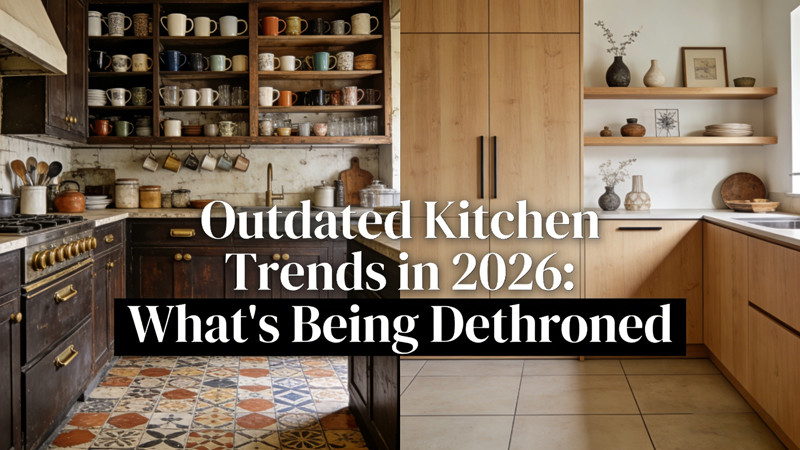
Kitchens have long been the heart of the home — a place for cooking, gathering, and daily life. Over the years, trends come and go, and by 2026 designers and homeowners alike are redefining what feels fresh, functional, and timeless. Some concepts that were once ubiquitous are now considered outdated, impractical, or simply too stylistically tied to the past decade.
Here’s a look at the kitchen trends that have aged poorly in 2026 — and why they’re being replaced.
🪩 1. All‑White Everything
White kitchens dominated design blogs and real estate listings for years, from cabinets to countertops to backsplashes. But by 2026, most designers are moving away from head‑to‑toe white.
Why It’s Outdated:
- White shows wear — stains, scratches, and fingerprints are all too visible.
- It can feel sterile and cold, lacking depth and personality.
What’s Replacing It:
Warm neutrals, muted earth tones, and two‑tone cabinetry bring richness and dimension to the kitchen while remaining versatile. Natural wood grains, soft greens, and charcoal accents add warmth.
🔥 2. Oversized Kitchen Islands With No Defined Purpose
Bigger used to be better — especially when it came to kitchen islands. The trend for massive, multifunction islands is now feeling outdated in many homes.
Why It’s Outdated:
- Oversized islands can disrupt the work triangle and make kitchens feel crowded.
- They often sacrifice function for scale.
What’s Replacing It:
Thoughtful island designs tailored to actual workflow: breakfast bar + prep zone, or mobile carts that adapt to needs. Designers prioritize usability over sheer size.
🫖 3. Ultra‑Glossy Cabinets
High‑gloss lacquered cabinets were once the go‑to for sleek, modern kitchens. In 2026, they’re often seen as too slippery and hard to maintain.
Why It’s Outdated:
- They show scratches and smudges easily.
- Reflective surfaces can feel harsh in bright spaces.
What’s Replacing It:
Matte and textured finishes — particularly in woods, painted surfaces, and soft laminates — that feel warm and tactile. These finishes hide wear better and feel more refined.
🧱 4. Subway Tiles With Thick, Dark Grout
Subway tiles were a go‑to backsplash for years. However, the once‑trendy contrast grout lines and tiny scale now read as dated in 2026.
Why It’s Outdated:
- The look has been overused.
- Thick grout lines collect grime and are harder to clean.
What’s Replacing It:
Large‑format tiles, slip‑resistant stone, or seamless textures that downplay grout lines. Vertical layouts and unique shapes — like elongated hexes — add visual interest without feeling cliché.
🥣 5. Open Shelving Overload
Open shelving replaced upper cabinets for a moment, but now many homeowners regret the clutter it creates.
Why It’s Outdated:
- Constant cleaning and styling pressure.
- Everyday items end up cluttered or look messy.
What’s Replacing It:
A balanced mix of closed cabinetry + curated open display zones. Hidden storage keeps essentials out of sight, while open niches display treasured dishes or décor.
🫙 6. Statement Range Hoods With Excessive Ornamentation
Elaborately carved or oversized range hoods were once a design highlight. In 2026 they can feel too heavy relative to minimalist sensibilities.
Why It’s Outdated:
- They dominate the room and pull attention away from cohesive design.
- Ornate molding can feel too formal for everyday spaces.
What’s Replacing It:
Integrated hoods or slim, architectural forms that blend with cabinetry. Hidden ventilation systems and minimalist metal hoods feel more modern and streamlined.
🥂 7. Trendy Hardware That Ages Quickly
On‑trend hardware — rose gold pulls, quirky shapes, and novelty knobs — was fun for a while but has started to feel too tied to a specific moment.
Why It’s Outdated:
- Trends come and go faster than cabinetry lasts.
- Bold, statement hardware can age badly.
What’s Replacing It:
Timeless metals like brushed nickel, satin brass, and black chrome in simple, elegant profiles. These selections pair with evolving styles and don’t scream “trend.”
🍋 8. Backlit Countertops and Overdone LED Everywhere
Smart lighting is great in moderation, but in 2026 the overuse of backlit stone and glowing LED strips is passé.
Why It’s Outdated:
- Terrible for task clarity when poorly placed.
- Can make the space feel gimmicky.
What’s Replacing It:
Layered lighting: warm ambient overheads, targeted task lighting at prep zones, and subtle accent illumination that feels intentional rather than forced.
🍳 9. Overbuilt But Under‑Used Appliances
In the push to upgrade kitchens, homeowners often added every appliance under the sun — espresso machines, soda makers, specialty cookers — only to rarely use them.
Why It’s Outdated:
- Appliances that don’t support real needs become clutter.
- More is not always better.
What’s Replacing It:
Fewer, high‑quality, versatile appliances that get daily use: induction ranges, integrated dishwashers, convection ovens. Purposeful purchases over impulse upgrades.
🍷 10. Accent Walls With Loud Graphics or Themes
Bold wallpaper and graphic accent walls had a run — but in kitchens, many feel visually overwhelming or too decor‑heavy now.
Why It’s Outdated:
- They compete with the functional core of the space.
- Fast‑fading aesthetic appeal.
What’s Replacing It:
Texture instead of theme — natural stone, textured plaster, or painted surfaces in calming tones that support the overall design without shouting.
🍉 11. Trend‑Driven Flooring (e.g., Too‑Busy Patterns)
Patterned floors exploded in popularity, but many now feel out of place in cohesive, relaxing kitchen spaces.
Why It’s Outdated:
- Too many patterns clash with other elements.
- Hard to pair with evolving cabinetry and backsplash trends.
What’s Replacing It:
Neutral planks, large porcelain slabs, or natural hardwoods that ground the space and allow other design features to shine.
🧠 12. Tech Gadgets That Don’t Add Real Value
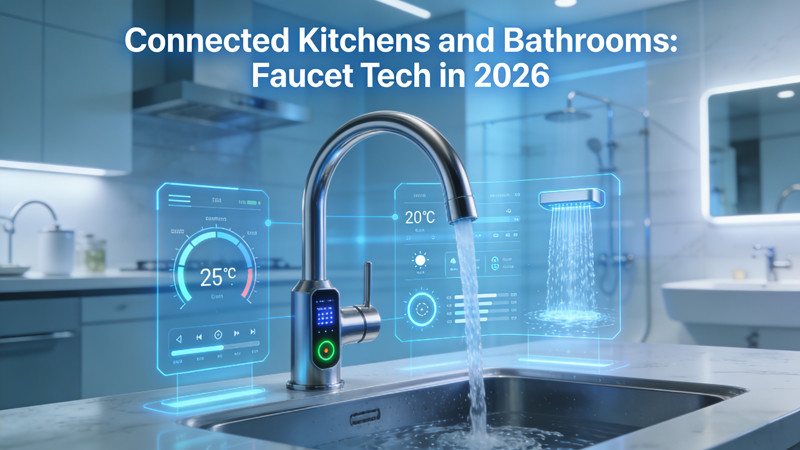
Smart fridges with flashy screens, app‑controlled faucets with confusing interfaces, and voice‑activated blinds seemed futuristic — but now they’re often labeled as gimmicks.
Why It’s Outdated:
- Complexity that doesn’t deliver meaningful convenience.
- Can be hard to maintain or repair.
What’s Replacing It:
Purposeful smart features: temperature‑stable refrigerators, motion‑sensored faucets with manual fallback, and simple integrations with voice assistants only where it matters.
💡 The Big Picture: Why These Trends Are Fading
Most of the outdated kitchen trends in 2026 share a few common weaknesses:
🔹 They prioritized style over function.
That big island looked great — until it interfered with workflow.
🔹 They followed rapid trend cycles.
Fast‑moving accents date a space quickly, especially when cabinetry and tile last for decades.
🔹 They made daily life more complicated.
Tech features that didn’t genuinely improve ease or efficiency ended up unused.
🔹 They lacked personality or warmth.
Too much white, gloss, or sterile minimalism created spaces that felt cold rather than cozy.
🛠 What’s In for 2026 and Beyond?
While certain trends fade, several core principles are shaping modern kitchen design:
🌿 Timeless materials with depth and texture
Warm wood, honed stone, or soft matte ceramics feel like they’ll age gracefully.
🍽 Balanced aesthetics with practical layouts
Functional work zones, easy access storage, and purposeful lighting.
⚙️ Tech that truly helps
Smart tech with clear daily benefits — like adaptive lighting or energy‑efficient appliances — without needless bells and whistles.
🧘 Spaces that feel calm and intentional
Kitchens that welcome cooking, gathering, and life — not overwhelm with gimmicks.
🧩 Final Thoughts
Kitchen design in 2026 is moving toward enduring style, thoughtful function, and genuine livability. Trends that prioritized flash over use are being replaced by choices grounded in how people actually live and cook.
If you’re planning a kitchen update this year, consider asking:
Will this design choice still feel good five years from now? Will it make daily life easier or more pleasant?
If the answer isn’t a clear yes, it might be one of the trends best left in the past.