 WOWOW Faucets
When shopping for a new kitchen or bathroom faucet, most homeowners focus on style and finish — chrome, matte black, brushed gold. But what’s underneath the surface matters just as much. One material that often appears in budget-friendly and mid-range fixtures is zinc alloy.
Zinc alloy faucets are widely available and often attract buyers because of their affordability and design flexibility. However, they also come with trade-offs that are important to understand before making a purchase.
If you’re considering zinc alloy faucet for your next renovation or product line, here’s a complete breakdown of the pros and cons.
What Is a Zinc Alloy Faucet?
A zinc alloy faucet is made primarily from zinc combined with small amounts of other metals such as aluminum, magnesium, or copper to improve strength and casting performance. This combination creates a material that is:
- Easy to mold
- Lightweight
- Cost-effective
- Compatible with various finishes
Zinc alloy is commonly used in faucet handles, decorative trim, and sometimes the entire faucet body — especially in lower-priced models.
It’s important to note that zinc alloy is different from solid brass or stainless steel, which are typically considered higher-grade materials.
The Pros of Zinc Alloy Faucets
1. Affordable Price Point
The biggest advantage of zinc alloy faucets is cost.
Zinc is less expensive than brass or stainless steel, which allows manufacturers to produce faucets at a lower price. This makes zinc alloy fixtures attractive for:
- Budget remodels
- Rental properties
- House flips
- Entry-level product lines
- Large-scale commercial installations
For projects where keeping costs down is critical, zinc alloy can make financial sense.
2. Lightweight Construction
Zinc alloy is significantly lighter than brass.
This makes:
- Installation easier
- Shipping cheaper
- Handling simpler for DIY homeowners
For manufacturers, reduced weight also lowers transportation costs — a factor that can influence pricing in competitive markets.
3. Excellent Casting Ability
One of zinc alloy’s strongest advantages is its casting performance.
It can be molded into intricate shapes and detailed designs more easily than brass. This means manufacturers can create:
- Decorative handles
- Complex curves
- Unique silhouettes
- Modern geometric styles
If design flexibility is a priority, zinc alloy offers strong creative possibilities.
4. Good Surface Finish Compatibility
Zinc alloy works well with electroplating processes.
It can be finished in:
- Chrome
- Matte black
- Brushed nickel
- Gold tones
- Gunmetal
When properly plated, zinc alloy faucets can look nearly identical to brass or stainless steel models.
For consumers focused on appearance rather than internal material, this can be appealing.
5. Suitable for Low-Use Applications
In powder rooms, guest bathrooms, or lightly used sinks, zinc alloy faucets may perform adequately for years without issue.
For secondary bathrooms that do not see daily heavy use, zinc alloy can be a practical option.
The Cons of Zinc Alloy Faucets
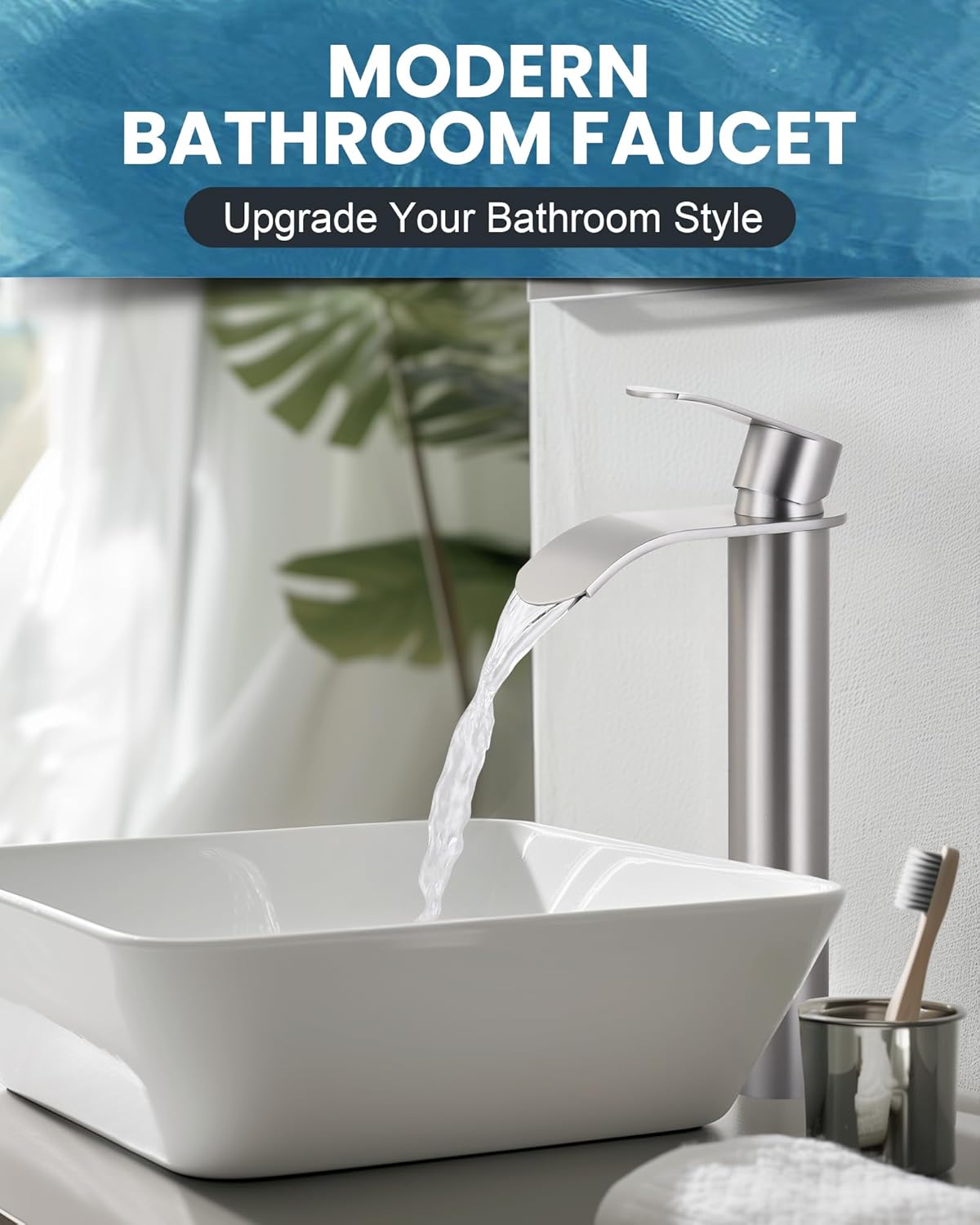
While zinc alloy offers affordability and flexibility, there are important drawbacks to consider.
1. Lower Durability Compared to Brass
Brass has long been considered the gold standard for faucet construction because of its:
- Strength
- Corrosion resistance
- Long lifespan
Zinc alloy, by comparison, is softer and more susceptible to:
- Cracking
- Thread damage
- Structural weakening over time
Under heavy daily use, zinc alloy faucets may not last as long as brass or stainless steel alternatives.
2. Corrosion Vulnerability
Zinc alloy is more prone to corrosion, especially in environments with:
- Hard water
- High humidity
- Poor maintenance
If the protective plating becomes scratched or worn, the underlying zinc material can oxidize and degrade more quickly.
In extreme cases, this can lead to leaks or structural failure.
3. Shorter Lifespan
A well-made brass faucet can last 15–25 years or more.
Zinc alloy faucets typically have a shorter expected lifespan, particularly in high-traffic kitchens or family bathrooms. While quality varies by manufacturer, many zinc models are designed for cost efficiency rather than decades-long performance.
For homeowners planning long-term residence, this is an important factor.
4. Not Ideal for High-Pressure Systems
Because zinc alloy is less robust than brass, it may not perform as well in homes with high water pressure.
Repeated stress from water pressure and temperature changes can accelerate wear, especially around connection points and threads.
5. Perception of Lower Quality
In the plumbing industry, zinc alloy is often associated with entry-level products.
Even when finished beautifully, knowledgeable buyers, contractors, and plumbers may prefer brass or stainless steel due to their track record of reliability.
For brands positioning themselves as premium or high-end, zinc alloy construction may not align with market expectations.
Zinc Alloy vs. Brass Faucets
Here’s a simplified comparison:
| Feature | Zinc Alloy | Brass |
|---|---|---|
| Cost | Lower | Higher |
| Weight | Lighter | Heavier |
| Durability | Moderate | Excellent |
| Corrosion Resistance | Moderate | Strong |
| Lifespan | Shorter | Longer |
| Best For | Budget projects | Long-term installations |
If budget is the main driver, zinc alloy can work. If longevity and durability are the priority, brass is typically the better investment.
When Zinc Alloy Faucets Make Sense
Zinc alloy faucets can be a reasonable choice when:
- The project has a tight budget
- The faucet is in a low-use space
- A short-term property investment is planned
- Aesthetic matters more than lifespan
- Weight reduction is beneficial
They are not necessarily “bad” — they simply serve a different purpose in the market.
When to Avoid Zinc Alloy
Consider avoiding zinc alloy faucets when:
- Renovating a primary kitchen
- Building a forever home
- Installing in high-use commercial settings
- Dealing with hard water conditions
- Prioritizing long-term durability
In these situations, investing in brass or stainless steel may save money over time by reducing replacement and repair costs.
Are All Zinc Alloy Faucets Low Quality?
Not necessarily.
Quality depends on:
- Alloy composition
- Wall thickness
- Electroplating quality
- Internal components (cartridges, valves)
- Manufacturing standards
Some manufacturers reinforce zinc alloy bodies or use hybrid construction (brass waterway with zinc exterior shell), improving performance.
However, buyers should read product specifications carefully rather than relying solely on appearance.
Final Verdict: Is c a Good Choice?
Zinc alloy faucets offer clear advantages:
- Affordable
- Lightweight
- Design-flexible
- Visually appealing
But they also come with trade-offs:
- Reduced durability
- Greater corrosion risk
- Shorter lifespan under heavy use
In 2026’s market — where consumers increasingly value longevity and material transparency — zinc alloy remains relevant primarily in budget and mid-tier segments.
If you need a cost-effective faucet for a low-traffic space, zinc alloy can be a practical solution. But if your goal is long-term reliability and premium performance, brass or stainless steel will generally provide better value over time.
As with most home improvement decisions, the right choice depends on your priorities: upfront savings or long-term durability.
Understanding the pros and cons of zinc alloy faucets ensures you make that decision with confidence.\n
Related Guides
\n
- \n
- What are The Different Types of Bathroom Faucets
- Best White Kitchen Faucets – Buying Guide & Reviews
- The Best Faucet Brands to Consider in 2026
- What is The Standard Size Hole for A Kitchen or Bathroom Faucet
\n
\n
\n
\n
\n