 WOWOW Faucets
Matte black has been everywhere for the past decade — from kitchen faucets and bathroom fixtures to door hardware, appliances, cars, and tech accessories. But as with every design trend, its ubiquity has sparked debate: Is matte black out of style in 2026? The short answer is: it depends on where you look and what you are comparing it to.
In some corners of design, matte black is fading from its peak — while in others it is still going strong as a modern classic. Lets break down the nuance.
1. The Rise and Peak of Matte Black
Over the past 10+ years, black surged from a niche modern aesthetic to a dominant finish across industries. Designers credited it with providing sleek contrast, visual boldness, and a contemporary feel in interiors — especially kitchens and bathrooms where it replaced chrome and transitional metals in popularity.
Similarly, in automotive culture, black wraps — especially on high-performance vehicles — continued to be a major trend through the mid-2020s, favored by enthusiasts for their stealthy, contemporary look.
This widespread use made matte black feel ubiquitous — a go-to finish for anything from cabinets and hardware to car wraps and tech gear.
2. Signs the Trend Is Softening
As of 2026, multiple industry signals suggest matte black is no longer the singular “it” finish it once was — at least in interior design.
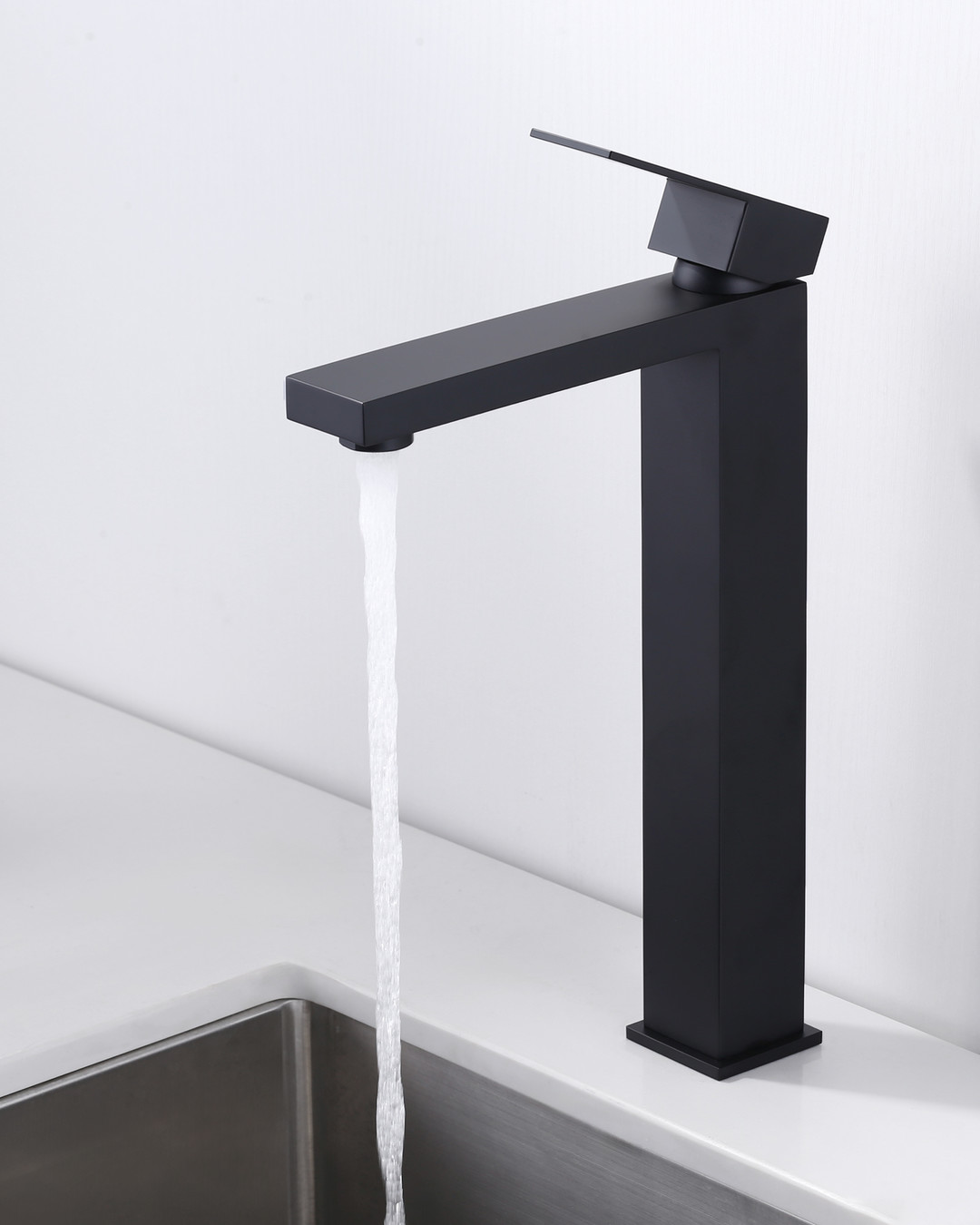
A. Expert Trend Reports
Some design forecasts now list matte black hardware as a style that is falling away from the forefront of trends. These reports highlight a shift toward richer colors, warm metals, and more expressive, personalized choices over stark monochromatic looks.
In kitchen and bath design, matte black is often described as being at saturation, while finishes like graphite, matte white, and softened metallics gain momentum — suggesting diversification rather than rejection.
Mainstream home design publications also note a growing interest in bolder hardware colors and warmer tones, which naturally challenges the once-dominant all-black aesthetic.
B. Designer Critiques
Some designers argue that it can feel cold, heavy, or overly trend-driven when overused — especially in spaces intended to feel warm, inviting, or timeless. In softer, layered interiors, stark contrast can read as dated rather than dramatic.
This does not mean black is out of style universally — but its overuse is increasingly being questioned.
C. Social Feedback
Many homeowners report practical concerns with matte black fixtures, including visible water spots, fingerprints, and surface wear. These issues, combined with its widespread adoption, have led some to associate matte black with past trends rather than fresh design.
3. Where Matte Black Still Works in 2026
That said, matte black is far from dead. In the right context, it remains very much in style.
A. Modern and Minimalist Interiors
In contemporary, minimalist, and architectural spaces, it still delivers a sleek, confident aesthetic. Its strong contrast anchors light palettes, emphasizes geometry, and pairs well with matte textures and natural materials.
B. Door Hardware and Architectural Details
Matte black remains a popular choice for door hardware, window frames, railings, and other architectural accents, where contrast and definition are intentional design features.
C. Automotive and Tech Sectors
Outside the home, black continues to thrive. In automotive design, it maintains its appeal as a stealthy, premium look. In technology, black finishes are still associated with professionalism, performance, and understated luxury.
4. Evolving Trends: Not Out, But Evolving
The best way to describe matte black in 2026 is not obsolete, but evolving.
A. Mixed Metals and Layered Finishes
One of the strongest design movements of 2026 is the use of mixed metals and layered finishes. Matte black now appears alongside brass, bronze, brushed nickel, or warm stainless steel — adding depth without overpowering a space.
Rather than dominating an entire room, it is increasingly used as a supporting accent.
B. Warmth and Texture Over Stark Contrast
Designers are prioritizing warmth, texture, and tactility. Uniform matte surfaces can sometimes feel flat or severe, while warmer metals and softly brushed finishes help create balance and comfort.
This shift does not eliminate matte black — it simply reduces its dominance.
5. The Future of Matte Black: Classic or Trendy?
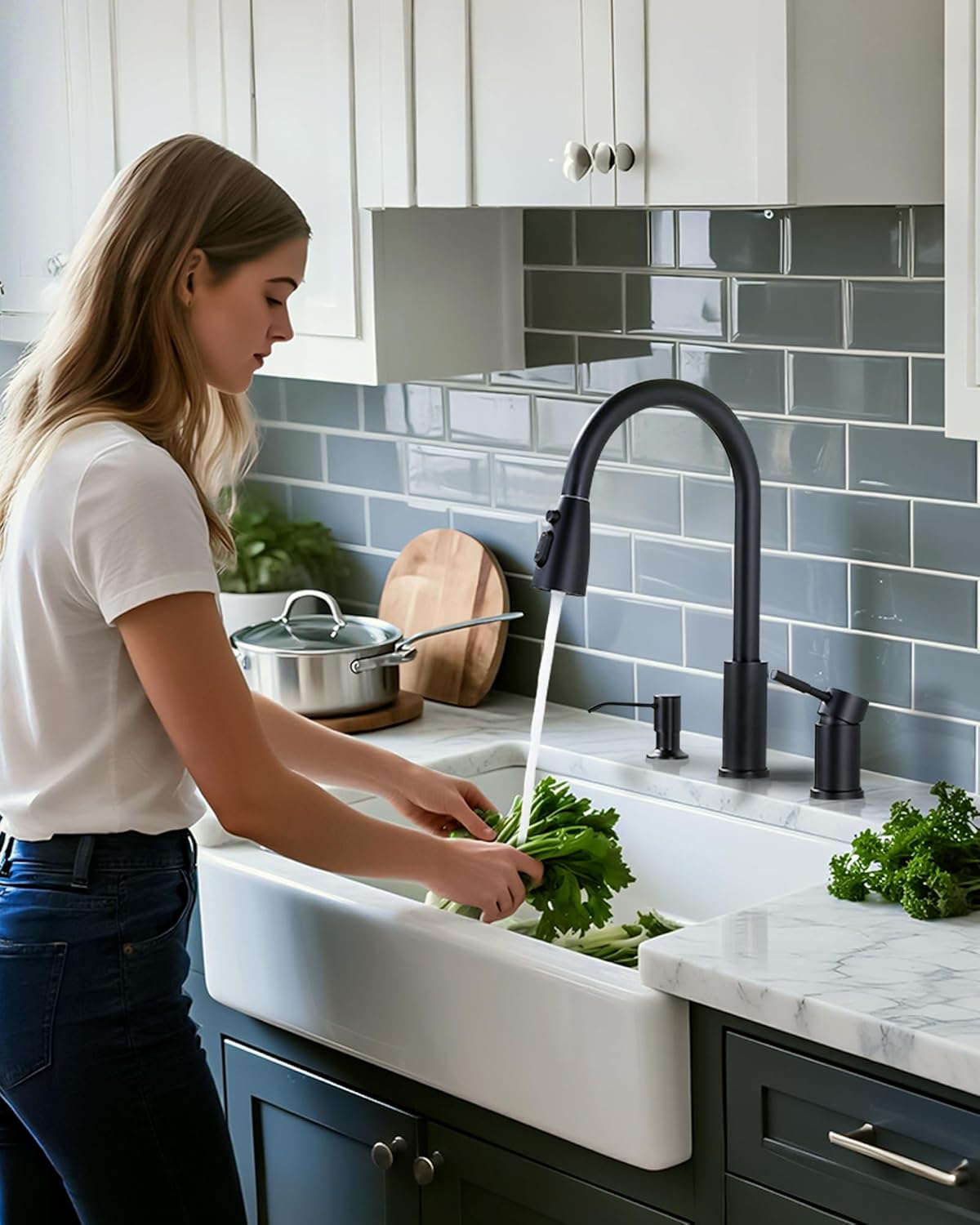
Here is how matte black stands in 2026:
Not Out of Style Everywhere
- Still widely used in modern, minimalist, and architectural designs.
- Remains strong in automotive, tech, and specialty products.
Less Dominant in Interiors
- No longer the default choice for kitchens and bathrooms.
- Seen as past its peak, shifting into selective, intentional use.
Evolving, Not Obsolete
- Finding a place within richer, more layered design palettes.
- Best used as an accent rather than the only finish.
6. Practical Takeaways
Choose matte black if:
- You are designing a modern or minimalist space.
- You want sharp contrast and clean lines.
- You plan to use it as an accent finish.
Reconsider matte black if:
- You want a warm, traditional, or cozy look.
- You prefer finishes that feel universally timeless.
- You want lower-maintenance surfaces.
7. Final Verdict
Matte black is not universally out of style in 2026 — but its reign as the default modern finish is clearly fading. It has transitioned from a dominant trend into a versatile design tool. When used thoughtfully and in balance with other finishes, it can still look intentional, modern, and refined.