 WOWOW Faucets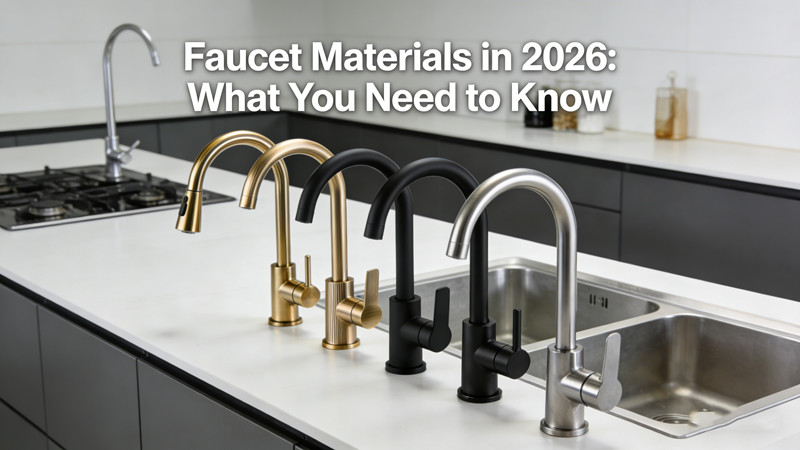
When selecting a faucet, the material it’s made from isn’t just about aesthetics — it affects durability, performance, maintenance, water quality, sustainability, and price. In 2026, both traditional and innovative materials continue to shape how faucets look and function in kitchens, bathrooms, and commercial spaces.
1. Why Faucet Materials Matter
Faucets are in constant contact with water, minerals, heat, cleaning chemicals, and daily wear. The material determines:
- Corrosion resistance
- Lead content and water safety
- Finish longevity
- Cost and environmental impact
- Ease of repair and recycling
Choosing the right material means balancing looks with long-term performance.
2. Traditional Metals (Still Dominant in 2026)
Brass — The Longtime Leader
Brass remains the most common base material for mid- and high-end faucets.
Why it’s popular:
- Naturally corrosion-resistant
- Easy to machine and shape
- Excellent long-term durability
- Good thermal properties
2026 trend: Many manufacturers now offer low-lead or lead-free brass to comply with stricter health and safety standards (especially in North America and Europe). Lead reduction is important for potable water applications.
Pros
- Time-tested reliability
- Works well with finishes
- Less likely to crack under stress
Cons
- Can be pricier than some alternatives
- Not the best choice for ultra-budget faucets
Stainless Steel — Performance Meets Modern Style
Stainless steel faucets have surged in popularity, especially with modern and industrial aesthetics.
Key benefits:
- High corrosion resistance
- Harder and more scratch-resistant than many metals
- Excellent choice for coastal or high-humidity environments
- Recyclable and often made with recycled content
2026 adoption: Many premium faucets now use solid stainless steel bodies rather than plated bases, reducing chipping and maintaining finish integrity for longer.
Pros
- Very durable
- Great for busy kitchens and baths
- Easy to maintain
Cons
- Can be more expensive
- May show water spots without proper finish choice (brushed finishes hide spots better)
Zinc & Die-Cast Alloys — Affordable but Limited
Zinc and other die-cast metals are often used in lower-price faucets.
Advantages:
- Lower manufacturing cost
- Decent performance with proper plating
Drawbacks:
- Less durable than brass or stainless steel
- Higher likelihood of corrosion or wear
- Not recommended for high-use areas
2026 insight: Some budget brands are improving die-cast quality and plating, but these faucets still don’t match premium materials in longevity.
3. Finishes and Coatings (Surface Material Impact)
The finish on a faucet — such as chrome, brushed nickel, or matte black — sits over the base material and plays a major role in both aesthetics and durability.
Common Finishes in 2026
- Chrome: Classic, reflective, affordable, easy to clean
- Brushed/Matte Nickel: Hides water spots and fingerprints
- Oil-Rubbed Bronze: Warm, rustic look with higher maintenance
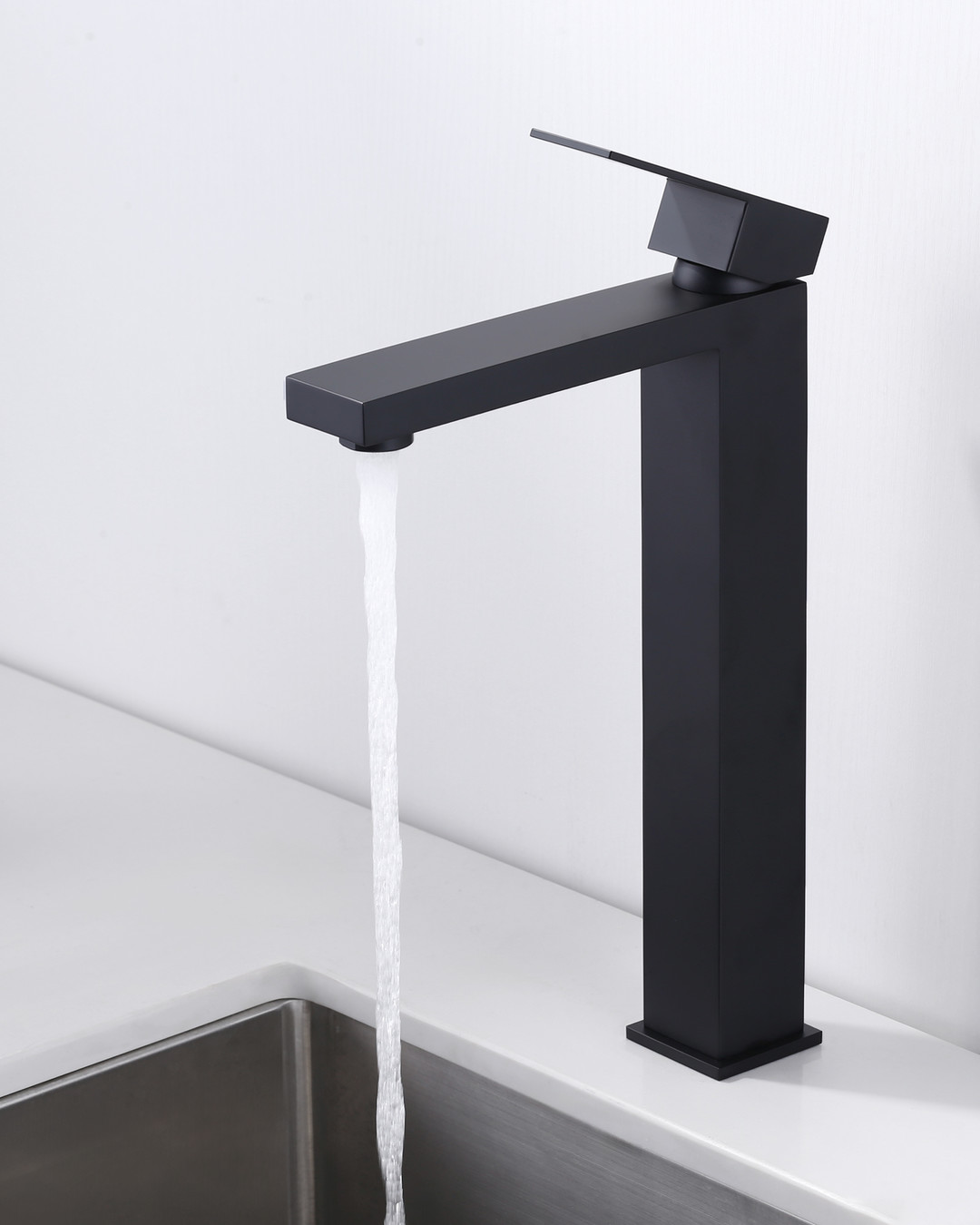
- Matte Black & Modern Colors: Very popular in contemporary design
- PVD Finishes: Highly durable and corrosion-resistant
Finish lifespan matters: Look for multi-layer PVD or ceramic-infused coatings for better long-term protection.
4. Ceramic vs. Metal Valve Cartridges
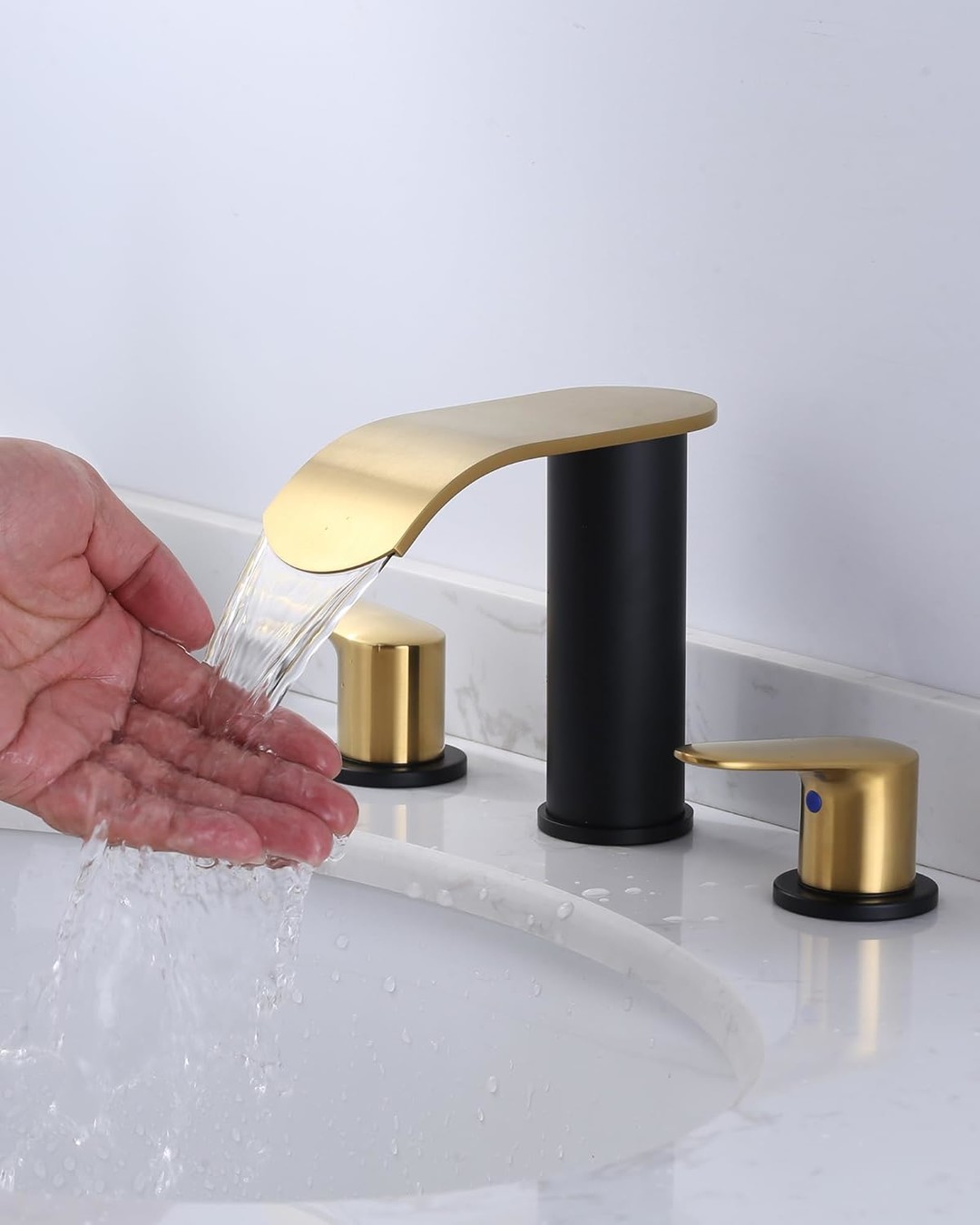
While not the main body material, the valve cartridge inside a faucet heavily impacts performance.
- Ceramic disc cartridges provide drip-free performance and long lifespan
- Older rubber washer systems are prone to leaks
In 2026, most quality faucets use ceramic cartridges regardless of body material.
5. Sustainable & Eco-Friendly Materials
Sustainability strongly influences faucet material choices in 2026.
Recycled Metals
- Reclaimed brass
- Recycled stainless steel
- Recycled zinc
These materials reduce environmental impact while maintaining performance.
BPA-Free Plastics in Internal Components
Leading brands use BPA-free, NSF-certified plastics for internal components.
Biodegradable Packaging
Many manufacturers now use eco-friendly packaging to reduce waste.
6. Innovative Materials Emerging in 2026
Solid Surface & Composite Metals
- Ultra-strong
- Scratch-resistant
- Used in commercial or designer faucets
Antimicrobial Coatings
Built-in antimicrobial surfaces are increasingly common, especially in kitchens and public restrooms.
Smart Material Pairings
Sensor faucets combine metal bodies with polymer or glass elements for signal accuracy and waterproofing.
7. Choosing the Right Material: Practical Tips
Everyday Kitchens
- Best: Stainless steel, brass with PVD finish
- Why: Durable and easy to maintain
Bathrooms
- Best: Brass with chrome, nickel, or matte finishes
- Why: Reliable water safety and style
Budget Projects
- Consider: Zinc alloy with quality plating
- Note: Shorter lifespan than premium materials
Coastal or High-Humidity Areas
- Best: 316 stainless steel or high-grade PVD
Modern or Designer Spaces
- Best: Matte black PVD, brushed metals, composites
8. Material Maintenance & Longevity
- Wipe dry to reduce water spots
- Use non-abrasive cleaners
- Avoid harsh chemicals
Manufacturer warranties often reflect material and finish quality.
Conclusion
In 2026, faucet materials matter more than ever. While brass and stainless steel remain top choices, advancements in finishes, recycled materials, and sustainable manufacturing are reshaping the market. Understanding materials helps you choose faucets that look great, perform well, and last for years.