 WOWOW Faucets
Chrome — that bright, mirror-like metallic finish ubiquitous on faucets, hardware, appliances, and fixtures for decades — has long been a design staple. But as we move fully into 2026, many decorators and homeowners are wondering: Has chrome finally fallen out of style? The answer isn’t simply yes or no, and the nuance reveals a broader shift in aesthetic values throughout interior design.
1. The Big Picture: Chrome Isn’t Dead — It’s Evolving
First, let’s clear up a misconception: Chrome isn’t completely out of style. It remains a practical, durable, and visually striking choice — especially in minimalist, modern, or urban spaces. Designers still pull chrome into contemporary bathrooms and sleek kitchens for its high polish and reflective quality, which can make small rooms feel brighter and more spacious. Some trend reports even note chrome’s presence alongside other materials in future-forward settings.
However, what chrome used to be — the default, almost obligatory “safe metallic” throughout a home — is definitely changing. Trends in 2026 favor more personality, warmth, and mixed materiality, which means chrome’s shiny hegemony is being gently replaced by other finishes, or by combining finishes.
2. Why Chrome Looks Less Dominant in 2026
• Warmer and Softer Metals Are Trending
One of the most consistent trends across kitchen and bath design is the rise of warm metal tones — such as brushed brass, champagne gold, and bronze — which add texture and perceived luxury to a space. These metals offer visual warmth that chrome’s cool shine can’t always provide, especially in spaces using warm color palettes or natural materials like wood and stone.
This shift doesn’t mean chrome is unwanted, but it does mean it’s no longer the default choice for most designers. Even finishes like brushed nickel, with a softer sheen, are increasingly popular for blending versatility with a subtler feel.
• Matte & Textured Finishes Are Taking Center Stage
2026 design trends lean toward tactile experiences: matte black hardware with knurled textures, aged metals, and finishes that feel handcrafted or artisanal. These offerings aren’t just visually compelling — they also hide fingerprints and wear better than polished metal surfaces like chrome.
Chrome, by contrast, highlights every water spot, smudge, and fingerprint — practical in some contexts, but less forgiving in high-traffic spaces. While chrome still works in minimalist designs, its reflectivity looks less “rich” and more clinical compared to textured finishes favored this year.
• Sustainability & Personalization Matter More
Another factor nudging chrome toward the sidelines is the increasing emphasis on sustainability and individuality in design. Consumers today want finishes that feel personal and, ideally, environmentally conscious. Many modern finish options — especially PVD coatings on brass or nickel, or recycled metal blends — speak to both durability and reduced environmental footprint, whereas traditional chrome plating can involve more energy-intensive processes.
Chrome’s polished look can feel generic compared to bespoke or layered metal palettes that reflect personal taste — a design priority for many buyers in 2026.
3. Chrome’s Revival — But in a Different Role
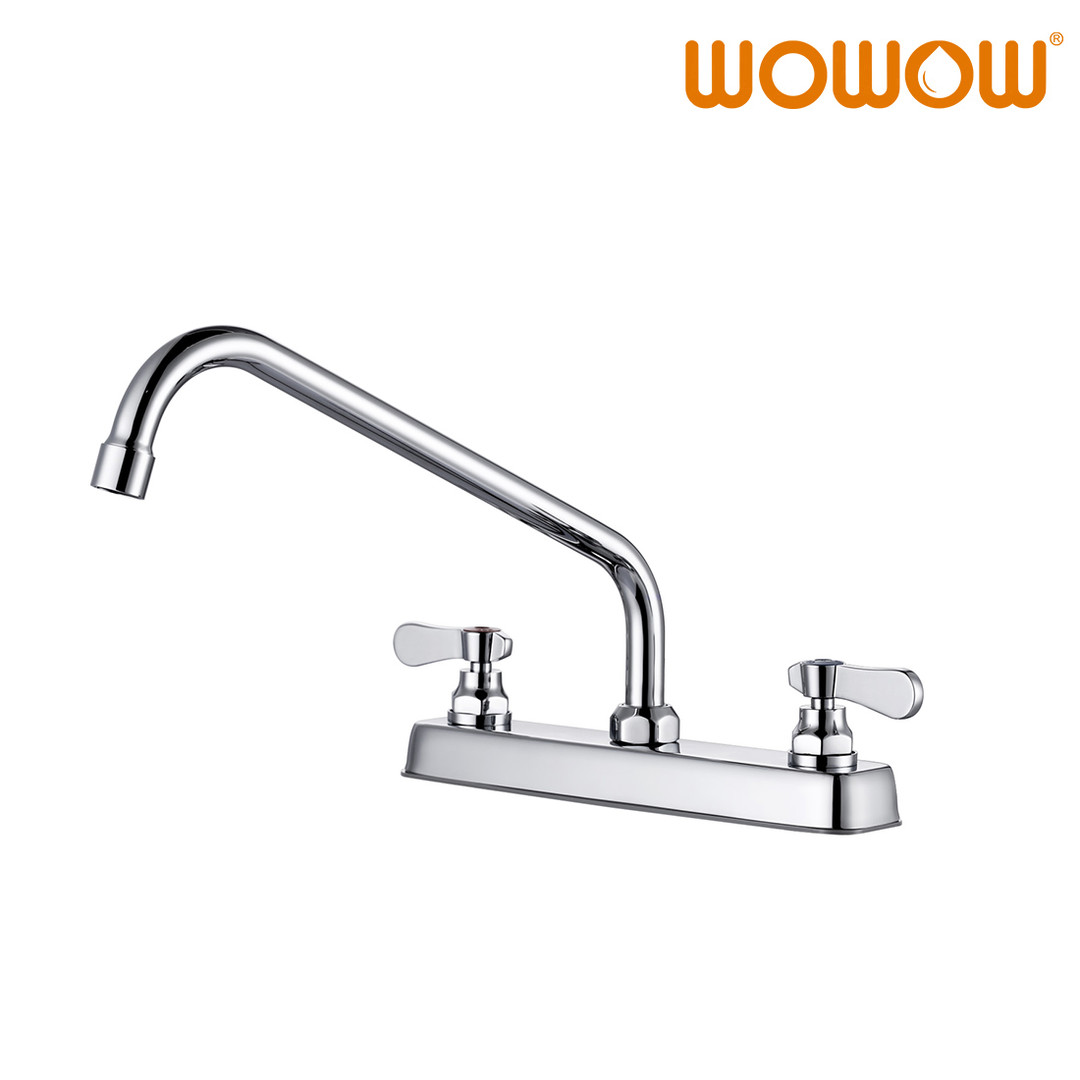
Interestingly, chrome is making a comeback — but in specific contexts:
• Chrome as a Futurist Accent
In ultra-modern spaces — think metropolitan apartments, cutting-edge offices, or minimalist interiors — polished chrome is resurging as a tool for contrast and shine, especially when paired with black, white, or glass elements.
• Mixed Metals & Intentional Pairings
Perhaps the biggest story of 2026 is not a rejection of chrome, but a move toward mixing metals. Rather than mandating that every piece of hardware match, designers are blending finishes — matte black handles with chrome faucets, brass lighting with nickel door hardware — to create layered, intentional spaces.
In this setting, chrome can be one of several finishes playing off each other. The trick is balance: using chrome as an accent rather than the defining metal lets it coexist with warmer or textured finishes and gives spaces more depth.
4. Room-By-Room Realities
• Bathrooms
In bathrooms, chrome has played a long role as the go-to for faucets and shower hardware because it resists corrosion and is easy to clean. But current trends in 2026 prefer brushed nickel or mixed metals that pair with natural materials and spa-like environments. Some designers even see chrome as a subtle accent when used sparingly.
• Kitchens
Kitchens have seen a similar shift. Polished chrome fixtures can still read as striking in modern cabinetry, but many homeowners opt for champagne or brushed gold to warm up spaces, or matte black hardware for contemporary contrast. When chrome is used, it’s often balanced with other tones in a broader palette.
• Hardware & Accessories
Door knobs, pulls, and cabinet hardware are rapidly going matte or textured. Chrome hardware appears less frequently as a standalone choice, but designers still incorporate it into mixed hardware schemes that highlight contrast and intentional detail.
5. The Timeless vs. Trendy Debate
It’s worth noting that style is subjective, and many design professionals argue that good design transcends short-term trends. Chrome is classic and often timeless, especially when used well in minimalist or mid-century modern spaces that honor clean lines and simplicity.
Some critics even caution against overemphasizing trends — the idea that a finish is “out of style” can push people to make choices they won’t love long-term. A well-executed chrome fixture can look just as elegant and relevant in 2030 as it does today if it aligns with the overall design narrative of the space.
6. So — Is Chrome Out of Style in 2026?
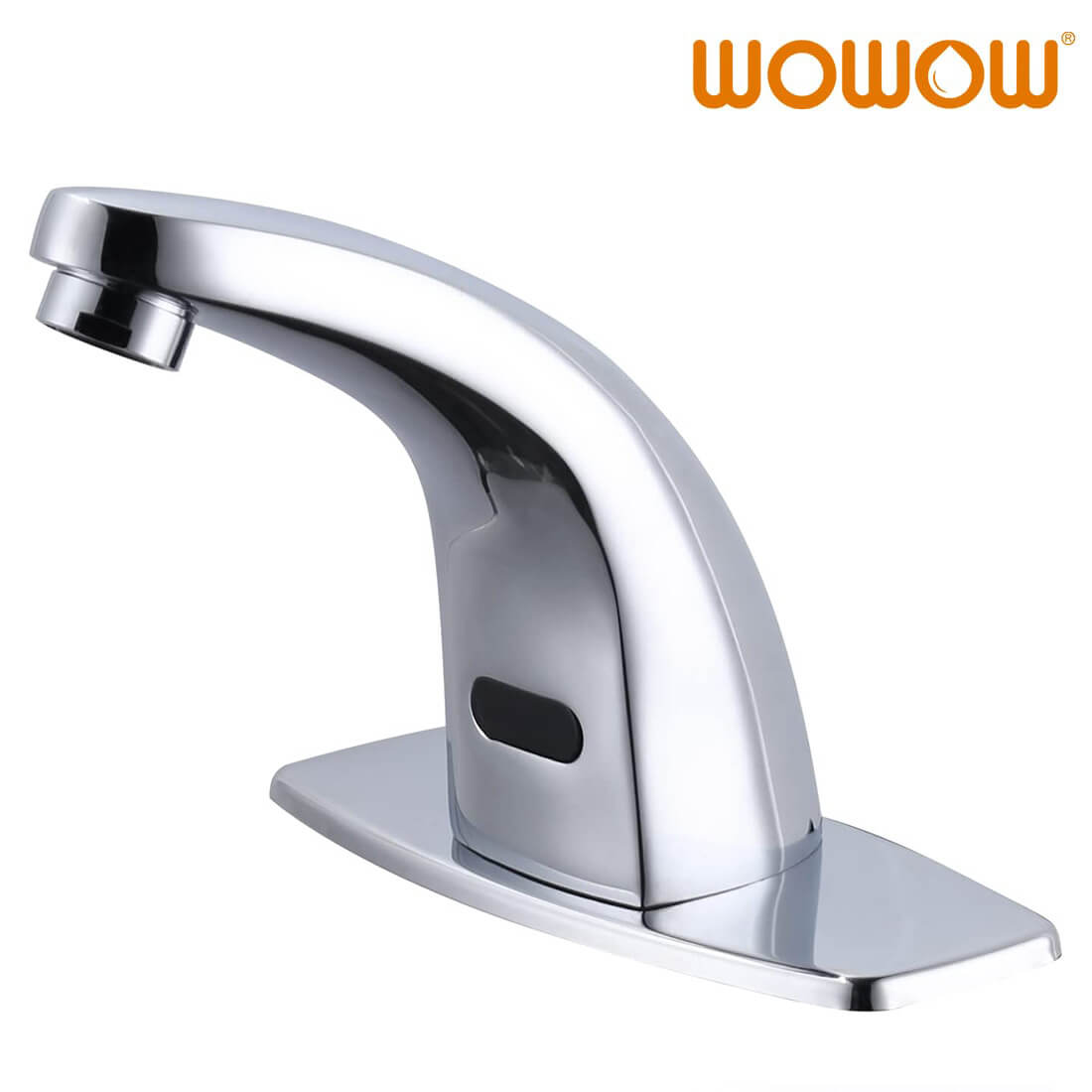
No — but its role is changing.
Chrome is no longer the unquestioned default finish across interiors. In 2026, design values emphasize warmth, texture, and personal expression — and that often pushes people toward brushed metals, matte tones, or intentional mixed-metal schemes.
However:
- Chrome remains relevant in contemporary and minimalist designs.
- Chrome works beautifully as an accent when balanced with other finishes.
- Chrome is still practical for high-use environments like bathrooms and kitchens.
So it’s not about chrome being outdated — it’s about using it purposefully. In 2026, designers are less concerned with uniformity and more focused on creating spaces that feel distinct, layered, and tailored to individual lifestyle and taste.
7. Final Takeaways for Your Home
If you’re renovating or decorating in 2026:
✔ Don’t shy away from chrome if it suits your aesthetic — especially in modern spaces.
✔ Pair chrome with other finishes to avoid a flat or dated look.
✔ Explore warmer, textured metals if you want a more current, nuanced feel.
✔ Focus on the whole palette, not just one finish — balance is what makes a design truly stylish in 2026.