 WOWOW Faucets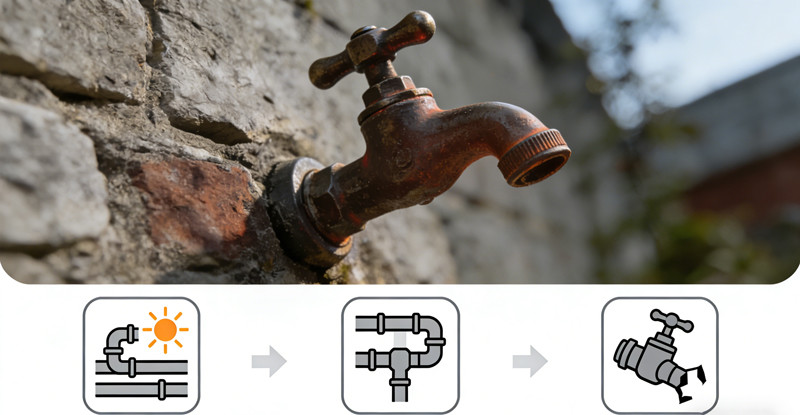
Outdoor faucets are usually associated with cold, refreshing water—perfect for washing the car, filling a bucket, or watering the garden. So when you reach for the handle and find that your outdoor faucet is warm or even hot to the touch, it can feel surprising and concerning. A hot outdoor faucet often points to underlying plumbing or environmental issues that shouldn’t be ignored. In some cases, it’s harmless and easily resolved; in others, it may signal a more serious problem that requires professional attention.
This comprehensive guide explains why your outdoor faucet becomes hot, the potential risks, how to diagnose the problem, and what you can do to fix it.
1. Sun Exposure: Heat Transfer from Direct Sunlight
The most common and harmless reason an outdoor faucet feels hot is direct sunlight exposure. Metal absorbs heat quickly, especially materials like brass, stainless steel, and copper.
How It Happens
- Dark-colored or metal faucets heat up rapidly on sunny days
- The heat transfers directly onto the faucet body
- Even if the water inside is cool, the outer surface becomes hot
Signs Sunlight Is the Cause
- The faucet is hot only during midday or afternoon
- The heat is strongest on the outer metal parts
- The water is cool immediately when the faucet is turned on
How to Solve It
- Install a small shade or cover
- Wrap the faucet with insulating material
- Choose UV-resistant spray-on insulating coatings
- Move the faucet (if construction allows), though this is rarely necessary
If sunlight is the cause, there’s typically no danger—just an uncomfortable touch.
2. Hot Water Lines Are Connected by Mistake
In older homes or during renovations, plumbing mistakes happen. You may have hot water accidentally routed to an outdoor faucet.
How It Happens
- A plumber or DIY installer connected the faucet to a hot water line
- A mixing valve inside the home is leaking hot water into the cold line
- Hot and cold lines run too close together without proper separation
Signs Hot Water Is Being Supplied
- Hot water comes out when you open the faucet
- The faucet remains warm even early in the morning
- Pipes inside the wall leading to the spigot feel warm to touch
Fixes
- Inspect plumbing lines—trace the pipe to see if it connects to hot water
- Replace faulty or worn-out mixing valves
- Correct cross-connections in the plumbing system
This issue should be corrected because hot water wasted outdoors increases utility bills and can cause additional wear on the faucet.
3. Thermal Conduction from Nearby Hot Water Pipes
Your outdoor faucet may not be directly connected to the hot water supply, but heat can still transfer from adjacent hot water lines inside your walls.
How It Happens
- Pipes are placed too close together
- Hot water pipe radiates heat into the cold water pipe
- The metal faucet transfers that heat to the touch
Common Scenarios
- Laundry rooms or kitchens placed on the other side of the wall
- Tankless water heaters mounted near the outdoor faucet
- Copper pipes sitting side by side
How to Fix It
- Add pipe insulation between hot and cold lines
- Re-route piping if poorly installed
- Move tankless heaters or install heat shields
This problem does not usually affect water quality but may shorten faucet lifespan due to thermal fatigue.
4. A Water Heater Backflow Issue
Hot water can travel backward into the cold water line due to pressure imbalance or faulty valves.
Causes
- Broken check valves
- Incorrectly installed recirculation pumps
- Expansion tank problems
- Water heater creating excessive pressure
Signs of Backflow
- Outdoor faucet warms up after long periods of hot water use indoors
- Water changes temperature unexpectedly
- Other cold fixtures also feel slightly warm
Solutions
- Replace faulty check valves
- Service the water heater
- Install a backflow preventer
- Add or correct expansion tanks
Backflow is more serious and may affect not just the outdoor faucet but your entire plumbing system.
5. Heat From Exterior Walls or Surfaces
The faucet might not be heated by water but by ambient heat transferred from the building structure.
How It Happens
- Brick or stone walls absorb and radiate heat
- Dark siding materials reach high temperatures
- HVAC exhaust heat warms the surrounding area
Signs
- The faucet body (not the water) is hot
- Pipes behind the wall are also warm
- More noticeable during summer months
Fixes
- Add a heat shield between siding and faucet
- Relocate heat-producing appliances
- Insulate pipes passing through hot areas
This usually does not damage plumbing but can cause thermal expansion over time.
6. Hot Water Crossover Inside Cartridge or Valve
If your outdoor faucet is a frost-free spigot or modern fixture, it may use a cartridge. Some cartridges fail internally, allowing hot water to mix into cold water lines.
What Causes It
- Wear and tear on internal components
- Poor-quality valves
- Mineral buildup affecting seal performance
Signs
- Outdoor faucet gradually increases in temperature over time
- Inconsistent water temperature
- Warm pipes even when the faucet is off
Fix
- Replace the faucet cartridge or the entire spigot
- Flush mineral buildup
- Upgrade to a high-quality valve
Potential Risks of a Hot Outdoor Faucet
1. Higher Utility Bills
Hot water wasted outdoors increases gas or electric consumption.
2. Pipe Damage
Cool pipes exposed to heat repeatedly may suffer expansion and contraction issues.
3. Water Quality Concerns
Cross-connection issues can lead to contamination risks.
4. Burn Risk
In extreme cases—especially when hot water mistakenly feeds the faucet—the metal surface can cause skin burns.
5. Reduced Faucet Lifespan
Thermal stress accelerates corrosion and weakens seals.
How to Diagnose the Problem Yourself
You can perform simple checks before calling a plumber:
- Touch the wall behind the faucet — is it hot?
- Run the water for 10 seconds — does it start hot then cool?
- Check nearby fixtures — do they also run warm unexpectedly?
- Inspect the pipe path — look for hot water lines crossing the outdoor faucet line.
- Test at night or early morning — Is the faucet still warm without sunlight?
These tests often reveal whether the issue is environmental or plumbing-related.
When to Call a Professional
Consult a plumber if:
- Hot water flows from the faucet consistently
- The faucet remains hot at night
- Other fixtures show similar symptoms
- Backflow or incorrect plumbing connection is suspected
Early diagnosis prevents costly repairs and keeps your plumbing system safe.
Conclusion
A hot outdoor faucet might seem unusual, but the causes range from harmless sun exposure to more serious plumbing issues like cross-connections or backflow. Understanding the reason behind the heat helps you solve the problem quickly and avoid long-term damage. By inspecting sunlight exposure, nearby hot water lines, valve performance, and water flow, you can determine whether the issue requires a simple fix or professional service. Ensuring your outdoor faucet stays cool and functional protects your plumbing system and keeps your home running safely and efficiently.