 WOWOW Faucets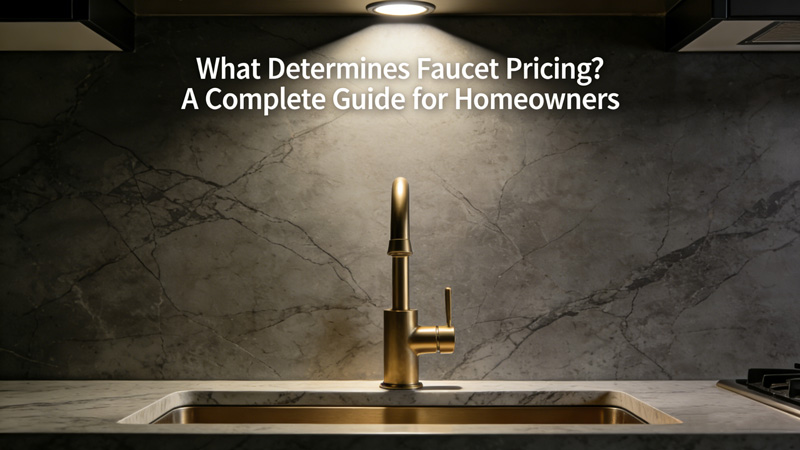
When shopping for a kitchen or bathroom faucet, one of the first things people notice is the wide range of prices. Faucets can cost as little as $30 or climb well above $800, even though many of them appear similar at first glance. This price difference often leaves homeowners wondering: what actually determines faucet pricing?
The truth is that faucet prices are influenced by several factors, including materials, internal components, brand reputation, technology, and design complexity. Understanding these elements can help you make a smarter purchase and ensure you’re paying for real quality rather than unnecessary extras.
Below is a closer look at the key factors that influence faucet pricing and what they mean for your home.
1. Materials Used in Construction
One of the biggest factors affecting faucet pricing is the material used to manufacture the body and internal parts.
Solid Brass
High-end faucets are usually made from solid brass, which is durable, corrosion-resistant, and long-lasting. Brass construction can significantly increase the price of a faucet, but it also improves longevity and reliability.
Advantages include:
- Strong resistance to rust and corrosion
- Long lifespan, often lasting decades
- Better resistance to leaks and cracks
Because brass is more expensive than other metals, faucets made from it tend to fall into the premium price category.
Stainless Steel
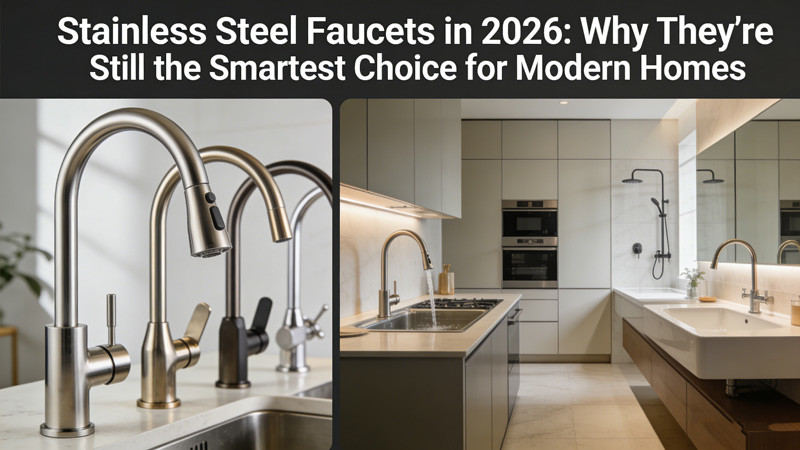
Stainless steel is another durable option commonly used in mid- to high-range faucets. It offers excellent resistance to rust and stains and pairs well with modern kitchens that feature stainless appliances.
Zinc Alloy or Plastic
Lower-cost faucets may use zinc alloys or plastic components. While these can reduce the price dramatically, they often sacrifice durability. Over time, they may corrode, crack, or develop leaks sooner than higher-quality materials.
In general, the better the material quality, the higher the faucet price will be.
2. Internal Valve and Cartridge Quality
A faucet’s external appearance may look similar across models, but the internal components often determine both performance and cost.
The most important part is the cartridge, which controls water flow and temperature.
Ceramic Disc Cartridges
High-quality faucets use ceramic disc cartridges, which are extremely durable and resistant to wear. They can operate smoothly for many years without dripping.
Because ceramic cartridges last much longer than traditional designs, they increase manufacturing costs and, therefore, retail pricing.
Compression or Rubber Valves
Budget faucets sometimes rely on compression valves or rubber washers. These components are cheaper but tend to wear out faster, leading to leaks or stiff handles over time.
For this reason, faucets with ceramic disc technology are usually more expensive but also more reliable.
3. Finish and Surface Coating
The finish applied to a faucet plays a major role in pricing as well.
Common finishes include:
- Chrome
- Brushed nickel
- Matte black
- Oil-rubbed bronze
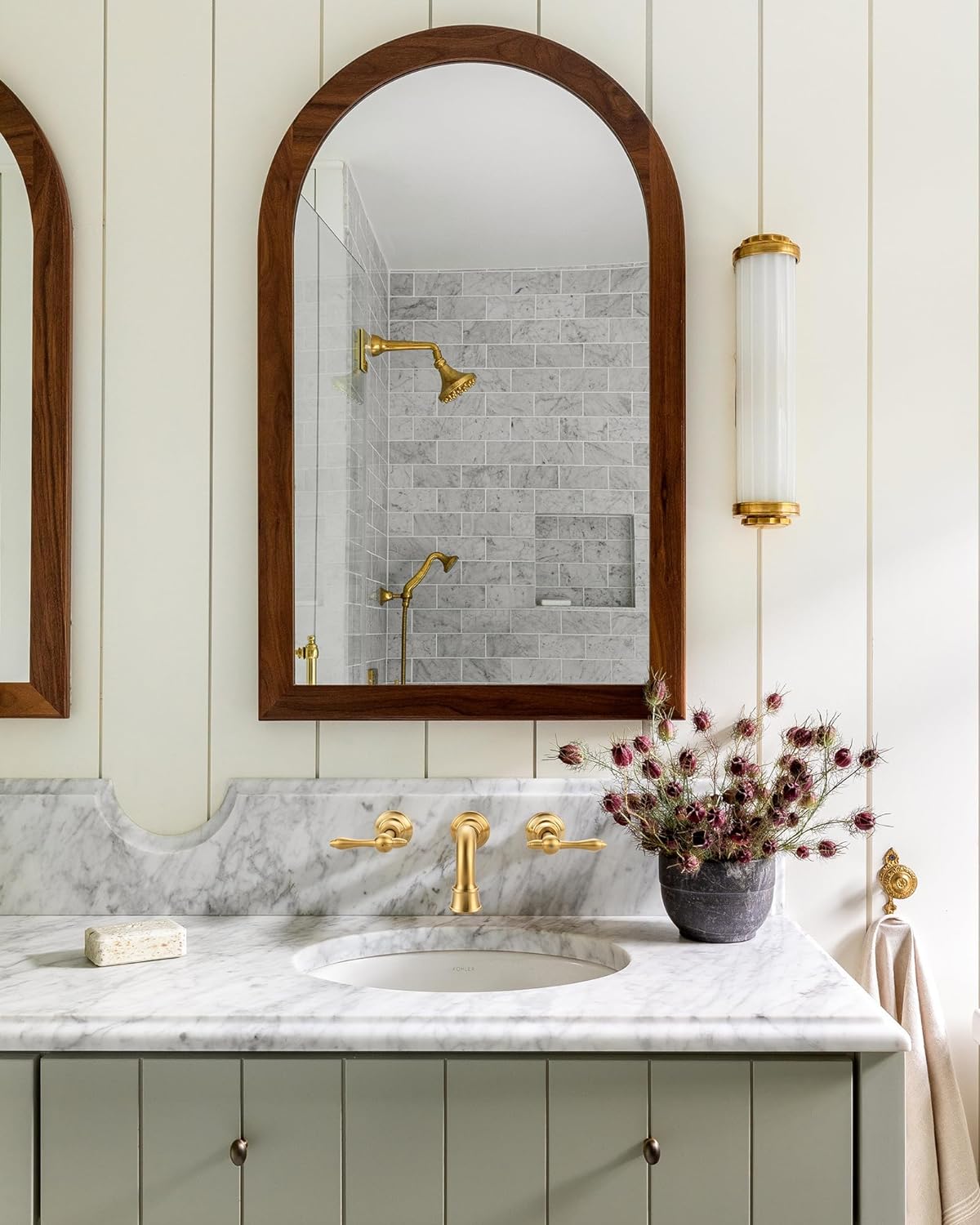
- Brushed gold or champagne bronze
Simple chrome finishes are typically the most affordable because they require less complex manufacturing processes.
However, specialty finishes such as brushed gold or matte coatings often involve multiple layers of plating or protective treatments. These processes increase production costs, which are reflected in the final price.
Premium finishes are also designed to resist fingerprints, corrosion, and fading, making them more durable over time.
4. Technology and Smart Features
Modern faucets increasingly include advanced technology, which can significantly affect pricing.
Some of the most popular smart features include:
Touch Technology
Touch-activated faucets allow users to turn water on or off with a simple tap on the spout or handle. This feature is particularly convenient when cooking with messy hands.
Motion Sensors
Touchless faucets use motion sensors to activate water flow automatically. These are common in both commercial environments and modern residential kitchens.
Smart Home Integration
Certain high-end models can integrate with smart home systems, allowing voice commands or app-based controls.
While these features improve convenience and hygiene, they require additional sensors, electronics, and software integration, all of which increase the overall price.
5. Design Complexity
Faucet design plays a surprisingly large role in pricing.
A simple single-handle faucet with a straightforward spout is relatively inexpensive to produce. In contrast, faucets with intricate curves, architectural shapes, or waterfall spouts require more complex manufacturing techniques.
Some design elements that increase costs include:
- Commercial-style high-arc springs
- Multi-piece bridge faucet construction
- Integrated pull-down sprayers
- LED lighting features
More complex designs require additional engineering, materials, and assembly time, which raises the final retail price.
6. Brand Reputation and Warranty
Brand reputation also influences faucet pricing. Well-known manufacturers invest heavily in research, product testing, and quality control.
For example, companies such as Moen, Delta Faucet, and Kohler often charge higher prices because they offer proven reliability and long-term warranties.
Many premium brands provide:
- Lifetime warranties
- Replacement parts availability
- Extensive customer support
While these faucets may cost more initially, the long-term reliability can save money on repairs and replacements.
7. Manufacturing and Quality Control
Another hidden factor in faucet pricing is manufacturing standards.
High-end faucets often undergo strict quality inspections and durability testing. Some manufacturers test their products through hundreds of thousands of handle cycles to ensure reliability.
In contrast, lower-priced faucets may skip extensive testing to reduce production costs. While this lowers the purchase price, it can lead to shorter product lifespans.
8. Certifications and Water Efficiency
Regulatory certifications can also affect faucet pricing.
Many modern faucets meet water efficiency standards, such as WaterSense certification. These designs limit water usage without reducing performance.
To achieve these certifications, manufacturers must invest in engineering and testing, which slightly increases costs but benefits both the environment and household water bills.
9. Installation and Included Accessories
Some faucets come with extra components that add value but also increase price.
These may include:
- Built-in soap dispensers
- Pull-down spray hoses
- Magnetic docking systems
- Installation hardware and tools
Models that include these accessories often cost more upfront but may simplify installation and improve usability.
Final Thoughts on Faucet pricing
Faucet pricing is influenced by far more than appearance alone. While two faucets may look similar at first glance, the differences in materials, internal components, finish quality, technology, and brand reputation can significantly affect their price.
In general:
- Budget faucets ($30–$100) often use simpler materials and basic components.
- Mid-range faucets ($100–$300) offer better durability and modern design features.
- Premium faucets ($300–$800+) include high-end materials, advanced technology, and luxury finishes.
When choosing a faucet, it’s important to balance budget, performance, and design preferences. Paying slightly more for better materials and reliable components can often lead to a fixture that performs well and lasts for many years.
Ultimately, the best faucet isn’t necessarily the most expensive one—it’s the one that delivers the right combination of durability, functionality, and style for your space.

您好!Please sign in