 WOWOW Faucets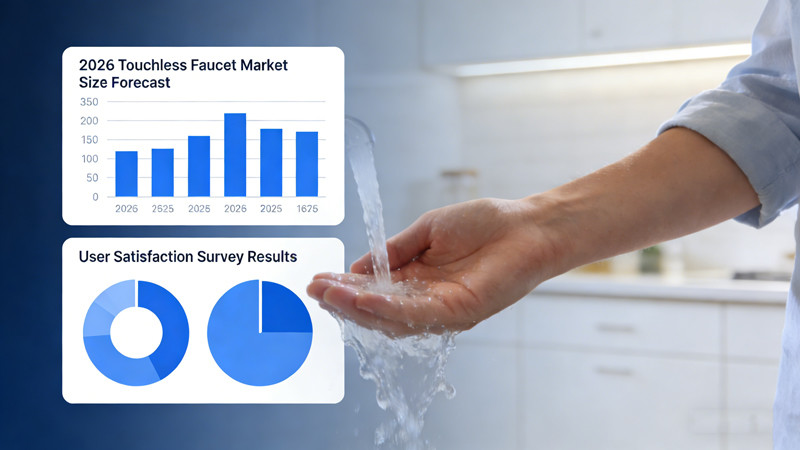
In 2026, touchless faucets are no longer futuristic novelties or luxury upgrades—they have become a mainstream component of modern kitchens, bathrooms, and public washroom spaces worldwide. Fuelled by hygiene priorities, smart home integration, sustainability goals, and design innovation, touchless faucets are reshaping how we interact with one of the most basic utilities in our built environments.
Why Touchless Faucets Matter in 2026
Touchless faucets, defined by sensor-activated operation without manual contact, have surged in popularity since the COVID-19 pandemic heightened public awareness of germ transmission. Over the past few years, the demand for hands-free water fixtures expanded beyond commercial restrooms into residential kitchens, bathrooms, and even luxury homes. By eliminating the need to twist handles, turn knobs, or engage manual levers, touchless systems reduce bacterial crossover, promote cleaner surfaces, and streamline daily routines.
Market research indicates that sensor and touchless technology now accounts for a significant share of the faucet space. One report estimates that touchless faucets comprised roughly two-thirds of smart faucet deployments in recent years, particularly driven by hygiene and water-saving features.
Technological Advances: Smarter Than Ever
In 2026, touchless faucet tech has evolved significantly:
- Advanced Sensors and AI Integration: Infrared and capacitive sensors trigger water flow with remarkable accuracy—detecting hands, dishes, even pets at varying heights. More advanced models use AI to optimize temperature and flow rates based on user routines, reducing guesswork and boosting comfort.
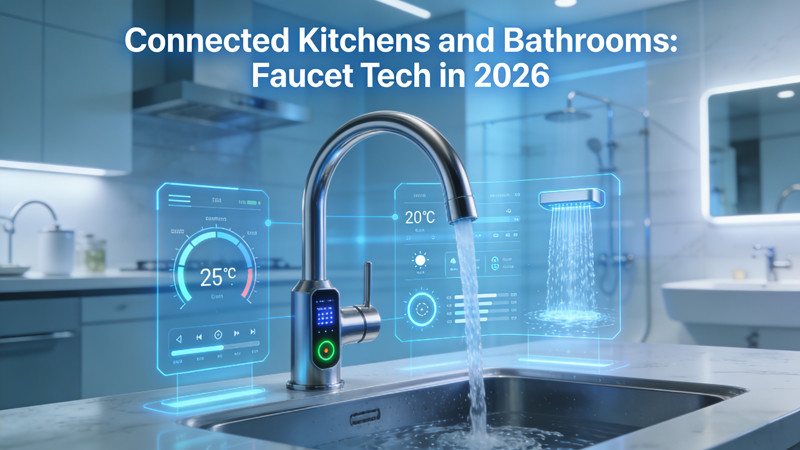
- Smart Home Connectivity: Many touchless faucets now connect to Wi-Fi or Bluetooth, enabling integration with smart home systems like Alexa, Google Home, and Apple HomeKit. Through mobile apps, users can monitor water usage, receive maintenance alerts, and customize settings such as default temperature and timer shut-offs.
- Voice and Gesture Control: Beyond simple motion sensors, the latest touchless models can recognize gesture patterns or voice commands to trigger precise volumes of water—for example, “dispense two cups of water” or “warm water only.”
- Battery-Free and Eco-Power Designs: Some manufacturers are experimenting with power systems that use water flow or micro turbines to generate energy, reducing reliance on batteries or hard-wiring while lowering maintenance hassle.
These developments reflect a broader shift toward predictive maintenance and data-driven performance—where water fixtures not only respond to users but help them manage resources more intelligently.
Hygiene and Public Health: A Core Driver
Touchless faucets are now standard in many public and commercial settings, from office buildings and hospitals to airports and restaurant restrooms. Facility managers increasingly specify hands-free fixtures because they significantly reduce physical contact points, diminishing the risk of germ transmission across high-traffic environments.
Even beyond disease prevention, this hygienic value translates into confidence and perception: businesses often feature touchless fixtures as part of broader wellness programs, and their presence can signal a commitment to cleanliness to visitors and employees alike.
Water Conservation and Sustainability
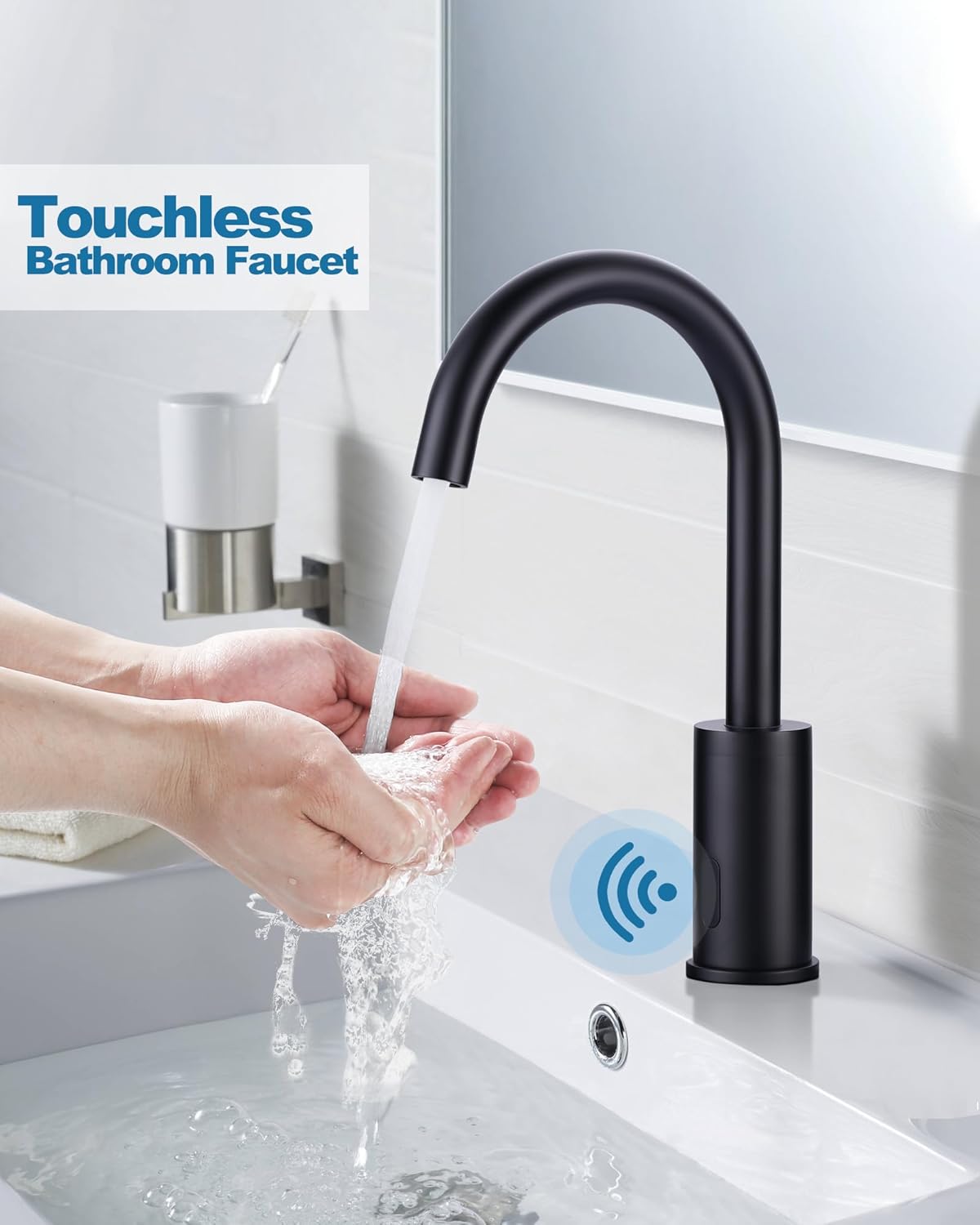
One of the most important benefits of touchless faucets in 2026 is water conservation. Sensor-based systems automatically shut off when hands move away, eliminating water wastage from taps left running accidentally. Touchless faucets can reduce water usage significantly compared to traditional manual fixtures, leading to measurable savings on utility bills.
This aligns with broader environmental expectations: consumers and commercial buyers are increasingly demanding products that help reduce waste, comply with water-efficiency standards, and support sustainable lifestyles. Regulations in major markets have also tightened around permissible flow rates, incentivizing manufacturers to include low-flow and smart shut-off tech as standard features.
Design and Aesthetics: Form Meets Function
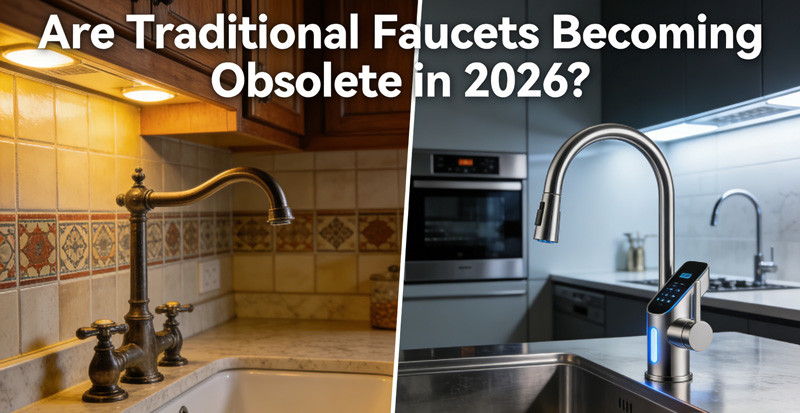
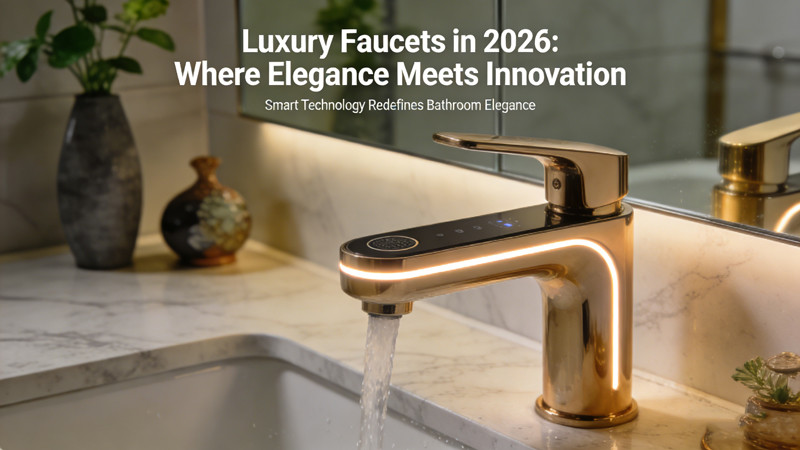
In 2026, touchless faucets are not just about sensors—they’re design pieces. Minimalist lines, matte finishes like black or brushed nickel, and sleek profiles blend with modern interiors. Designers are increasingly integrating hidden sensor arrays and discreet electronics so that the aesthetic qualities of the faucet aren’t compromised by its tech.
Both residential and commercial spaces seek harmony between form and function—corporate bathrooms, for example, prioritize fixtures that complement interior design while meeting performance and durability expectations.
Challenges and Considerations
Despite widespread adoption, touchless faucets are not without drawbacks. Some users report sensor misfires, inconsistent activation, or maintenance challenges—especially in budget models. Issues such as phantom activations from shadows or water droplets on sensors can occasionally frustrate users.
Battery lifespan and replacement remain a consideration as well, particularly for stand-alone models without hard-wired power. While many high-end faucets offer long battery life, frequent users may still face periodic replacements.
Cost can also be a barrier. Premium touchless systems with smart features, IoT integration, and advanced sensors carry a higher price tag than traditional fixtures. However, many homeowners and businesses see long-term value through water savings, hygiene benefits, and increased property appeal.
Where the Market Is Heading in 2026
Market forecasts suggest continued growth for touchless and smart faucet technology. Several studies estimate a steady CAGR for the smart faucet market through the late 2020s, driven by rising touchless adoption, smart home penetration, and water-efficiency mandates.
Regions such as North America, Western Europe, and Asia-Pacific are leading adoption, with commercial infrastructure projects and residential smart home upgrades pushing demand upward.
Beyond traditional kitchens and bathrooms, touchless technology is expanding into specialized sectors—like healthcare facilities with antimicrobial surfaces, industrial kitchens with hygiene standards, and luxury residential spaces that leverage voice and app control.
Conclusion: A Hands-Free Future
By 2026, touchless faucets have moved from optional upgrades to expected features in many settings. They represent a fusion of practicality, hygiene, sustainability, and smart innovation. Whether you’re a homeowner seeking convenience and lower water bills or a facility manager focused on hygiene and ESG performance, touchless faucets offer a compelling value proposition.
Though challenges remain—like sensor calibration and cost considerations—the overall trajectory points to broader use, smarter capabilities, and deeper integration with our increasingly connected lives. As touchless water technology evolves, the simple act of turning on a faucet will feel less like a physical task and more like an effortless part of a seamless, intelligent space.