 WOWOW Faucets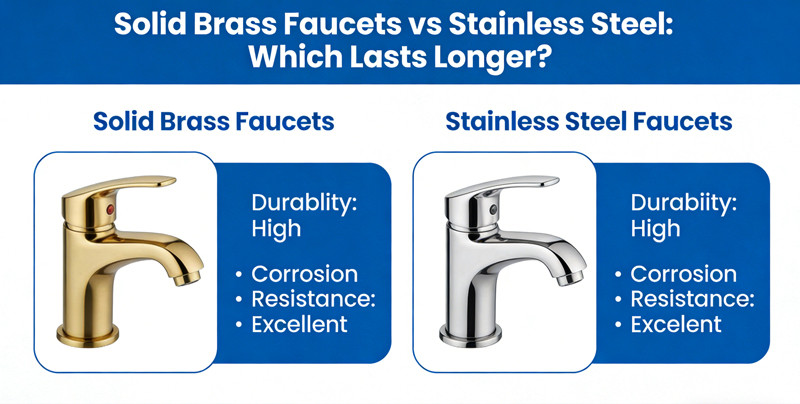
When choosing a faucet for your kitchen or bathroom, durability is one of the most important factors to consider. Two of the most popular materials on the market today are solid brass and stainless steel. Both are known for their strength and resistance to wear, but they differ in composition, performance, and long-term reliability. So, which one truly lasts longer? Let’s break it down.
Understanding Solid Brass Faucets
Solid brass faucets are made primarily from copper and zinc, forming a durable alloy that has been used in plumbing for decades. High-quality brass faucets are often considered a premium option because of their strength and resistance to corrosion.
One of the biggest advantages of brass is its ability to withstand harsh water conditions. In areas with hard water or fluctuating pH levels, brass tends to perform exceptionally well. It resists rust and does not degrade easily when exposed to minerals, making it a reliable long-term choice.
Another key benefit is its structural integrity. Solid brass is dense and heavy, which means it is less likely to crack or break under pressure. This makes brass faucets particularly suitable for high-use environments, such as busy kitchens or commercial settings.
Understanding Stainless Steel Faucets
Stainless steel faucets are made from iron alloyed with chromium, which provides corrosion resistance. The chromium forms a protective layer on the surface, preventing rust and staining. Stainless steel is widely used in modern kitchens due to its sleek appearance and hygienic properties.
One of the standout features of stainless steel is its resistance to rust and corrosion in most environments. It is also less likely to tarnish compared to other materials, maintaining its appearance over time with minimal maintenance.
Additionally, stainless steel is lighter than brass, making it easier to install. It is also often more affordable, which makes it a popular choice for homeowners on a budget.
Durability Comparison
When it comes to longevity, both materials are durable, but there are important differences:
1. Corrosion Resistance
Solid brass has excellent resistance to corrosion, especially in challenging water conditions. It does not rust and can handle mineral-heavy water without significant damage. Stainless steel also resists corrosion well, but lower-quality grades may be more susceptible over time.
2. Strength and Longevity
Brass is generally stronger and more robust than stainless steel. Its density allows it to withstand years of use without structural damage. High-quality brass faucets can last 15–20 years or more with proper care.
Stainless steel faucets are also durable but may not match the lifespan of solid brass in high-stress or high-use situations. Their longevity often depends on the grade of steel used.
3. Resistance to Wear and Tear
Brass tends to resist wear better, especially in moving parts and internal components. Stainless steel, while tough, can be more prone to surface scratches, which may affect its appearance over time.
Maintenance and Care
Both materials are relatively low-maintenance, but they differ slightly in care requirements.
Brass faucets often come with protective coatings such as chrome or brushed finishes. These coatings need to be maintained to prevent tarnishing. Regular cleaning with mild soap and water is usually sufficient.
Stainless steel faucets are easier to maintain in terms of appearance. They resist fingerprints and stains better, especially if they have a brushed finish. However, they can show water spots if not wiped dry.
Cost Considerations
Solid brass faucets are typically more expensive due to the cost of materials and manufacturing. However, their long lifespan can make them a better investment over time.
Stainless steel faucets are generally more budget-friendly, offering good durability at a lower price point. For many homeowners, they provide a balance between cost and performance.
Which Lasts Longer?
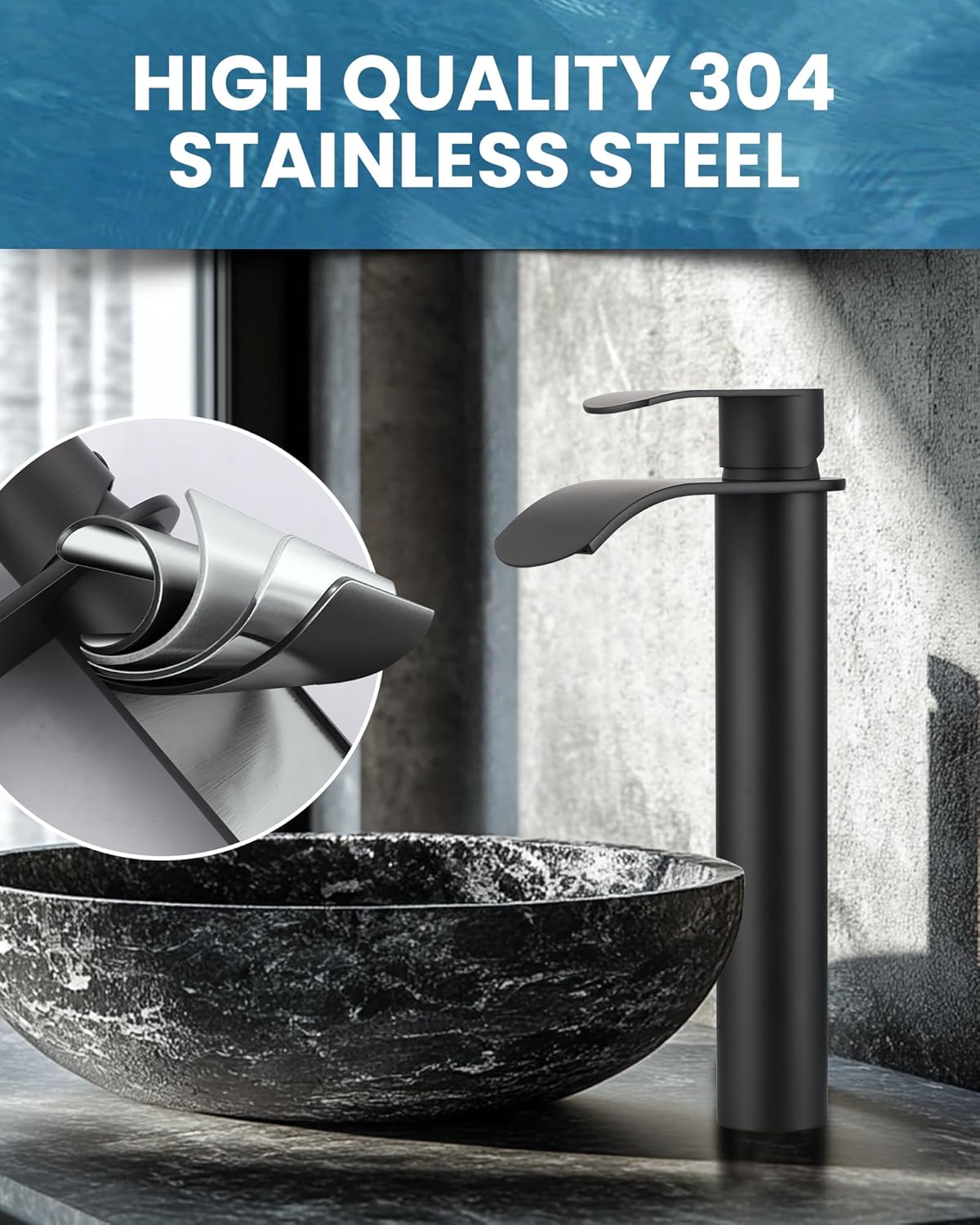
If we focus purely on lifespan, solid brass faucets generally last longer than stainless steel faucets. Their superior strength, مقاومت to corrosion, and ability to handle harsh conditions give them an edge in durability.
However, this does not mean stainless steel is a poor choice. High-quality stainless steel faucets can still last many years and perform reliably, especially in standard residential settings.
Choosing the Right Option
The best choice depends on your needs:
- Choose solid brass if you want maximum durability, long-term investment, and reliability in challenging water conditions.
- Choose stainless steel if you prefer a modern look, lower cost, and easier maintenance.
Final Thoughts
Both solid brass and stainless steel faucets are excellent choices, but they serve slightly different purposes. Solid brass stands out for its long lifespan and durability, making it ideal for those who prioritize longevity. Stainless steel, on the other hand, offers a sleek appearance and solid performance at a more affordable price.
In the end, the right faucet is not just about how long it lasts, but how well it fits your lifestyle, budget, and design preferences. By understanding the strengths of each material, you can make a more informed decision and invest in a faucet that will serve you well for years to come.