 WOWOW Faucets
Once considered a niche upgrade reserved for luxury kitchens, pot filler faucets have steadily moved into the mainstream. As we enter 2026, homeowners, designers, and builders alike are asking the same question: Are pot filler faucets still worth it—and how are they evolving?
The short answer: pot fillers are no longer just about convenience. In 2026, they represent a blend of functional efficiency, thoughtful design, and modern kitchen planning.
What Is a Pot Filler Faucet?
A pot filler faucet is a wall-mounted or deck-mounted swing-arm faucet, typically installed above or near a cooktop. Its primary purpose is simple: to fill large pots with water directly at the stove, eliminating the need to carry heavy, water-filled cookware from the sink.
While the concept has existed for decades, advancements in design, materials, and water efficiency have significantly reshaped the pot filler’s role in today’s kitchens.
Why Pot Filler Faucets Remain Popular in 2026
1. Function Meets Ergonomics
Modern kitchens emphasize ease of movement and reduced physical strain. Carrying a fully filled stockpot can be awkward and potentially unsafe, especially in busy or compact kitchens. In 2026, with a growing focus on aging-in-place design and universal accessibility, pot fillers are seen as a practical ergonomic solution—not just a luxury add-on.
They’re particularly valued in:
- Multi-generational households
- Professional-style home kitchens
- ADA-conscious or accessibility-focused designs
2. A Symbol of Thoughtful Kitchen Design
Pot fillers have become a visual signal of a well-planned kitchen. Rather than being flashy, today’s models integrate seamlessly into backsplash layouts and cabinetry lines. Designers now treat pot fillers as a functional architectural element—on par with task lighting or appliance placement.
In 2026, kitchens are less about excess and more about intentional upgrades, and pot fillers fit perfectly into that philosophy.
Design Trends Shaping Pot Fillers in 2026
Minimalist Profiles
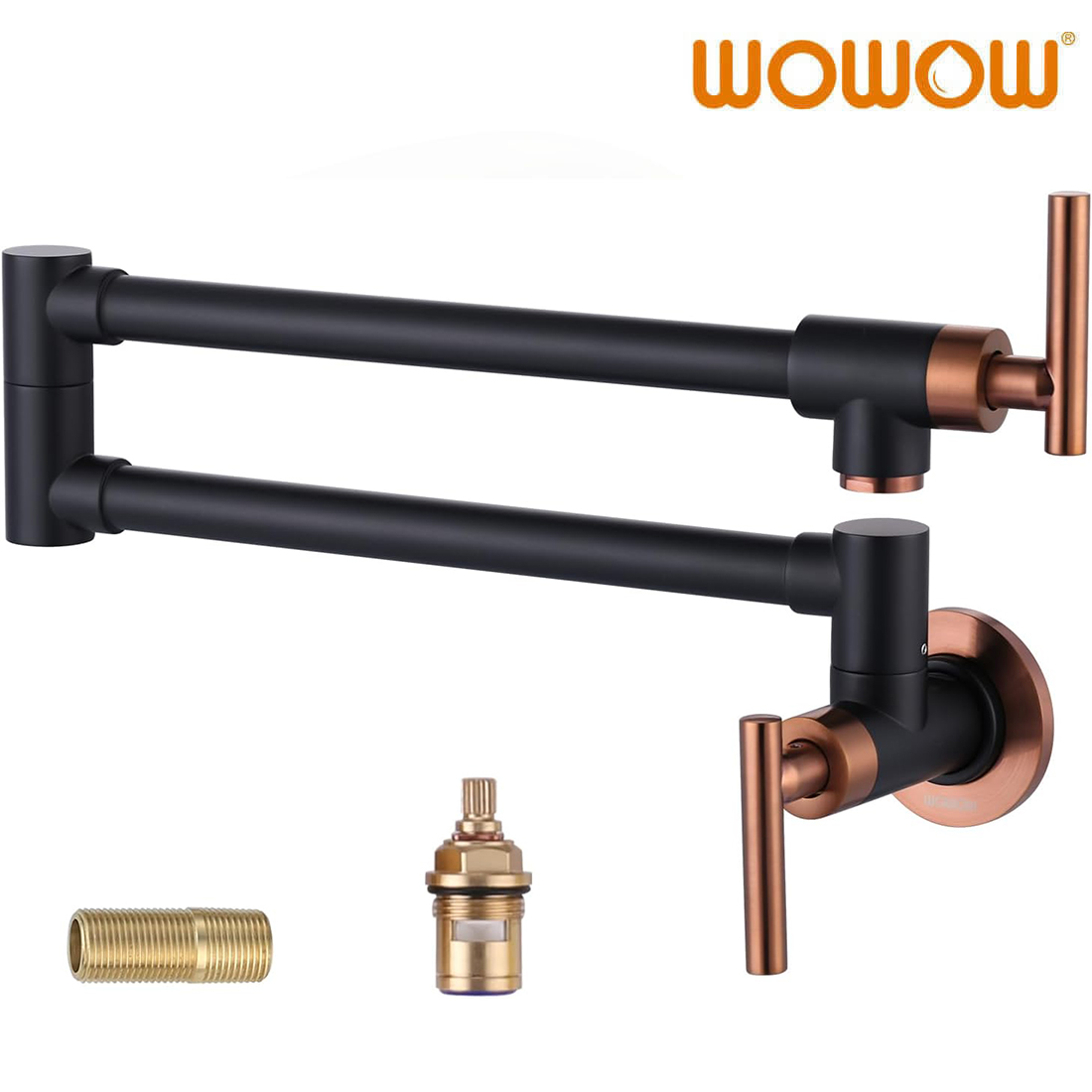
Bulky, ornate pot fillers are fading out. The dominant trend is slim, clean-lined silhouettes with articulated arms that fold neatly against the wall. This keeps the faucet visually unobtrusive when not in use.
Popular Finishes
While chrome remains a classic, 2026 favors finishes that balance warmth and durability:
- Matte black for contrast-driven modern kitchens
- Brushed nickel for transitional and timeless designs
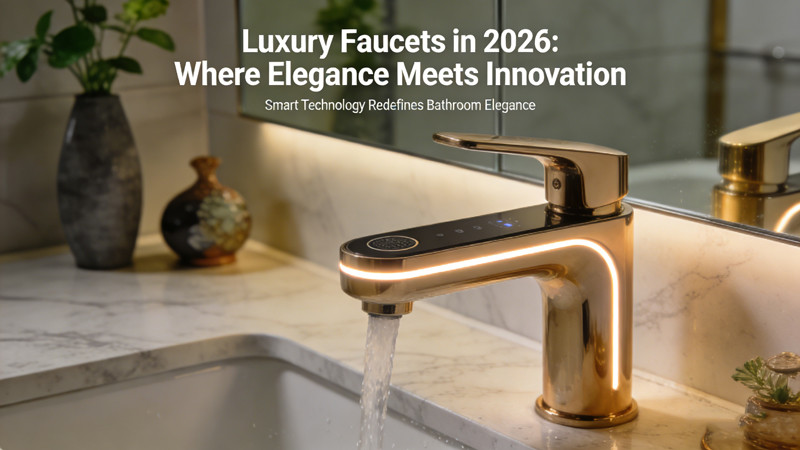
- Brushed gold or champagne bronze for subtle luxury
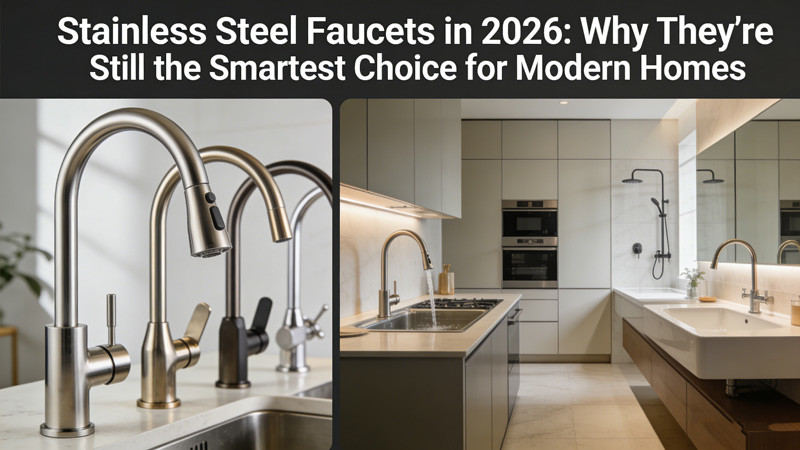
- Stainless steel for professional and commercial-inspired kitchens
Manufacturers are also improving coating technologies, making finishes more resistant to heat, splatter, and discoloration near cooking zones.
Coordinated Faucet Sets
Another key trend is finish and design consistency. Homeowners increasingly choose pot fillers that match their main kitchen faucet, soap dispensers, and accessories. This cohesive approach elevates the overall look without overwhelming the space.
Wall-Mounted vs. Deck-Mounted Pot Fillers
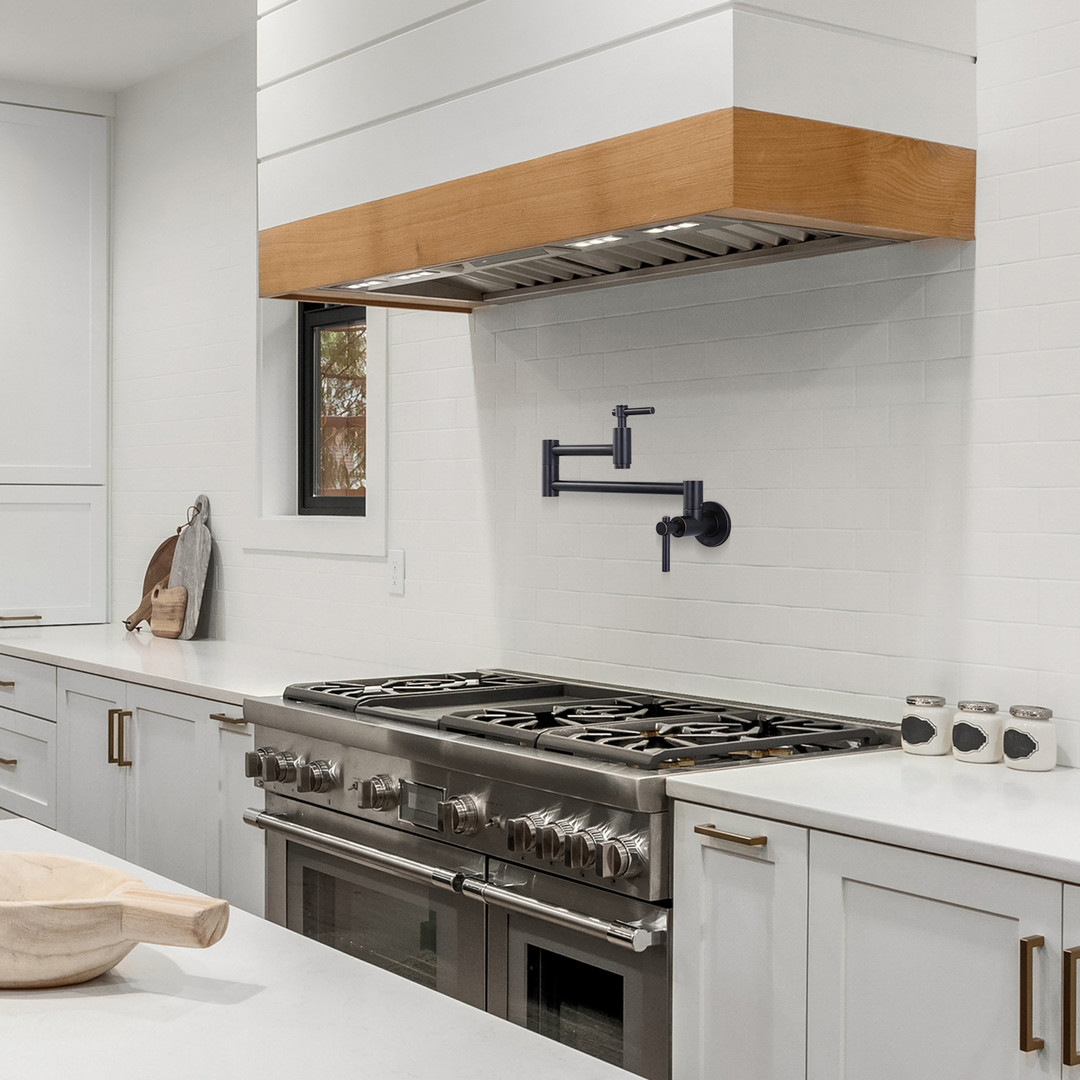
In 2026, wall-mounted pot fillers still dominate, largely due to their convenience and clean appearance. Installed above the cooktop, they free up counter space and feel purpose-built.
However, deck-mounted pot fillers are gaining modest traction in:
- Kitchen islands with integrated cooktops
- Renovations where wall plumbing is impractical
Both styles now commonly feature dual shut-off valves—one at the wall and one at the spout—for added leak protection, a feature many homeowners now expect as standard.
Water Efficiency and Safety Considerations
One criticism of pot fillers in the past was water waste. In response, 2026 models are designed with:
- Controlled flow rates
- Drip-resistant ceramic cartridges
- Improved sealing systems
While pot fillers are not typically required to meet the same flow restrictions as sink faucets, manufacturers are aligning designs with broader sustainability goals. Some brands even promote pot fillers as water-conscious by reducing accidental overfilling and minimizing unnecessary sink usage.
That said, industry professionals still emphasize proper installation and quality valves to prevent leaks—making reputable manufacturing more important than ever.
Are Pot Fillers Worth It in 2026?
The value of a pot filler faucet depends on how you use your kitchen.
Pot fillers make sense if:
- You cook frequently using large pots or stock
- Your kitchen layout places the sink far from the stove
- You’re designing a high-end or professional-style kitchen
- You prioritize convenience and long-term usability
They may be less essential if:
- You rarely cook large meals
- Your kitchen is extremely compact
- Budget allocation favors other upgrades
In 2026, pot fillers are best viewed not as a must-have, but as a purpose-driven upgrade—one that shines when it aligns with real cooking habits.
The Future of Pot Filler Faucets
Looking ahead, pot filler faucets are expected to evolve further in areas such as:
- Improved joint durability for longer service life
- Simplified internal mechanics to reduce maintenance
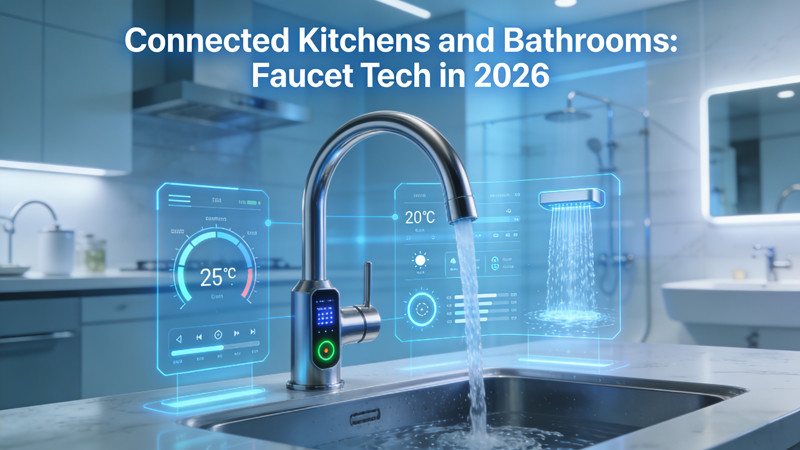
- Design compatibility with smart kitchen layouts
While fully “smart” pot fillers remain rare, subtle innovations—like smoother flow control and enhanced safety valves—are already redefining expectations.
Final Thoughts
In 2026, pot filler faucets have matured beyond their luxury-only reputation. They represent a thoughtful intersection of design, convenience, and modern kitchen ergonomics. For homeowners who cook often and value efficient layouts, a well-designed pot filler remains a practical and stylish investment.
Rather than asking whether pot fillers are “in or out,” the better question is: Does this feature support how you actually use your kitchen? When the answer is yes, a pot filler faucet continues to earn its place—both functionally and aesthetically—in the modern home.