 WOWOW Faucets
As we move deeper into 2026, kitchen design continues to evolve — and faucets are no longer just functional fixtures. Modern faucets now act as style statements, tech hubs, and sustainability tools that tie together the look and performance of the kitchen. From smart features to bold finishes and ergonomic design, this year’s faucet trends reflect changing lifestyles, design sensibilities, and consumer values.
Smart & Touchless Technology Becomes Mainstream
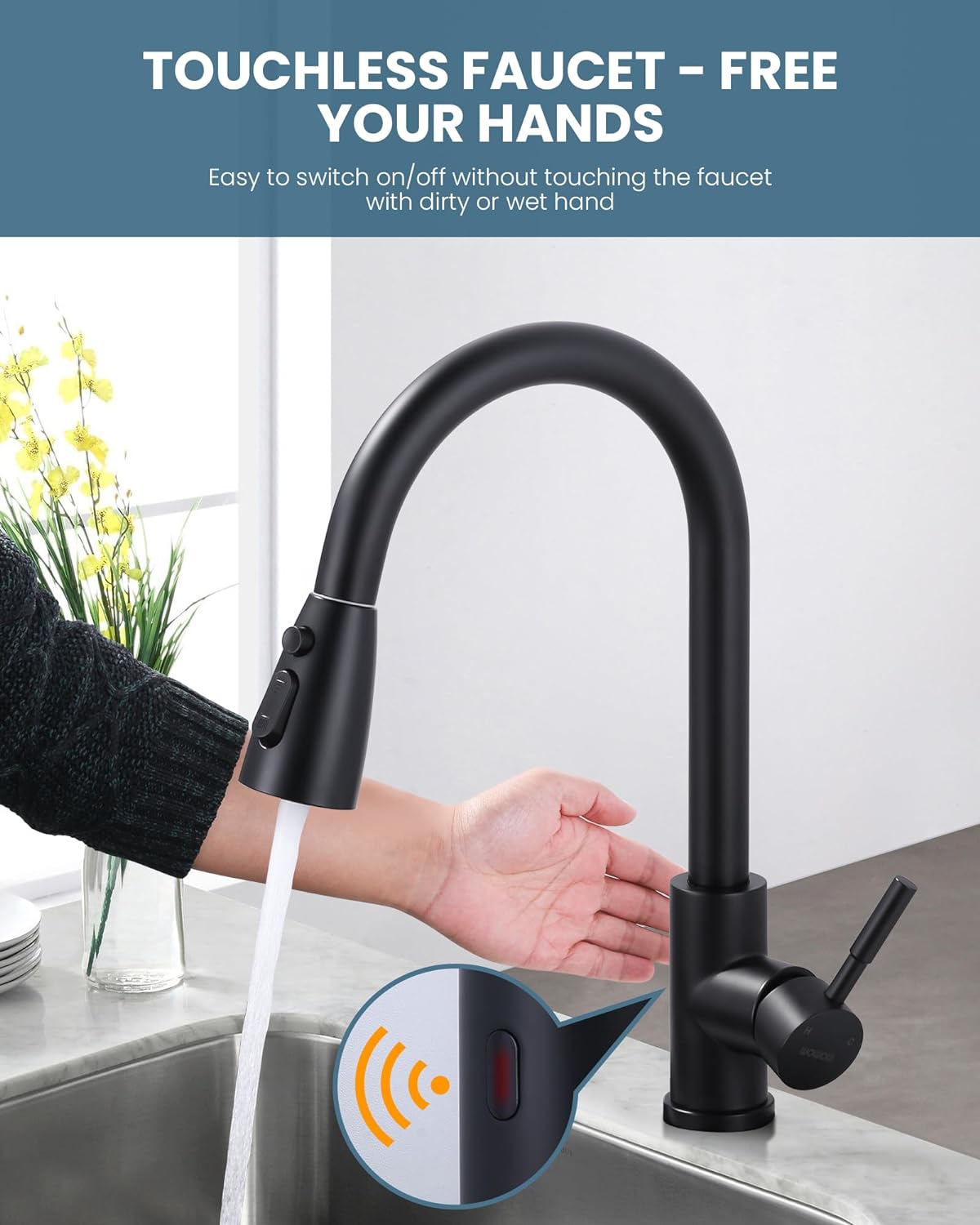
One of the most significant shifts in kitchen faucet trends for 2026 is the widespread adoption of smart and touchless technology. What was once a premium, niche feature is increasingly expected in contemporary kitchens. Motion sensing and touchless activation — where a faucet turns on with a hand wave — are now mainstream in both residential and commercial applications. This trend stems from a growing emphasis on hygiene and convenience, especially during high-traffic kitchen tasks where hands are often messy or occupied.
But 2026 goes even further. Faucets equipped with IoT (Internet of Things) connectivity are gaining traction. These smart models can connect to Wi-Fi or Bluetooth and integrate with home automation systems. Users can control water flow, temperature, and schedules through smartphone apps, voice assistants, or built-in sensors. Some systems even offer usage analytics, alerting homeowners about leaks, filter replacement schedules, and water consumption trends — features once reserved for high-end fixtures.
This blend of utility, safety, and efficiency aligns with broader smart home trends: faucets are no longer isolated hardware but part of a digital ecosystem designed to make everyday tasks easier and greener.
Finish & Aesthetic Innovations: Beyond Chrome
Aesthetics remain vital in 2026 faucet trends, with finishes evolving well past traditional chrome and stainless steel. Homeowners and designers are now embracing rich, expressive finishes that define the kitchen’s character.
Matte black continues its dominance as a sleek, modern staple that complements minimalist and monochrome kitchens. Its ability to hide fingerprints and water spots, plus its strong contrast against light stone or wood, pushes it into mainstream appeal.
At the same time, brushed nickel remains popular due to its warm tone and versatility. It pairs beautifully with both traditional and contemporary interiors and resists smudging better than polished finishes.
In luxury and boutique kitchen projects, gunmetal grey, brushed brass, and dual-tone combinations (such as black-and-gold or chrome-and-white) are rising. These finishes add depth and luxury without overwhelming the kitchen’s palette and help create visual cohesion with cabinetry and lighting.
Beyond color, textured finishes — including brushed surfaces and subtle industrial detailing — are gaining attention, adding depth, tactility, and a sense of craftsmanship to faucet design.
Minimalism and Sculptural Shapes
In design terms, 2026 faucets lean toward minimalist silhouettes and geometric purity. Clean lines, slim profiles, concealed fittings, and integrated sensors define this trend, aligning with modern and contemporary kitchen aesthetics.
However, minimalism does not eliminate visual impact. Some designers are embracing sculptural statement faucets with bold curves, angular spouts, or organic forms that act as focal points within the kitchen.
This balance between understated simplicity and expressive design reflects broader interior trends in 2026, where personalization and individuality are increasingly valued.
Sustainability & Environmental Responsibility
Sustainability has evolved from an optional upgrade into a core expectation in faucet design. With water conservation regulations tightening worldwide, manufacturers are prioritizing lead-free brass, low-flow aerators, and advanced water-saving valve systems.
Smart faucets now combine touchless operation with intelligent flow control, automatically shutting off water and monitoring consumption. These innovations help households reduce waste while maintaining strong performance. Sustainability also extends into manufacturing practices, including recyclable materials, energy-efficient production, and eco-friendly packaging.
Modern faucets successfully balance high performance with environmental responsibility, delivering powerful water flow while meeting strict efficiency standards.
Functional Enhancements & Ergonomics
Functionality remains central to faucet innovation. High-arc spouts with pull-down sprayers continue to dominate kitchens due to their flexibility, ease of use, and ability to handle large cookware.
Ergonomics are also a major focus. One-handed operation, smooth-glide handles, and intuitive controls improve everyday usability. Many 2026 faucet designs incorporate modular elements, allowing users to customize sprayers or handles to suit their habits.
Some faucets now feature LED temperature indicators, providing visual cues for safety and enhancing the overall user experience.
Integration into Larger Kitchen Aesthetics
Kitchen faucets are increasingly designed to integrate seamlessly into broader kitchen aesthetics. Mixed-metal hardware trends allow faucets to complement cabinetry, lighting, and appliances without exact finish matching.
As kitchen color palettes grow richer and more expressive in 2026, faucets in matte black, warm metals, and dual-tone finishes play a critical role in defining the overall mood and personality of the space.
Looking Ahead: Kitchen Faucet Trends in 2026?
Looking beyond 2026, faucet design will continue evolving at the intersection of technology, sustainability, and lifestyle convenience. Future innovations may include deeper AI integration, predictive maintenance alerts, and built-in water filtration or quality monitoring systems.
Faucets will increasingly reflect holistic living values — supporting efficiency, wellness, and responsible resource use while enhancing everyday kitchen experiences.
Conclusion
Kitchen faucets in 2026 are far more than simple water fixtures. They are smart, stylish, sustainable, and highly personalized elements of modern kitchen design. From touchless technology and IoT connectivity to expressive finishes, minimalist forms, and eco-friendly engineering, today’s faucet trends mirror how people live, cook, and care for their homes. Whether upgrading a contemporary kitchen or renovating a classic space, faucet design in 2026 offers unmatched versatility, performance, and visual impact.