 WOWOW Faucets
Faucet finishes play a crucial role in defining the overall look and feel of kitchens and bathrooms. Over the last decade, black stainless faucet finishes emerged as a sleek alternative to traditional chrome and stainless steel, offering a darker, more contemporary aesthetic with a softer, less reflective surface. But as design preferences continue to evolve, many homeowners, designers, and builders are now asking: Is black stainless faucet finish out of style in 2026?
The short answer is no—black stainless is not out of style in 2026, but it has moved into a more niche and intentional position within modern design. Like many once-trendy finishes, its popularity has matured, and its success now depends heavily on context, application, and overall design strategy.
Why Black Stainless Became Popular
Black stainless gained traction as homeowners began moving away from bright, high-shine finishes. Traditional stainless steel, while durable and timeless, was sometimes criticized for feeling cold or overly commercial. Black stainless offered a solution: a darker, more refined finish that still felt modern but less sterile.
In kitchens especially, black stainless faucets paired well with:
- Dark cabinetry
- Industrial or modern interiors
- Black stainless appliances
- Minimalist hardware
The finish conveyed sophistication without the dramatic contrast of matte black. It also appealed to homeowners seeking something different from chrome without committing to bold brass or gold tones.
The 2026 Design Shift: Subtlety Over Statement
In 2026, interior design trends emphasize balance, longevity, and versatility. This shift has influenced how black stainless faucet finishes are perceived.
Rather than being used as a standout feature, black stainless is now more commonly chosen as a supporting finish. Designers favor finishes that integrate seamlessly into the space rather than dominate it. As a result, black stainless is less frequently used as a universal solution and more often selected for specific design goals.
This evolution doesn’t mean the finish is outdated—it means it has become more selective.
Where Black Stainless Faucets Still Work in 2026
Black stainless faucets continue to be a strong choice in the right environments. In 2026, they perform best in the following scenarios:
1. Modern and Industrial Kitchens
Black stainless fits naturally into modern and industrial-style kitchens, especially those featuring concrete textures, dark stone countertops, or flat-panel cabinetry. The finish adds depth without the starkness of pure matte black.
2. Homes with Black Stainless Appliances
When kitchens already include black stainless appliances, matching the faucet finish creates visual continuity. This consistency helps the space feel intentional rather than pieced together.
3. Low-Contrast, Monochromatic Designs
Black stainless works well in designs that prioritize tonal variation over sharp contrast. It blends smoothly with charcoal, graphite, and dark gray elements.
4. High-End, Minimalist Bathrooms
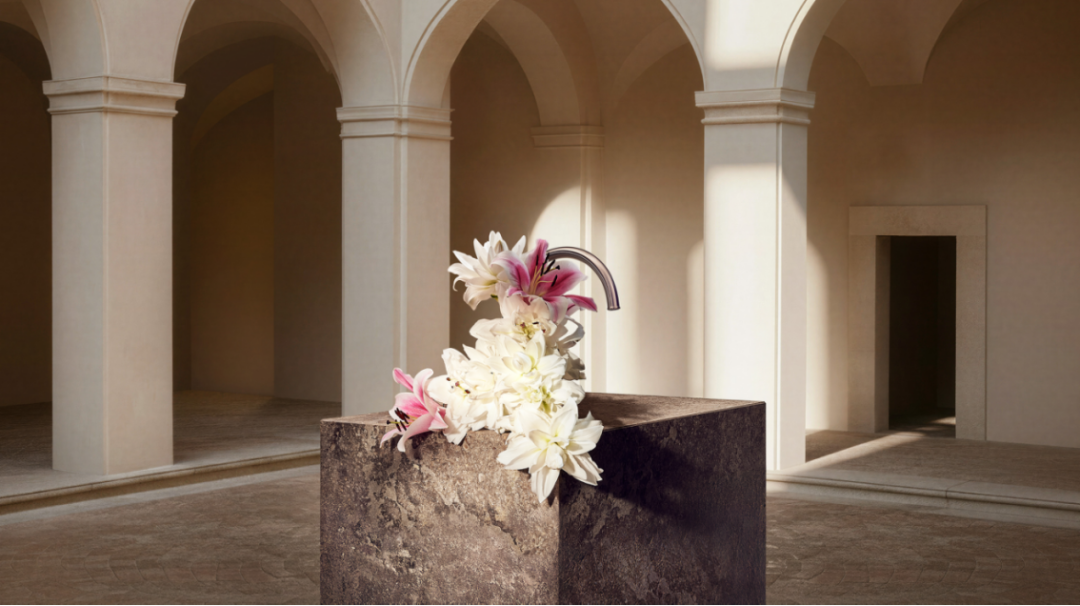
In bathrooms, black stainless faucets can introduce a quiet sense of luxury, particularly when paired with stone surfaces and soft lighting.
When Black Stainless Can Feel Dated
Although not out of style, black stainless faucets can feel dated or mismatched in certain settings:
- Bright, traditional kitchens, where warmer metals feel more appropriate
- Highly decorative interiors, where darker finishes may appear flat or heavy
- Spaces dominated by warm metals, such as brass or bronze, where black stainless lacks harmony
In 2026, the most common mistake is using black stainless simply because it was once trendy, rather than because it suits the space.
Black Stainless vs. Matte Black in 2026
One reason black stainless is sometimes questioned in 2026 is the rise of matte black faucets. Matte black offers stronger contrast, clearer visual definition, and a bolder design statement.
However, black stainless still holds advantages:
- Softer, more refined appearance
- Less visually aggressive than matte black
- Easier to blend with stainless steel elements
Rather than competing directly, the two finishes serve different design purposes. Matte black is more expressive, while black stainless is more understated.
Durability and Maintenance Considerations
From a practical standpoint, black stainless finishes in 2026 have improved significantly compared to earlier versions. Advanced coating technologies offer better resistance to fingerprints, scratches, and fading.
That said, black stainless still requires:
- Gentle cleaning methods
- Consistent care to maintain uniform color
- High-quality manufacturing to avoid wear issues
For homeowners focused on long-term performance, quality matters more than the finish itself.
B2B Perspective: Builders and Designers in 2026
For builders, developers, and designers, black stainless faucets remain a viable but targeted option. They are commonly used in mid- to high-end projects where design cohesion is carefully planned.
However, many professionals now prefer finishes with broader appeal—such as brushed nickel or stainless steel—for large-scale or resale-focused developments. Black stainless is more often reserved for projects with a clearly defined aesthetic rather than mass-market installations.
Final Verdict: Is Black Stainless Faucet Finish Out of Style in 2026?
Black stainless faucet finish is not out of style in 2026, but it is no longer a default choice. Its role has shifted from trend-driven to purpose-driven. When used thoughtfully, black stainless remains elegant, modern, and relevant.
The key to success in 2026 is intention. Black stainless works best when it complements the overall design rather than trying to lead it. Like many finishes that have matured over time, it hasn’t disappeared—it has simply found its place.
In short, black stainless isn’t fading away. It’s becoming more selective, more refined, and more design-conscious than ever.