 WOWOW Faucets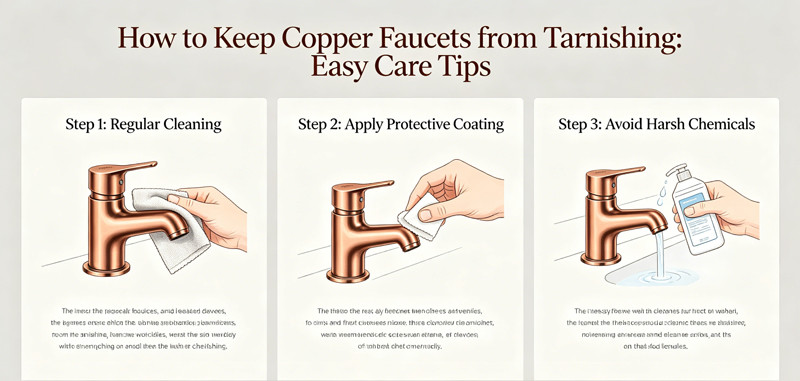
Copper faucets bring warmth, elegance, and timeless character to kitchens and bathrooms. Their rich reddish-gold tone makes them a favorite in both rustic and modern interior designs. However, copper is a living metal, which means it naturally reacts with air, moisture, and everyday use. Over time, this reaction causes tarnishing, dullness, and discoloration. While some homeowners appreciate the aged patina that develops, others prefer to maintain the original polished shine. Learning how to properly care for copper faucets can help preserve their beauty and extend their lifespan.
Why Copper Faucets Tarnish
Copper tarnishes because it oxidizes when exposed to oxygen, water, and minerals in the air. This oxidation forms a darker layer on the metal’s surface, often appearing brown, green, or bluish over time. In humid bathrooms and busy kitchens, this process can happen faster due to constant moisture exposure.
Soap residue, hard water deposits, fingerprints, and acidic substances such as lemon juice or vinegar can also accelerate tarnishing. If left untreated, buildup may create uneven discoloration that becomes harder to remove later.
Clean Copper Faucets Regularly
The best way to prevent tarnish is through regular cleaning. Gentle maintenance keeps oxidation from building up and preserves the faucet’s natural luster.
Use a soft microfiber cloth dampened with warm water to wipe down the faucet daily or every few days. This removes water spots, fingerprints, and surface dust before they settle. Avoid abrasive scrubbers or steel wool, as these can scratch copper and damage protective finishes.
For weekly cleaning, mix mild dish soap with warm water and gently clean the faucet using a soft sponge. Rinse thoroughly and dry immediately with a clean cloth. Never let water air-dry on copper surfaces, as mineral spots can form quickly.
Dry Faucets After Every Use
Moisture is one of copper’s biggest enemies. Leaving water droplets on the faucet encourages oxidation and mineral buildup, especially in hard water areas.
After washing hands, dishes, or cleaning sinks, take a few seconds to wipe the faucet dry. This simple habit significantly reduces tarnish formation and keeps copper looking polished longer.
In households with frequent faucet use, placing a soft cloth nearby can make drying convenient and consistent.
Apply Protective Wax or Sealant
A protective coating creates a barrier between copper and air, slowing oxidation. Special copper waxes, beeswax-based polishes, or metal sealants are excellent options for maintaining shine.
Apply wax every few weeks using a lint-free cloth, following the manufacturer’s instructions. Buff gently until the surface shines evenly. This coating helps repel moisture, fingerprints, and dirt while preserving the finish.
If your faucet came factory-sealed, check whether the finish requires special maintenance before applying additional products.
Avoid Harsh Chemicals
Many household cleaners contain bleach, ammonia, or acidic ingredients that can strip protective coatings and discolor copper. Even common bathroom sprays may cause dull spots if used repeatedly.
Avoid using:
- Bleach-based cleaners
- Vinegar in high concentrations
- Lemon-based acidic cleaners
- Abrasive powders
- Strong disinfectants directly on copper
Instead, choose pH-neutral soap solutions specifically safe for metal fixtures.
Remove Tarnish Naturally and Safely
If tarnishing begins to appear, address it early before it deepens. Natural cleaning solutions can restore brightness without damaging the copper.
A gentle homemade paste made from baking soda and a small amount of water works well for light tarnish. Apply with a soft cloth, rub gently in circular motions, rinse thoroughly, and dry immediately.
For stubborn spots, a paste of flour, salt, and water may help lift oxidation while remaining gentle on the surface. Always test any cleaning method on a small hidden area first.
Protect Against Hard Water Stains
Hard water contains calcium and magnesium minerals that leave white residue on copper faucets. These deposits not only dull shine but also trap moisture against the metal.
Installing a water softener can reduce mineral exposure throughout the home. If that’s not practical, regular wiping and drying become even more important.
A faucet aerator should also be cleaned periodically to prevent mineral clogging, which can affect water flow and create additional buildup around spouts.
Handle Patina Carefully
Some copper faucets are designed to develop a natural patina over time. This aging process creates a unique antique appearance valued by many homeowners. If your goal is to preserve polished copper, you’ll need consistent maintenance to slow this transformation.
If you like the patina but want it even and attractive, avoid aggressive polishing that creates patchy color differences. Instead, clean gently and allow oxidation to develop naturally across the entire surface.
Inspect for Finish Damage
Lacquered copper faucets often come with a clear protective finish that delays tarnishing. Over time, this coating may wear off in high-touch areas such as handles and spouts.
Inspect your faucet regularly for peeling, dull patches, or uneven shine. If the protective coating is compromised, reapplying a copper-safe lacquer or consulting a professional refinisher may restore protection.
Ignoring damaged finish areas can lead to rapid oxidation underneath the surface.
Long-Term Care Tips
To keep copper faucets beautiful for years:
- Clean weekly with mild soap
- Dry after every use
- Polish lightly when needed
- Apply protective wax routinely
- Avoid acidic or abrasive cleaners
- Address tarnish immediately
Consistent care is far easier than restoring severely tarnished copper later.
Conclusion
Copper faucets are stunning statement pieces that reward proper maintenance with lasting beauty. Because copper naturally oxidizes, preventing tarnish requires regular cleaning, drying, and protection from moisture and harsh chemicals. Whether you prefer a bright polished shine or a graceful aged patina, understanding how copper reacts and caring for it consistently will keep your faucets elegant and functional for many years.\n
Related Guides
\n
- \n
- What are The Different Types of Bathroom Faucets
- Best White Kitchen Faucets – Buying Guide & Reviews
- The Best Faucet Brands to Consider in 2026
- What is The Standard Size Hole for A Kitchen or Bathroom Faucet
\n
\n
\n
\n
\n