 WOWOW Faucets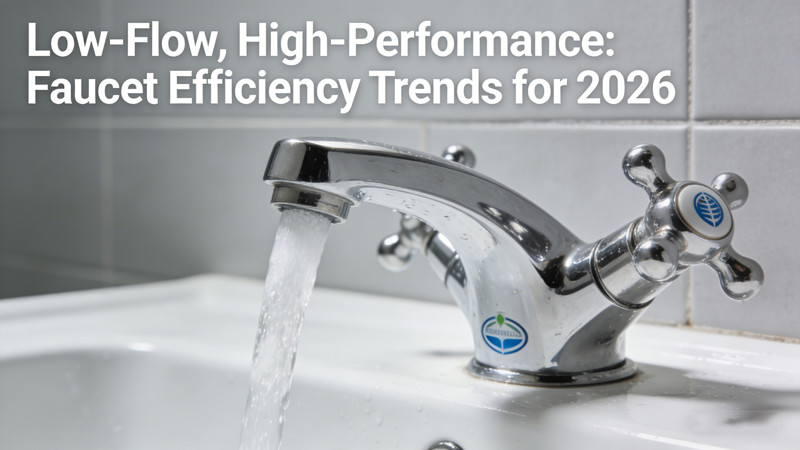
Water efficiency is no longer a niche concern or a regulatory checkbox. In 2026, it has become a defining feature of modern faucet design—one that blends environmental responsibility with performance, comfort, and aesthetics. The era of sacrificing water pressure for sustainability is officially over. Today’s faucets prove that low-flow can still mean high-performance, and the trends shaping 2026 make that clearer than ever.
The Evolution of Low-Flow Faucets
Early low-flow faucets earned a reputation for weak pressure and inconsistent water delivery. While they reduced water consumption, user experience often suffered. Over the past decade, advances in engineering, aeration technology, and internal valve design have transformed that perception.
By 2026, low-flow faucets are no longer defined by what they restrict, but by what they optimize. Instead of simply limiting gallons per minute (GPM), manufacturers now focus on how water is shaped, accelerated, and distributed, delivering a strong, satisfying flow while using significantly less water.
Smarter Flow Rates, Not Just Lower Ones
One of the most important trends in 2026 is the shift from “minimum flow” to adaptive efficiency. Rather than relying on a single static flow rate, modern faucets are designed to adjust water output based on use case.
For example, quick handwashing may require less volume but higher perceived pressure, while kitchen tasks like rinsing demand broader spray patterns with controlled flow. Through precision-engineered cartridges and multi-mode spray heads, faucets now deliver the right amount of water—exactly when and where it’s needed.
This smarter approach allows many 2026 faucets to meet or exceed efficiency standards while still feeling powerful and responsive.
Advanced Aerators Redefine Performance
Aerators have become the quiet heroes of faucet efficiency. In 2026, aerator design is more sophisticated than ever, blending air and water at precise ratios to enhance flow velocity and coverage.
Modern aerators:
- Increase perceived pressure without increasing water usage
- Reduce splashing and improve control
- Maintain consistent flow even at low GPM levels
Some high-end faucets now feature laminar-flow aerators, which produce crystal-clear streams ideal for bathroom sinks, while kitchens often use air-infused spray patterns for better cleaning efficiency. The result is a faucet that feels premium while consuming less water every second it runs.
Pressure Optimization Through Internal Engineering
Another defining trend of 2026 is what users don’t see. Internal faucet components—valves, channels, and cartridges—are now engineered with fluid dynamics in mind.
By minimizing turbulence and friction inside the faucet body, manufacturers are able to:
- Preserve pressure at lower flow rates
- Improve temperature stability
- Extend product lifespan through reduced wear
This behind-the-scenes innovation is what allows modern low-flow faucets to perform consistently across different water pressures, whether in residential homes or high-traffic commercial environments.
Touchless and Sensor-Controlled Efficiency
Touchless faucets continue to gain momentum in 2026, not only for hygiene but also for water conservation. Sensor-controlled faucets eliminate unnecessary water use by ensuring water flows only when needed—and stops instantly when it’s not.
In commercial and hospitality spaces, this technology has become a standard efficiency solution. In residential settings, especially kitchens and shared bathrooms, touchless faucets are now valued for convenience as much as sustainability.
Newer systems feature:
- Faster sensor response times
- Adjustable flow durations
- Energy-efficient power management
The result is less wasted water without compromising usability.
Compliance Meets Design Freedom
Efficiency regulations are becoming stricter worldwide, but in 2026, compliance no longer limits design creativity. Faucet brands now treat efficiency standards as a baseline, not a constraint.
Low-flow faucets are available in:
- Minimalist and sculptural designs
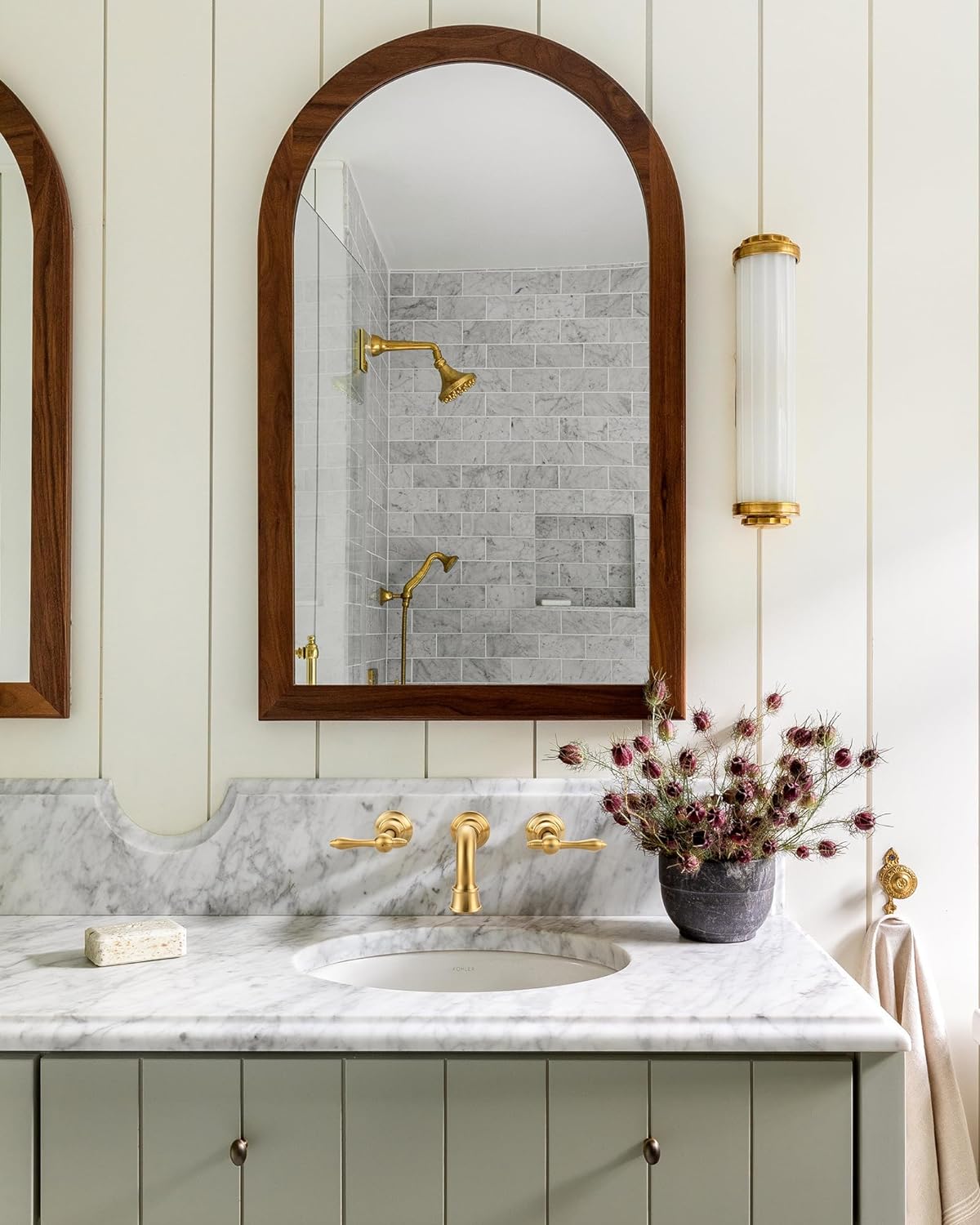
- A wide range of finishes, from matte black to brushed gold
- Both modern and classic silhouettes
This means designers and homeowners no longer have to choose between sustainability and style. Efficiency is built in—not added on.
Water Efficiency as a Luxury Feature
Perhaps the most interesting shift in 2026 is the repositioning of efficiency as a premium attribute. High-performance, water-saving faucets are increasingly associated with quality, innovation, and long-term value.
Consumers are more aware of water costs, environmental impact, and durability. A faucet that delivers excellent performance while reducing water consumption is seen as a smart investment, not a compromise.
Luxury bathrooms and kitchens now highlight efficiency alongside aesthetics, making low-flow faucets a symbol of thoughtful, modern living.
Looking Ahead: What Efficiency Means Beyond 2026
As we move beyond 2026, faucet efficiency will continue to evolve. Integration with smart home systems, real-time water usage feedback, and AI-driven flow optimization are already emerging.
What remains constant is the core idea driving today’s trends: better use of water, not less satisfaction.
Low-flow, high-performance faucets represent a mature, confident approach to sustainability—one where innovation enhances everyday experiences instead of limiting them. In 2026, efficient faucets aren’t just better for the planet. They’re better faucets, period.