 WOWOW Faucets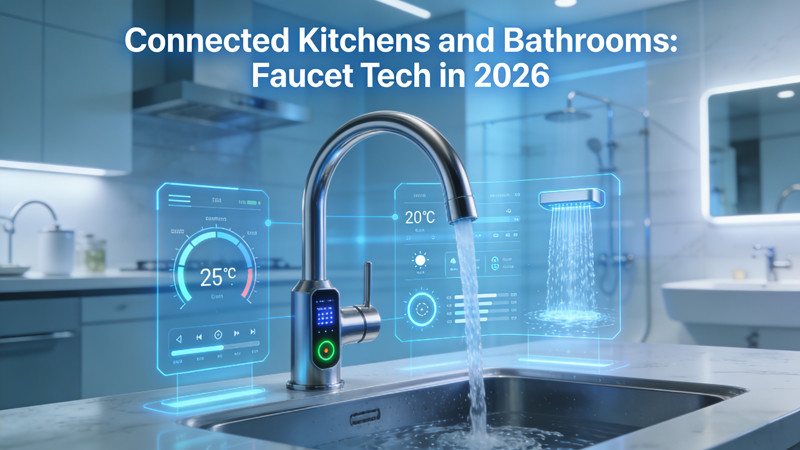
In 2026, the connected home is no longer defined by a single smart speaker or app-controlled thermostat. Instead, intelligence has moved deeper into everyday touchpoints—especially in kitchens and bathrooms. Among the most transformed fixtures is the faucet. Once a purely mechanical object, the modern faucet has evolved into a connected interface that blends technology, design, sustainability, and user experience.
The rise of connected kitchens and bathrooms reflects a broader shift in how people interact with water. Faucets in 2026 are not just about turning flow on and off; they are about control, efficiency, personalization, and awareness.
From Fixture to Interface
The defining change in faucet technology is its transition from passive hardware to active interface. Smart faucets now integrate sensors, microprocessors, and connectivity that allow them to respond to users and environments in real time.
Touchless operation, once associated mainly with commercial restrooms, has become mainstream in residential spaces. Advanced motion and proximity sensors in 2026 are faster, more accurate, and far less prone to accidental activation. This makes hands-free faucets practical not only for hygiene but also for cooking, cleaning, and multitasking in busy households.
Beyond touchless control, faucets now serve as interaction points between users and the broader smart home ecosystem. Whether activated by gesture, voice assistant, or mobile app, the faucet has become a digital gateway to water management.
Precision Water Control
One of the most meaningful advances in faucet technology is precision. In 2026, connected faucets can dispense exact amounts of water by volume or time, a feature increasingly valued in both kitchens and bathrooms.
In kitchens, this precision supports cooking and food preparation. Users can ask a faucet to dispense a specific amount of water—such as one cup or one liter—without measuring tools. This improves efficiency and reduces waste, particularly in recipe-driven or professional-style home kitchens.
In bathrooms, precision supports wellness and conservation. Faucets can be programmed to limit flow duration, regulate temperature, or gradually adjust pressure for comfort. These features are especially useful for families, aging users, or households focused on reducing water consumption without sacrificing convenience.
Smart Temperature and Safety
Temperature control has become another key pillar of faucet innovation. In 2026, thermostatic and digitally controlled faucets provide consistent water temperature almost instantly, reducing the time spent adjusting handles and minimizing wasted water.
Safety features are now deeply integrated. Anti-scald protection, temperature limits for children, and automatic shutoff functions are standard in many connected bathroom faucets. In kitchens, smart faucets can prevent sudden bursts of hot water during cleaning or cooking tasks, adding a layer of safety without requiring user intervention.
Some systems also learn user preferences over time, adjusting default temperatures based on habits and usage patterns. This personalization reinforces the idea of the faucet as a responsive, adaptive device rather than a static fixture.
Data-Driven Sustainability
Sustainability is one of the strongest drivers behind connected faucet adoption in 2026. As water scarcity and utility costs continue to shape consumer priorities, faucets now play an active role in resource management.
Connected faucets can track water usage in real time and provide feedback through companion apps or home dashboards. Users can see how much water is used daily, weekly, or monthly, often broken down by activity. This visibility encourages more mindful habits and supports long-term conservation goals.
Leak detection has also become more sophisticated. Faucets can now identify abnormal flow patterns and automatically shut off water when leaks are detected, preventing damage and waste. In multi-unit residential buildings and commercial spaces, this feature is especially valuable, reducing maintenance costs and improving operational efficiency.
Seamless Integration with the Smart Home
In connected kitchens and bathrooms, faucets do not operate in isolation. In 2026, they are increasingly integrated with lighting, appliances, ventilation, and voice-controlled systems.
For example, a morning routine might involve coordinated actions: bathroom lighting adjusts to a soft brightness, the faucet activates at a preset temperature, and water flow is limited to encourage efficiency. In kitchens, faucets may work alongside smart dishwashers or water filtration systems, creating a cohesive workflow.
Voice control has matured significantly. Rather than novelty commands, voice-activated faucets now respond reliably to natural language requests, making them practical tools rather than gimmicks. Importantly, privacy controls and local processing have improved, addressing earlier concerns about always-on connectivity.
Design That Hides the Technology
Despite the growing complexity of faucet technology, visual design in 2026 remains minimal and refined. One of the most notable trends is how effectively technology is concealed.
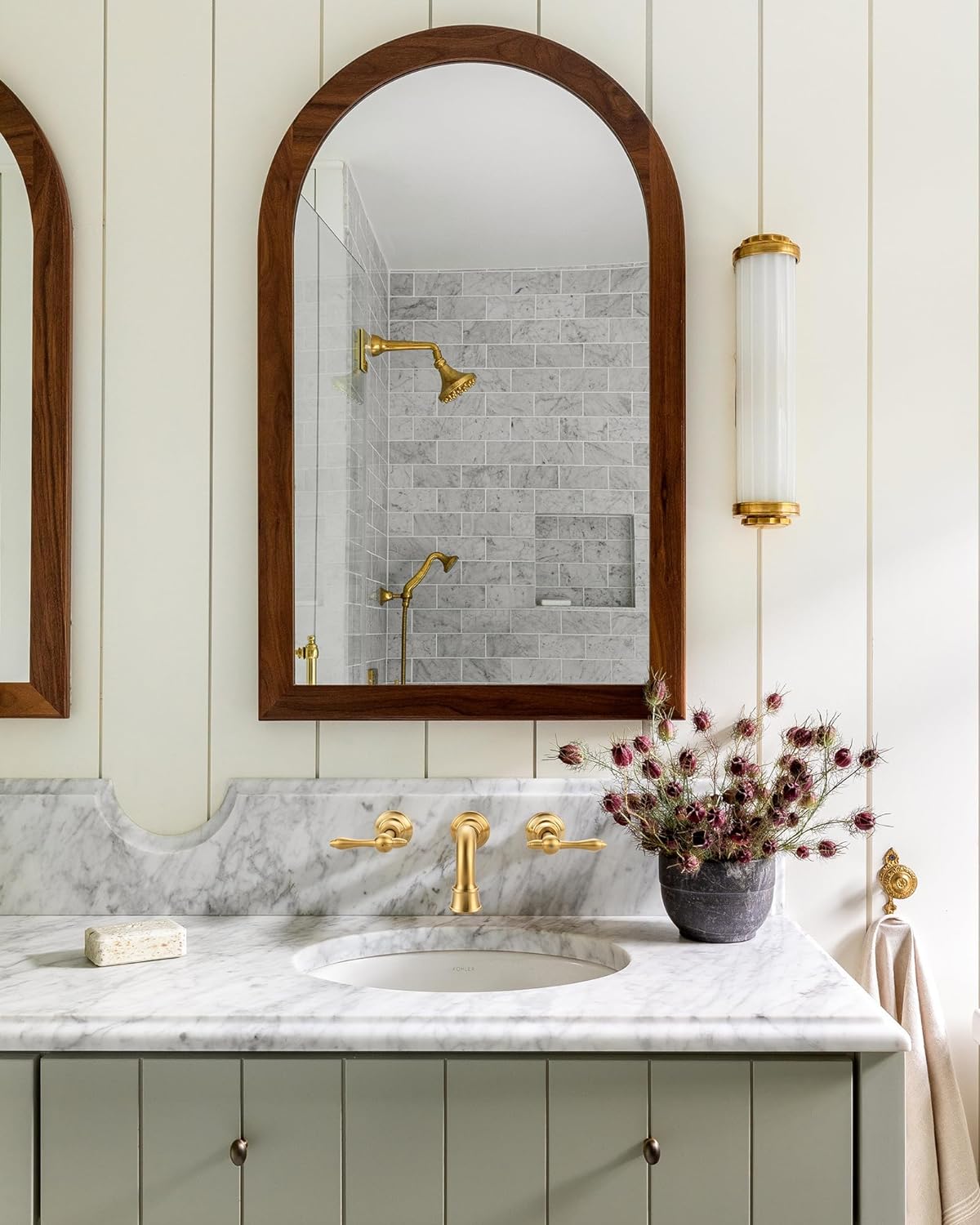
Sensors are smaller and more discreet. Controls are integrated into sleek handles, subtle touch zones, or hidden interfaces. Finishes such as matte black, brushed stainless, and warm metallic tones dominate, ensuring that connected faucets blend seamlessly into modern interiors.
This balance between advanced function and understated design reflects a broader philosophy in connected home products: technology should enhance the experience without dominating the aesthetic.
The Future of Water Interaction in 2026
Connected faucet technology in 2026 represents more than convenience. It reflects a shift in how people value everyday interactions. Water, once taken for granted, is now treated as a resource that deserves attention, precision, and respect.
As kitchens and bathrooms continue to evolve into connected environments, faucets will play an increasingly central role. They are no longer background elements but intelligent companions that respond to lifestyle needs, support sustainability, and elevate daily routines.
In the connected home of 2026, the faucet is no longer just where water comes out. It is where technology, design, and responsibility meet—quietly shaping the way we live, one interaction at a time.