 WOWOW Faucets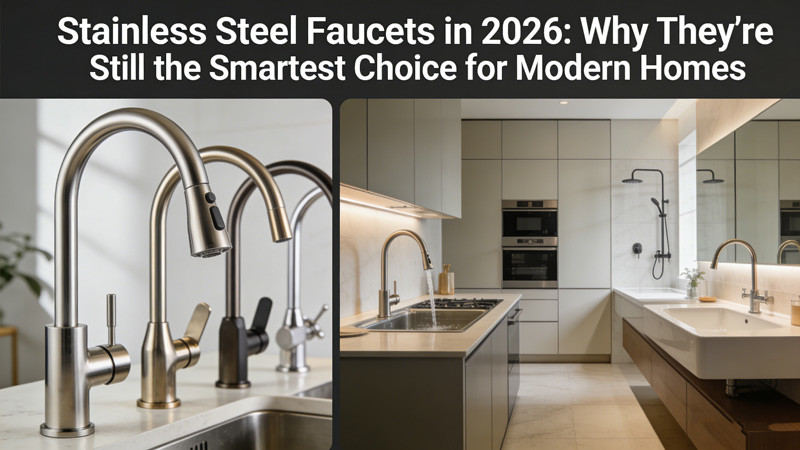
In 2026, kitchen and bathroom design continues to evolve with smart technology, bold finishes, and eco-conscious materials. Yet through all the changes, one material remains consistently popular and trusted: stainless steel. While matte black, brushed gold, and mixed-metal fixtures have their moments, stainless steel faucets continue to dominate for one simple reason — they balance style, durability, and practicality better than almost any alternative.
So what makes stainless steel faucets especially relevant in 2026? Let’s take a deeper look.
1. A Timeless Look That Adapts to Any Style
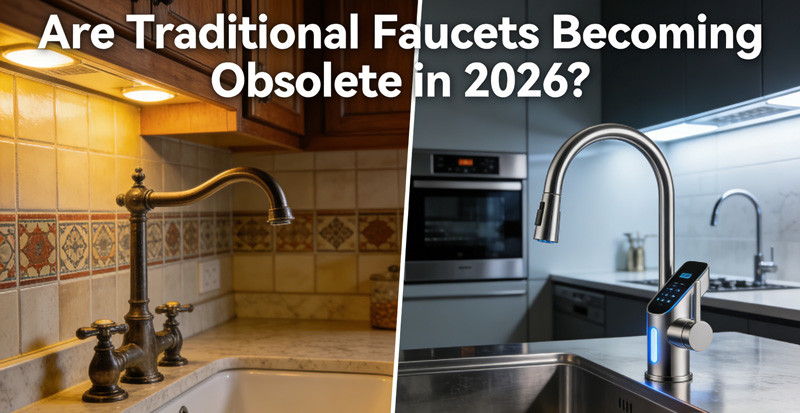
Trends shift quickly. One year it’s industrial minimalism, the next it’s warm modern or organic contemporary. Stainless steel faucets have endured because they don’t tie themselves to a single aesthetic.
In 2026, homeowners are blending:
- Warm wood cabinetry
- Natural stone countertops
- Neutral color palettes
- Mixed textures and metals
Stainless steel fits seamlessly into all of these environments. It works in:
- Modern kitchens
- Farmhouse-inspired spaces
- Contemporary apartments
- Commercial-style kitchens
- Minimalist bathrooms
Unlike bold finishes that may feel dated after a few years, stainless steel offers a neutral, versatile appearance that ages gracefully.
2. Durability That Matches 2026 Expectations
Homeowners in 2026 expect more from their fixtures. Faucets aren’t just decorative — they’re high-use, high-performance tools. Stainless steel stands out because of its strength and resistance.
Key durability advantages include:
- Corrosion resistance
- Rust resistance
- High tolerance to temperature changes
- Resistance to chipping and peeling
Unlike plated finishes that can wear down over time, solid stainless steel faucets maintain their integrity for years. This is especially important in busy households where faucets are used dozens of times daily.
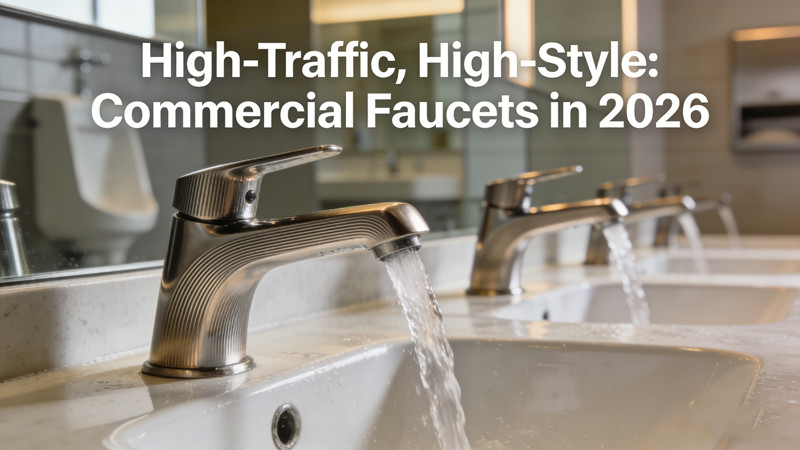
For families, rental properties, and high-traffic kitchens, stainless steel remains one of the most reliable choices.
3. Health and Hygiene Advantages
In 2026, hygiene is still a major priority in kitchen and bathroom design. Stainless steel naturally supports cleaner living environments.
Many high-quality stainless steel faucets are made from:
- 304 stainless steel
- Lead-free materials
- Food-grade components
Stainless steel is non-porous, which means bacteria and mold are less likely to penetrate the surface. It’s also easy to clean without harsh chemicals. A simple wipe with a microfiber cloth often restores its shine.
As smart faucets and touchless technology grow in popularity, stainless steel models are frequently paired with motion sensors and antimicrobial coatings, creating a highly hygienic combination.
4. Perfect Pairing with Smart Faucet Technology
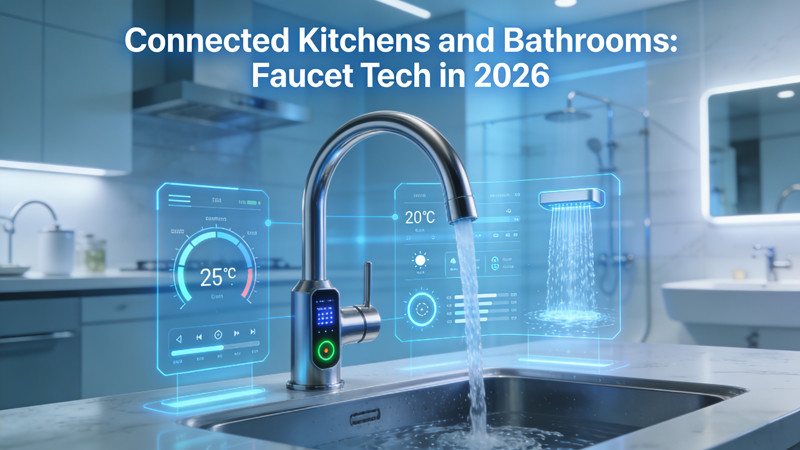
Smart faucets are no longer a luxury trend in 2026 — they’re becoming mainstream. Features such as:
- Touchless activation
- Voice control
- Precise temperature presets
- Water usage monitoring
are increasingly integrated into modern kitchens.
Stainless steel complements this technological evolution because it reinforces the sleek, professional look associated with smart homes. Unlike ornate finishes, stainless steel enhances the clean, high-tech aesthetic many homeowners prefer.
Additionally, stainless steel’s durability makes it ideal for housing electronic components without compromising long-term performance.
5. Water Efficiency and Sustainability
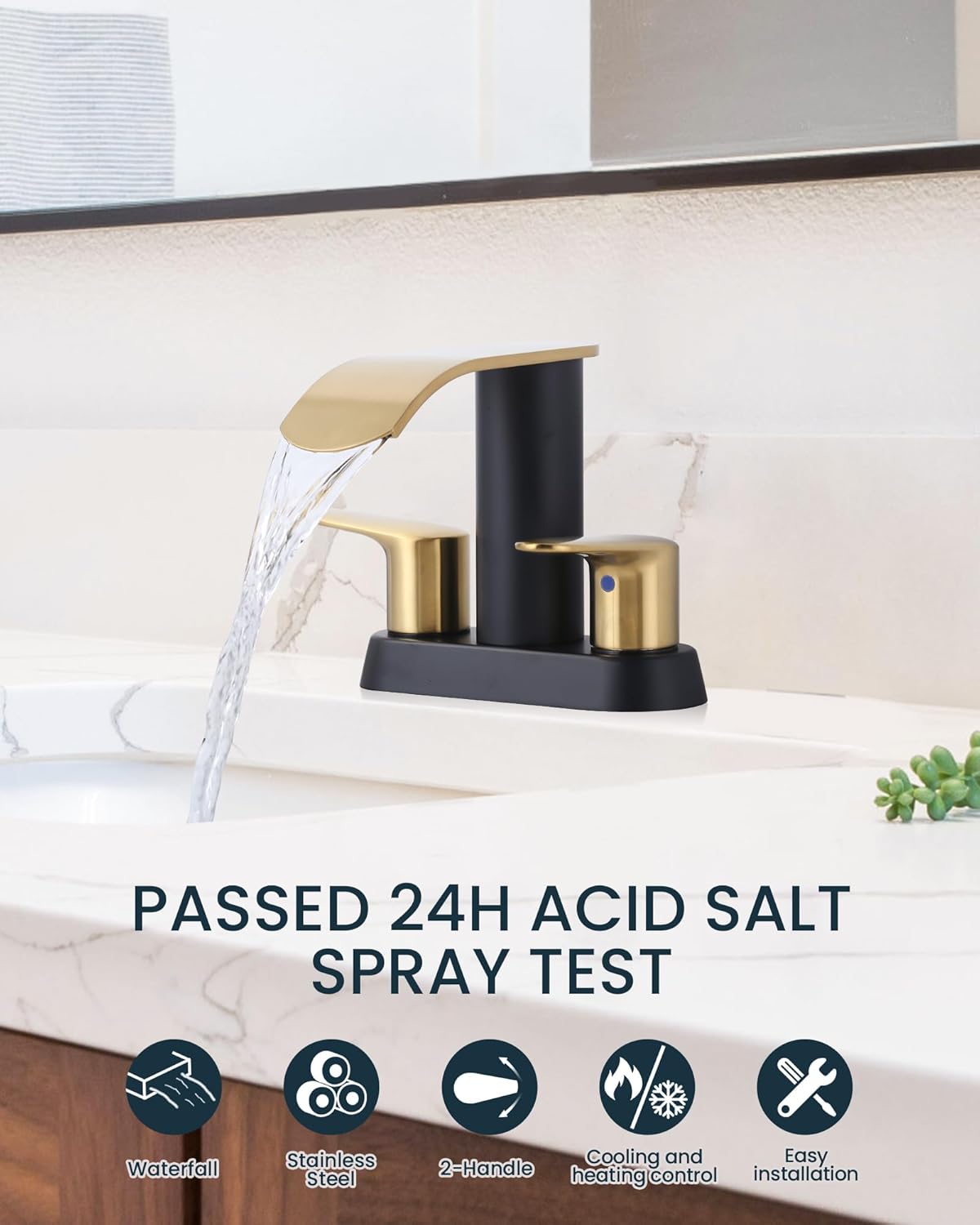
Sustainability remains a driving force in 2026 home upgrades. Stainless steel faucets align well with eco-conscious goals.
Many models now include:
- Low-flow aerators
- Water-saving spray modes
- Efficient cartridge systems
- Flow restrictors meeting updated regulations
Stainless steel itself is also recyclable and long-lasting, reducing replacement frequency and material waste. Choosing a faucet that lasts 10–20 years significantly reduces environmental impact compared to cheaper alternatives that require frequent replacement.
6. Low Maintenance in Real-World Use
In daily life, practicality matters more than showroom appeal. Stainless steel faucets are known for being relatively low maintenance.
Compared to glossy chrome:
- They show fewer fingerprints.
- They hide water spots better.
- They require less constant polishing.
Compared to matte black:
- They don’t chip as easily.
- They don’t reveal scratches as dramatically.
In hard water areas, brushed stainless finishes perform especially well, disguising mineral buildup more effectively than polished surfaces.
For homeowners who want a fixture that looks clean without constant effort, stainless steel remains one of the easiest finishes to live with.
7. 2026 Design Variations in Stainless Steel Faucets
Stainless steel faucets in 2026 are far from basic. Manufacturers are introducing refined shapes and enhanced features, such as:
- Slimmer high-arc spouts
- Commercial-style spring coils
- Integrated pull-down sprayers
- Two-function and three-function spray heads
- Magnetic docking systems
Finishes are also evolving. Instead of standard shiny steel, many brands offer:
- Brushed stainless
- Satin stainless
- Fingerprint-resistant coatings
- Soft matte steel tones
These subtle variations give homeowners more design flexibility without sacrificing the core benefits of stainless steel.
8. Cost vs. Long-Term Value
While stainless steel faucets may cost slightly more than entry-level zinc or plastic models, they often deliver better long-term value.
Why?
- Fewer repairs
- Longer lifespan
- Better corrosion resistance
- Stronger internal components
In 2026, consumers are increasingly focused on value rather than just upfront price. A faucet that performs reliably for a decade or more justifies a moderate investment.
9. Are There Any Downsides?
No material is perfect. Stainless steel faucets can:
- Show water spots if not wiped occasionally
- Cost more than basic chrome-plated options
- Lack the dramatic visual impact of gold or black finishes
However, for many homeowners, these are minor trade-offs compared to the overall durability and practicality stainless steel offers.
Final Thoughts: Are Stainless Steel Faucets Still Worth It in 2026?
Absolutely.
While trends continue to experiment with color, texture, and technology, stainless steel remains one of the most balanced faucet materials available. It delivers:
- Timeless design
- Proven durability
- Hygienic performance
- Smart technology compatibility
- Eco-conscious value
In a market full of fast-changing styles, stainless steel faucets offer something increasingly rare in 2026: reliability that never goes out of fashion.
If you’re upgrading your kitchen or bathroom this year and want a faucet that blends modern aesthetics with long-term performance, stainless steel is still one of the smartest investments you can make.