 WOWOW Faucets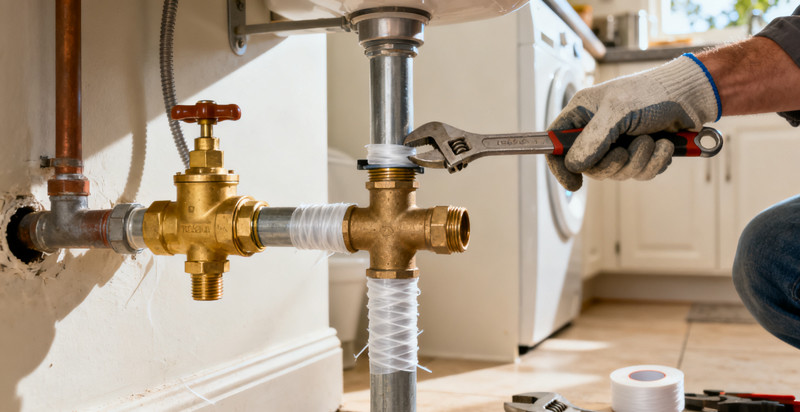
Converting an indoor faucet into an outdoor water line is a practical upgrade for homeowners who need easier access to water outside for gardening, car washing, irrigation, pressure washing, or filling pools. While most homes already include at least one outdoor spigot, many older houses—or remodeled layouts—lack convenient exterior access. Instead of installing a new plumbing line from scratch, you can often reroute or extend an existing indoor faucet line to create a fully functional outdoor faucet.
This guide explains the step-by-step process, tools required, safety considerations, and important installation tips to ensure your new outdoor faucet is reliable, durable, and protected year-round.
Why Convert an Indoor Faucet to an Outdoor Line?
Homeowners choose this project for multiple reasons:
1. Saves Installation Costs
Running a brand-new water line from the basement or main plumbing system can be expensive. Extending an existing indoor faucet is often simpler and more affordable.
2. Convenient Water Access
If your indoor faucet—often near a kitchen, laundry room, or utility sink—is close to an exterior wall, it becomes the perfect starting point for an outdoor spigot installation.
3. Great for Older Homes
Many older houses were built with minimal outdoor plumbing. Converting an indoor line is an effective way to modernize the outdoor setup.
4. Flexibility
You can choose where the outdoor faucet will appear and direct it to your preferred garden or driveway area.
Tools and Materials You’ll Need
To complete this project safely and effectively, gather the following tools and parts:
- Adjustable wrench
- Pipe cutter or tubing cutter
- Drill with masonry or wood bits
- Teflon tape or pipe thread sealant
- Copper, PEX, or PVC piping (depending on your existing plumbing)
- Hose bib or frost-proof sillcock
- Pipe fasteners or straps
- Shut-off valve (recommended)
- Caulk or expanding foam (for sealing wall penetration)
Choosing quality components—especially the hose bib—is crucial for durability. A frost-proof sillcock is ideal in cold climates to prevent freeze damage.
Step-by-Step Guide to Converting an Indoor Faucet to an Outdoor Faucet Line
Step 1: Identify the Water Source
Locate the indoor faucet whose water supply line you want to tap into. Common starting points include:
- Laundry room faucets
- Utility sink faucets
- Kitchen sink cold-water line
Choose a line that is accessible and as close as possible to the exterior wall where you want the outdoor faucet installed.
Step 2: Turn Off the Water Supply
Before you begin any cutting or disassembly, turn off:
- The main water supply or
- The specific line feeding the indoor faucet
After shutting off the supply, turn on the faucet to drain remaining water.
Step 3: Drill an Opening Through the Exterior Wall
Measure and mark where the outdoor faucet will be located. Ensure the area:
- Has enough support for the new faucet
- Avoids electrical wiring or studs
- Is at a comfortable height (typically 12–24 inches above ground level)
Drill a hole slightly larger than the diameter of your pipe. Use a wood bit for siding or a masonry bit for brick/concrete walls.
Step 4: Install a T-Fitting on the Indoor Supply Line
Cut the cold-water supply line feeding the indoor faucet. Attach a T-fitting to create a branch pipe that will run outdoors.
Depending on pipe type:
- Copper: Solder the fitting
- PEX: Use push-to-connect or crimp fittings
- PVC: Use solvent cement
Make sure the connection is leak-free before proceeding.
Step 5: Run Piping Through the Wall

Feed your new pipe through the drilled opening. Use pipe straps to secure it along the way. Ensure that:
- The pipe slopes slightly downward toward the outside
- The line is protected with insulation if running through cold spaces
- The exterior portion is supported and stable
In cold regions, using a frost-proof sillcock prevents the exposed section from freezing.
Step 6: Install the Outdoor Faucet
Attach the hose bib or sillcock to the exterior wall. Most sillcocks come with mounting holes, making it easy to screw them into siding or brick anchors.
Apply Teflon tape to the threaded end, then connect it to the exterior portion of your supply pipe.
Make sure the faucet:
- Opens and closes smoothly
- Sits firmly against the wall
- Points downward for proper drainage
Step 7: Add a Shut-Off Valve (Highly Recommended)
Installing a dedicated shut-off valve on the new branch inside your home is essential for:
- Winterizing the line
- Isolating the outdoor faucet for maintenance
- Preventing backflow issues
Position the shut-off valve before the pipe exits the wall.
Step 8: Seal the Wall Opening
After installing the pipe, seal the exterior opening around the pipe with:
- Silicone caulk
- Waterproof expanding foam
This prevents moisture intrusion, insects, and energy loss.
Step 9: Restore Water Supply and Test
Turn the water back on and check:
- The T-fitting for leaks
- The shut-off valve function
- The outdoor faucet performance
- Water flow consistency
Run the faucet for several minutes to ensure everything is stable.
Important Safety and Performance Considerations
1. Freeze Protection
If your home is in a region with freezing temperatures:
- Use a frost-proof faucet
- Install a shut-off valve
- Drain the line before winter
- Insulate interior piping
2. Backflow Prevention
Some municipalities require a vacuum breaker on outdoor spigots to prevent contaminated water from flowing back into the home’s plumbing. Many modern hose bibs include one pre-installed.
3. Choose Compatible Materials
Mixing different pipe materials incorrectly can lead to premature corrosion. Always use proper fittings like dielectric unions when necessary.
4. Ensure Proper Slope
A downward slope from inside to outside helps the pipe drain naturally, preventing internal freeze issues.
When to Call a Professional
While many homeowners can handle this project, you should hire a plumber if:
- You are unfamiliar with soldering or pipe cutting
- Your indoor plumbing is in tight or inaccessible spaces
- The line must pass through masonry or load-bearing structures
- Local codes require licensed installation
For homes in colder climates, professional installation is especially beneficial to avoid freeze-related damage.
Conclusion
Converting an indoor faucet to an outdoor line is an effective way to improve exterior water access, upgrade home convenience, and increase functionality for gardening, washing, and maintenance tasks. With the right tools, quality materials, and proper installation techniques, you can achieve a long-lasting, leak-free outdoor faucet that performs reliably in any season.