 WOWOW Faucets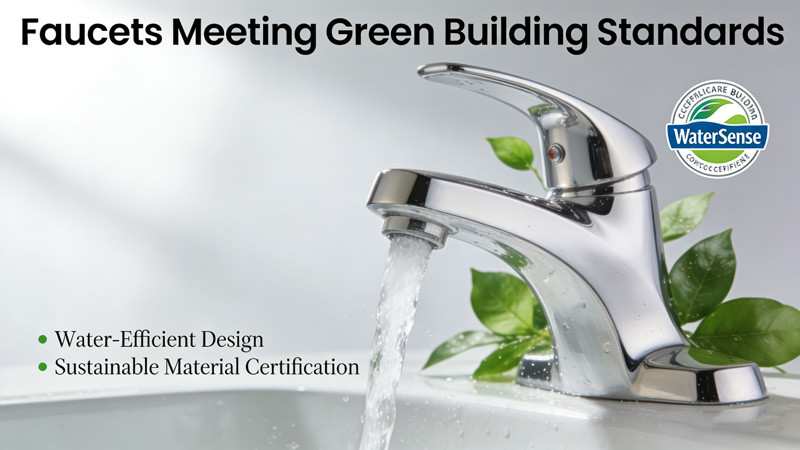
Sustainable building practices have become a major focus in modern construction and home renovation. As homeowners, architects, and builders aim to reduce environmental impact, every component of a building is evaluated for efficiency and sustainability—including faucets. Faucets that meet green building standards are designed to conserve water, reduce energy consumption, and support environmentally responsible construction. Choosing the right faucet can help lower utility bills while contributing to a healthier planet.
What Are Green Building Standards?
Green building standards are guidelines created to improve the environmental performance of buildings. These standards focus on reducing resource consumption, improving energy efficiency, and promoting sustainable materials. Many certification programs encourage the use of water-saving fixtures, including eco-friendly faucets.
One widely recognized certification program is U.S. Green Building Council, which developed the LEED rating system. LEED encourages water-efficient plumbing fixtures to help buildings achieve sustainability goals.
Another important program is U.S. Environmental Protection Agency’s WaterSense, which identifies products that use at least 20% less water than standard fixtures without sacrificing performance.
Faucets that meet these types of standards help buildings earn sustainability certifications and reduce long-term operating costs.
Key Features of Green-Certified Faucets
Faucets designed for green buildings typically include several features that promote water efficiency and environmental responsibility.
Low Flow Rates
Traditional faucets may use around 2.2 gallons per minute (GPM), but green-certified faucets are designed to use significantly less water. Many eco-friendly faucets operate at flow rates of 1.5 GPM or even lower. Some bathroom faucets reduce water flow to as little as 1.2 GPM while still providing adequate pressure for everyday tasks.
Lower flow rates can dramatically reduce water consumption in both residential and commercial settings.
Water-Saving Aerators
Aerators mix air with water to create a steady stream while using less water. By incorporating advanced aerators, eco-friendly faucets maintain strong water pressure while limiting overall water usage. This simple technology plays a major role in helping faucets meet sustainability standards.
Smart Sensor Technology
Touchless or motion-sensor faucets automatically shut off when they are not in use. This prevents water waste caused by faucets accidentally being left running. In commercial buildings, sensor faucets can reduce water consumption significantly compared to manual faucets.
These features are commonly used in public buildings, offices, and environmentally conscious homes.
Durable Materials
Green building standards often emphasize durability and longevity. Faucets made from high-quality materials such as brass or stainless steel tend to last longer, reducing the need for replacement and minimizing waste. Long-lasting fixtures support sustainability by lowering the environmental impact associated with manufacturing and disposal.
Benefits of Eco-Friendly Faucets
Installing faucets that meet green building standards offers multiple benefits for homeowners, businesses, and the environment.
Reduced Water Consumption
One of the biggest advantages is water conservation. Faucets that meet eco standards can significantly lower water usage in kitchens and bathrooms. Over time, this helps protect natural water resources while reducing household or commercial water bills.
Lower Energy Costs
Water heating accounts for a large portion of household energy use. When less water flows through a faucet, less hot water is needed. This reduces energy consumption from water heaters and lowers overall utility costs.
Improved Sustainability Ratings
For new construction projects, installing certified faucets can contribute points toward green building certifications. Achieving sustainability ratings can increase property value and attract environmentally conscious buyers or tenants.
Long-Term Cost Savings
Although some eco-friendly faucets may cost slightly more upfront, they often pay for themselves through lower water and energy bills. In commercial buildings with high water usage, the savings can be substantial over time.
Types of Faucets That Meet Green Standards
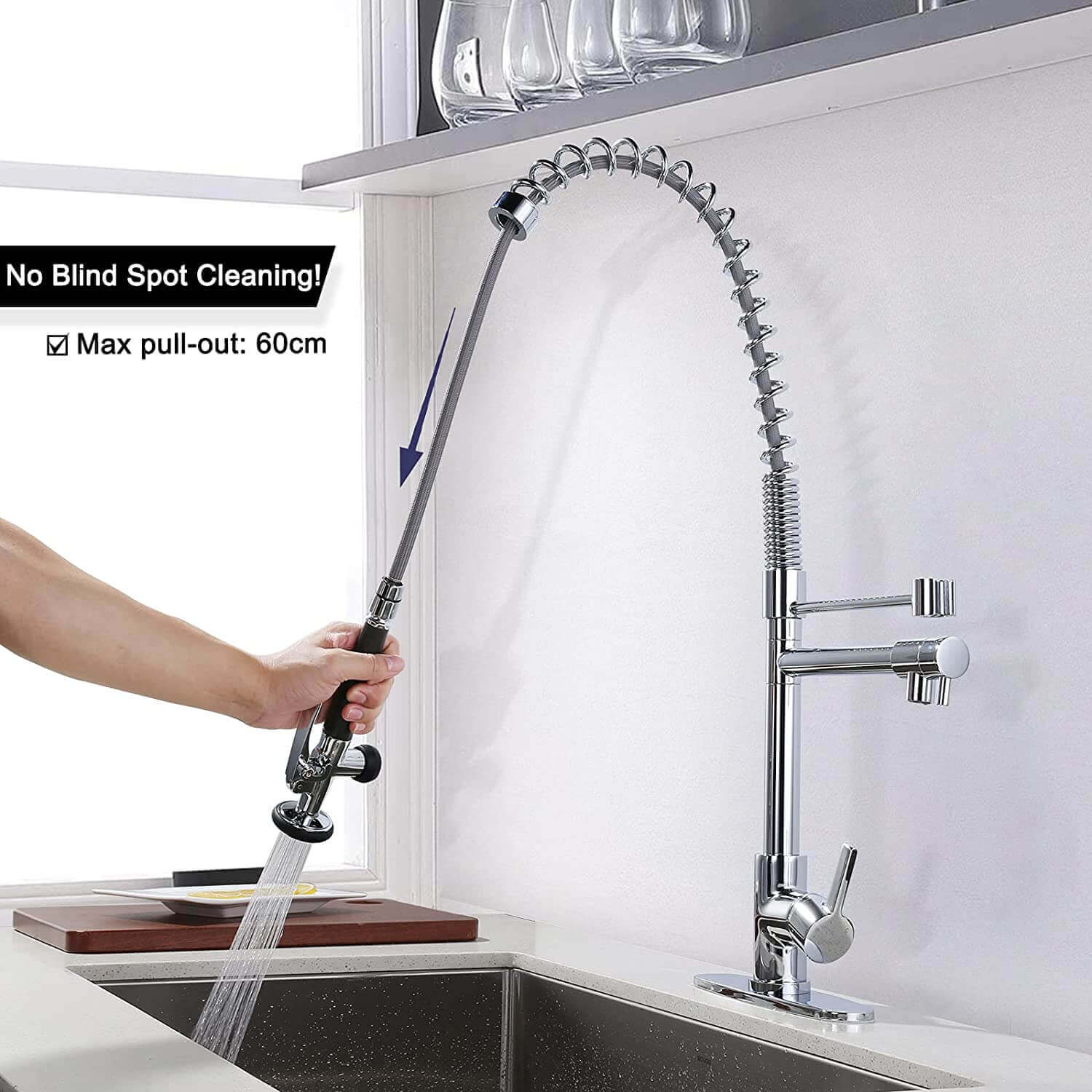
Several types of faucets are commonly designed to meet green building requirements.
Low-Flow Bathroom Faucets
These faucets are designed specifically to reduce water usage in sinks used for handwashing and daily hygiene. They often feature aerators that maintain a comfortable water stream while conserving water.
Touchless Kitchen Faucets
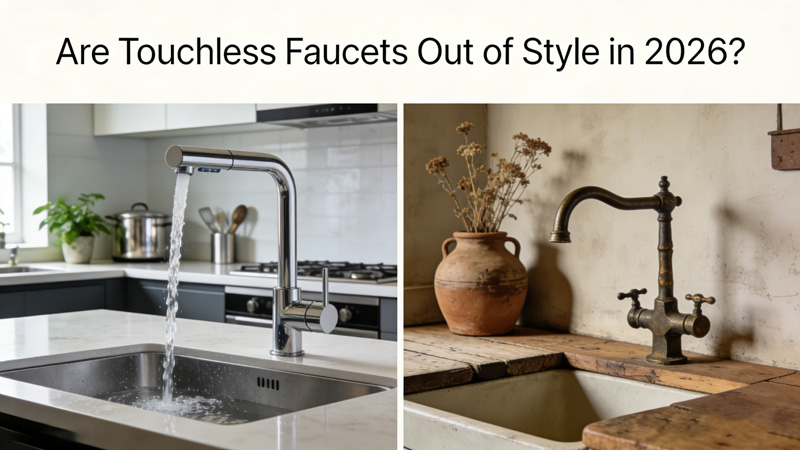
Touchless faucets use motion sensors to control water flow. This prevents unnecessary water use and improves hygiene by reducing contact with faucet handles.
Commercial Sensor Faucets
Many office buildings, schools, and public restrooms install sensor-activated faucets to meet sustainability guidelines. These faucets help reduce water waste in high-traffic areas.
Faucets with Flow Restrictors
Some eco-friendly faucets include built-in flow restrictors that limit water output while maintaining strong pressure. These designs ensure efficient water use without sacrificing performance.
How to Choose a Green-Certified Faucet
When selecting a faucet that meets green building standards, it’s important to consider several factors.
First, check for certifications such as WaterSense. These labels indicate that the faucet meets strict water-efficiency requirements. Certified faucets have been tested to ensure they maintain performance while reducing water usage.
Second, consider the faucet’s flow rate. Lower flow rates generally mean greater water savings, but the faucet should still provide enough pressure for comfortable use.
Third, evaluate durability and material quality. A well-built faucet will last longer and require fewer replacements, making it a more sustainable choice.
Finally, consider additional features such as touchless technology or temperature control, which can further improve water efficiency.
The Future of Sustainable Faucets
As sustainability becomes a priority in construction and design, faucet technology continues to evolve. Manufacturers are developing advanced features such as digital flow monitoring, automatic temperature control, and smart home integration. These innovations help reduce water waste and improve efficiency even further.
Future faucet designs may also incorporate recycled materials and improved manufacturing processes to minimize environmental impact.
Conclusion
Faucets that meet green building standards play an important role in creating sustainable homes and commercial spaces. By reducing water consumption, lowering energy usage, and supporting environmental certifications, these faucets contribute to more efficient and responsible buildings.
For homeowners planning renovations or builders working on new projects, choosing eco-friendly faucets is a practical step toward sustainability. With modern technology and stylish designs available, it is easier than ever to combine environmental responsibility with everyday convenience.




您好!Please sign in