 WOWOW Faucets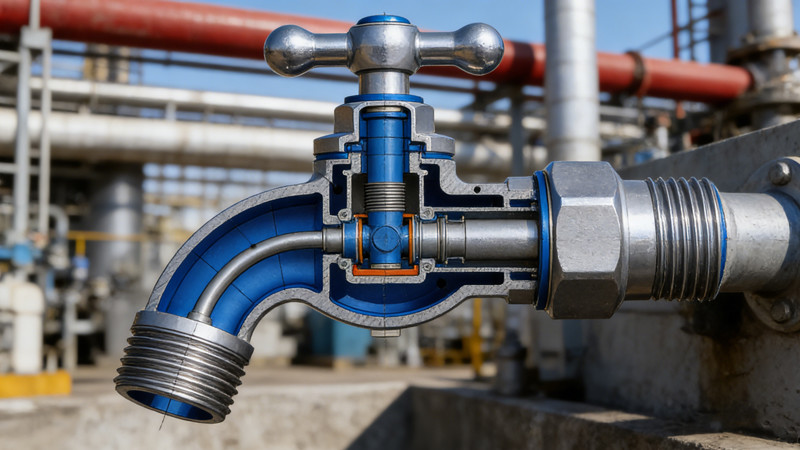
In industrial environments—such as factories, food processing plants, laboratories, warehouses, and manufacturing facilities—water systems must be designed to handle more than basic usage. They manage chemicals, high-pressure equipment, large volumes of water, and sometimes hazardous fluids. With so many variables at play, backflow protection becomes not just a regulatory requirement but a critical safety measure. Without proper safeguards in place, contaminated water can flow backward into clean water lines, risking employee safety, product integrity, and overall facility compliance.
Backflow protection for industrial faucets isn’t optional—it’s foundational. This article explains why industrial faucets need backflow prevention, how backflow occurs, the risks of ignoring it, and the practical solutions every facility should implement.
What Is Backflow and How Does It Happen?
Backflow refers to the unwanted reversal of water direction in a plumbing system. Instead of flowing forward toward drains and fixtures, water moves backward into supply lines. This reversal can draw contaminants such as chemicals, dirty water, oil, debris, or bacteria into otherwise clean, potable water.
There are two primary causes of backflow:
1. Backpressure
Backpressure occurs when the pressure in the system downstream of the faucet becomes higher than the supply pressure. This pressure imbalance can force contaminated water back into the clean water line. Industrial settings, which often use boilers, pumps, pressure washers, or elevated tanks, are especially vulnerable to backpressure events.
2. Backsiphonage
Backsiphonage happens when negative pressure (a vacuum effect) pulls dirty water back into the plumbing system. This can occur during sudden water demand, line breaks, or fire hydrant usage near the facility. Industries that use hoses, tanks, or chemical wash stations often experience backsiphonage risks.
In either case, the result is the same: contaminants infiltrate water supplies, creating a serious hazard.
Why Backflow Protection Is Essential in Industrial Settings
1. Prevents Contamination of Potable Water
Many industrial sites share water lines between different areas—some for production, some for sanitation, and some for consumption. If backflow occurs at a single faucet connected to a chemical wash station or machinery line, contaminants can spread through the entire network.
Industrial contaminants may include:
- Chemical solvents
- Oils and lubricants
- Cleaning agents
- Particulates and production debris
- Organic waste
- Heavy metals
Exposure to even small amounts can render a water system unsafe. Backflow prevention devices ensure that potable water remains isolated and uncontaminated.
2. Protects Public Health and Employee Safety
Unsafe water can lead to:
- Skin irritation
- Chemical burns
- Respiratory issues from vaporized contaminants
- Gastrointestinal illnesses
If contaminated water reaches employee restrooms, break-room sinks, or eyewash stations, the health risks multiply.
In some industries—like food processing, healthcare, or pharmaceuticals—water contamination can directly jeopardize public health through contaminated products. Backflow protection is a frontline defense.
3. Ensures Continued Compliance with Regulations
Industrial facilities operate under strict regulatory standards, including:
- OSHA requirements
- Local plumbing codes
- Environmental safety laws
- FDA or USDA guidelines
- Backflow testing requirements from municipal water authorities
Many jurisdictions mandate:
- Annual backflow inspections
- Installation of approved backflow preventers on industrial faucets
- Shutdown penalties for non-compliance
Failing to maintain proper backflow safeguards may result in fines, violations, or even facility closure.
4. Protects Equipment and Reduces Downtime
Contaminated water can cause corrosion, clogging, scaling, or equipment damage. When contaminants infiltrate machinery cooling lines, boilers, pressure systems, or filtration units, repairs can be expensive and disruptive.
Backflow preventers reduce:
- Equipment failures
- Maintenance frequency
- Downtime and production delays
By maintaining clean water flow in industrial systems, facilities protect their essential equipment and avoid costly interruptions.
5. Eliminates Cross-Connection Hazards
A cross-connection occurs whenever a faucet or hose is linked to a system containing chemicals, wastewater, or industrial fluids. In many industrial spaces, faucets are connected to:
- Hose bibbs used for washing machinery
- Tanks filled with chemical mixtures
- Pressure washers
- Floor cleaning systems
- Cooling lines or blending stations
Without a check valve or vacuum breaker, these cross-connections become pathways for contaminants to enter the water supply. Industrial faucets need backflow protection because the risk of cross-connections is extremely high.
Common Backflow Protection Devices for Industrial Faucets
Different types of devices safeguard industrial faucets, depending on the application and hazard level.
1. Vacuum Breakers
Installed on hose bibbs and wall-mount faucets, vacuum breakers prevent backsiphonage by allowing air to enter the system if negative pressure occurs.
2. Double Check Valve Assemblies (DCVAs)
Used for moderate risk environments, these valves prevent both backpressure and backsiphonage.
3. Reduced Pressure Zone (RPZ) Assemblies
Required for high-hazard applications involving chemicals or unknown contaminants. RPZ devices offer the highest level of protection.
4. Air Gaps
A simple but highly effective method—water flows through an open, vertical space before entering a tank or basin. This ensures contaminated water cannot travel upstream.
5. Built-In Faucet Backflow Preventers
Many industrial faucets come with integrated antisiphon or check-valve mechanisms, especially those used with hoses or sprayers.
Signs Your Facility Needs Better Backflow Protection
Watch for these common indicators:
-
- Water tasting or smelling unusual
- Colored water from certain faucets
- Sudden pressure drops
- Air bubbles or sputtering in the water
- Water discoloration after equipment cleaning
- Municipal water authority warnings
Any of these signs suggest potential cross-contamination or failing backflow equipment.
Best Practices to Prevent Backflow in Industrial Facilities
To keep your water system safe, implement these practices:
- Install approved backflow preventers on all industrial faucets
- Test backflow devices annually or as required
- Train staff on proper hose handling and use
- Avoid submerging hoses in tanks or chemicals
- Repair or replace damaged faucets promptly
- Work with certified plumbing professionals for inspections
Proactive prevention keeps your facility safe, compliant, and efficient.
Final Thoughts
Backflow protection is essential for industrial faucets because it keeps water systems clean, protects employee health, safeguards equipment, and ensures regulatory compliance. In environments where water touches chemicals, machinery, or hazardous materials, even a single backflow incident can create severe consequences.
With the right backflow prevention measures in place, industrial facilities can operate confidently—knowing their water supply is protected from contamination and their systems remain safe and reliable.\n
Related Guides
\n
- \n
- What are The Different Types of Bathroom Faucets
- Best White Kitchen Faucets – Buying Guide & Reviews
- The Best Faucet Brands to Consider in 2026
- What is The Standard Size Hole for A Kitchen or Bathroom Faucet
\n
\n
\n
\n
\n